The First Possession Collection
The previous progressive movement leads to 1990, where Piaget introduced the first Possession collection. It marked a turning point for the house, reinventing the relationship between gold, design, and circular motion.
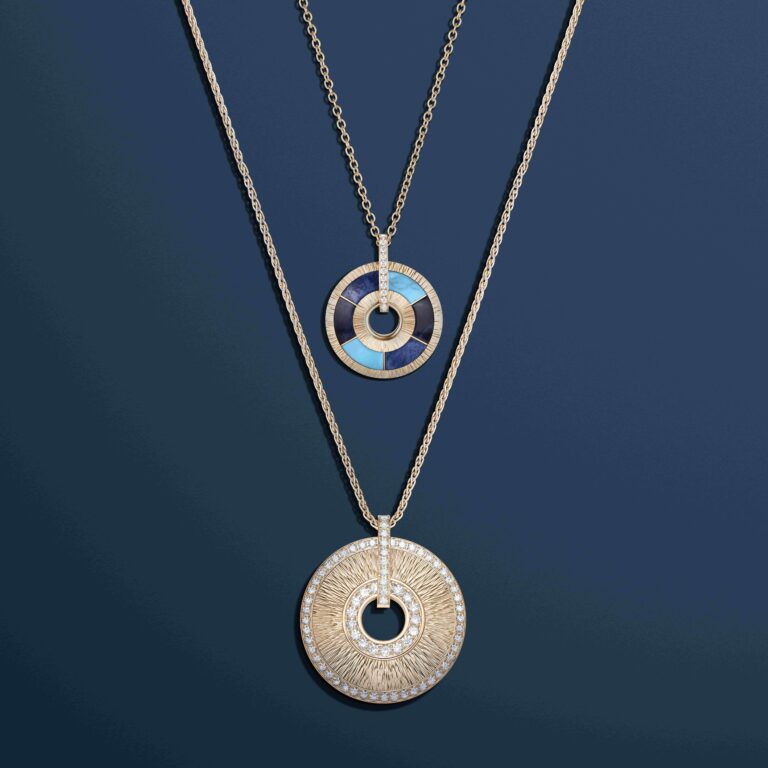
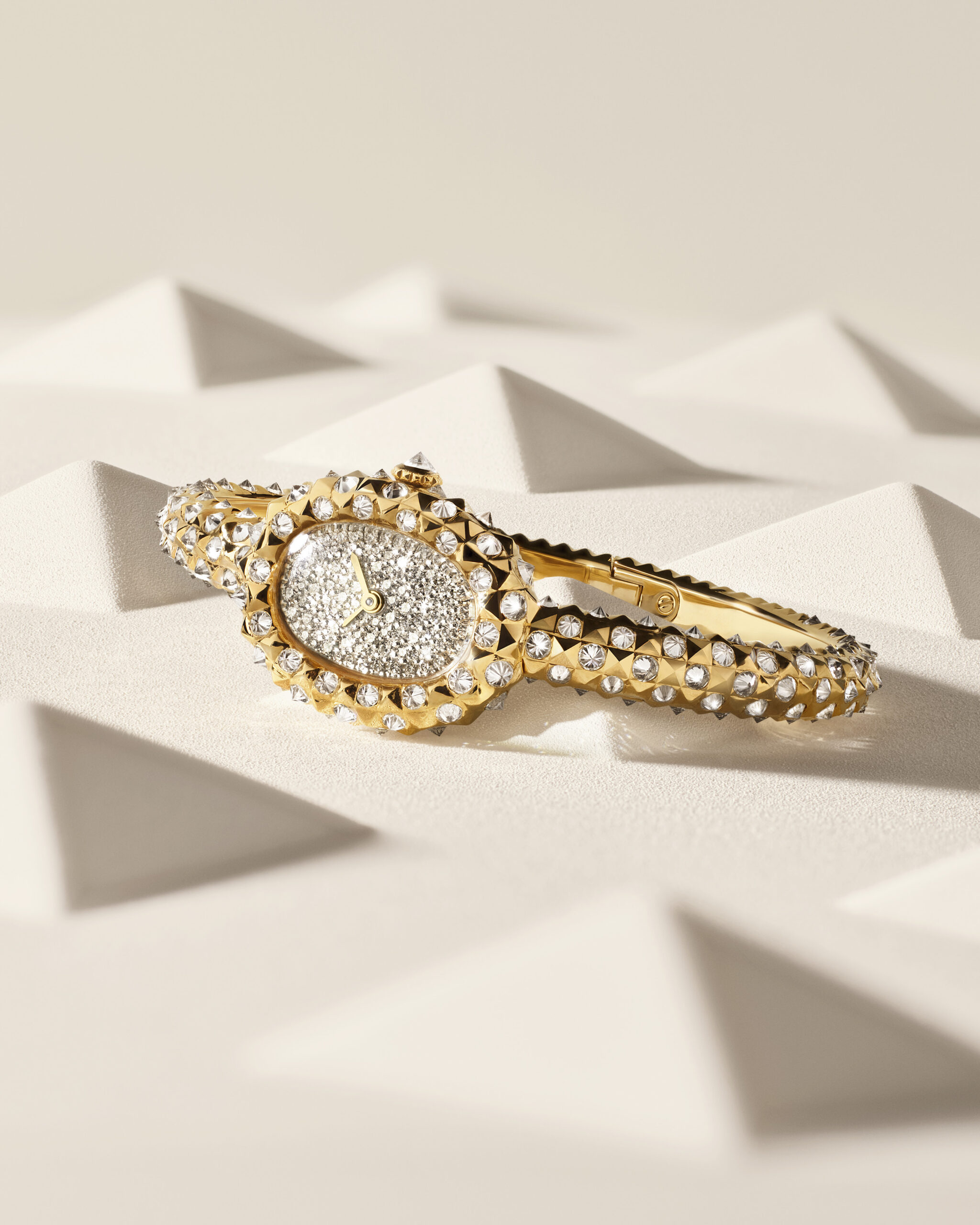
For its jewellery collections, Piaget is known for using a signature hand-engraving technique. The house is inspired by traditional watch-dial guilloché. Its artisans carve the gold into an irregular, silky, textile-like that creates an optical illusion.
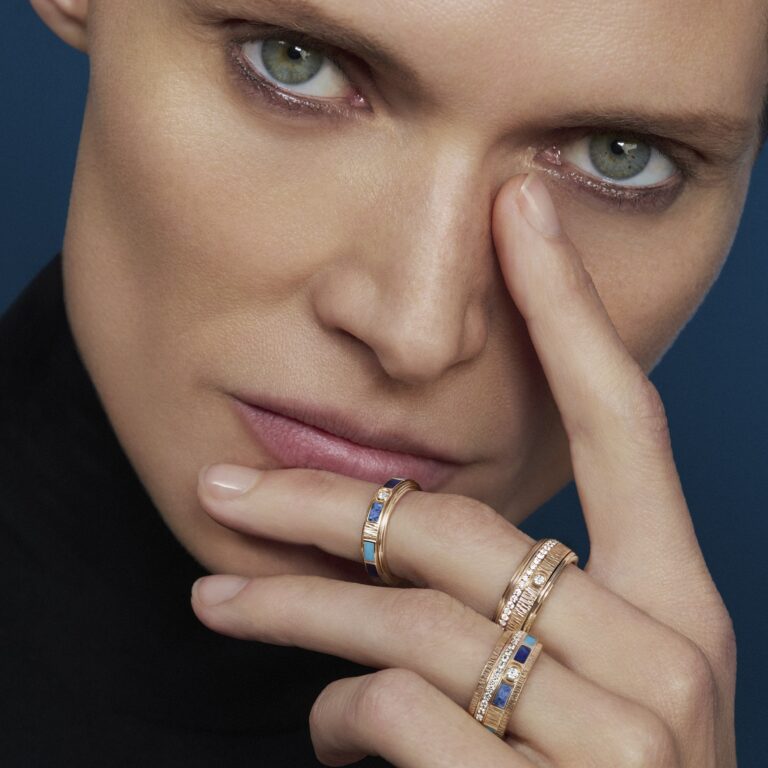
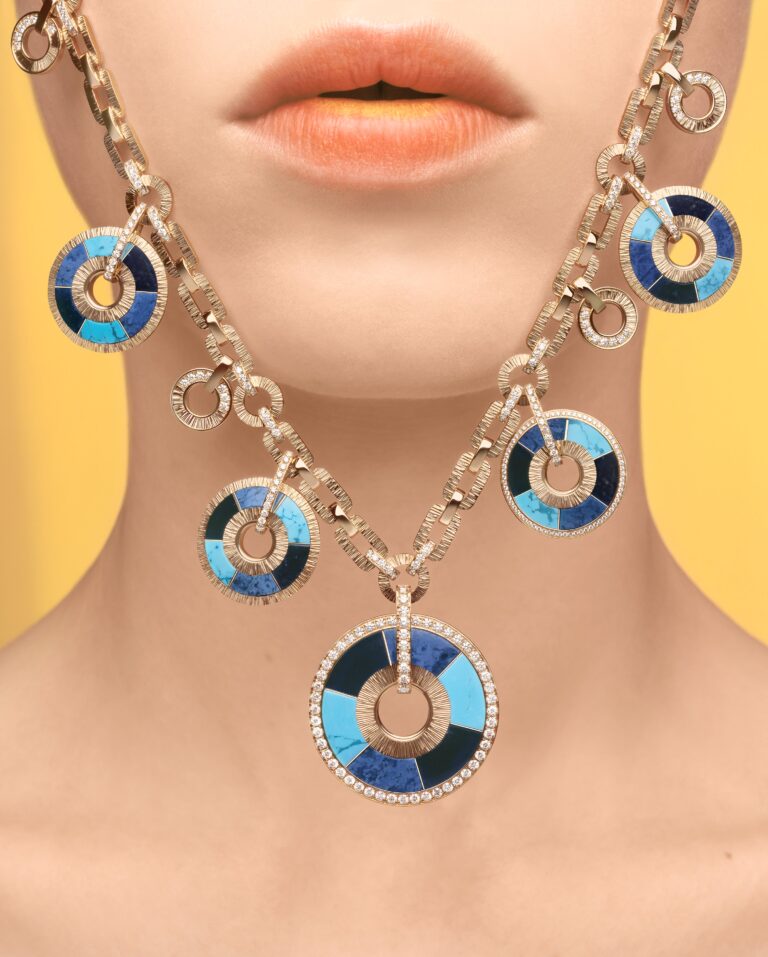
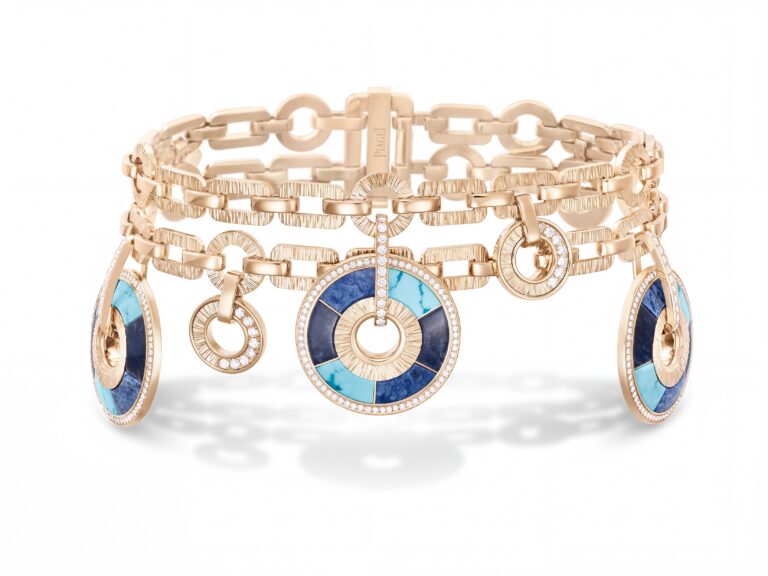
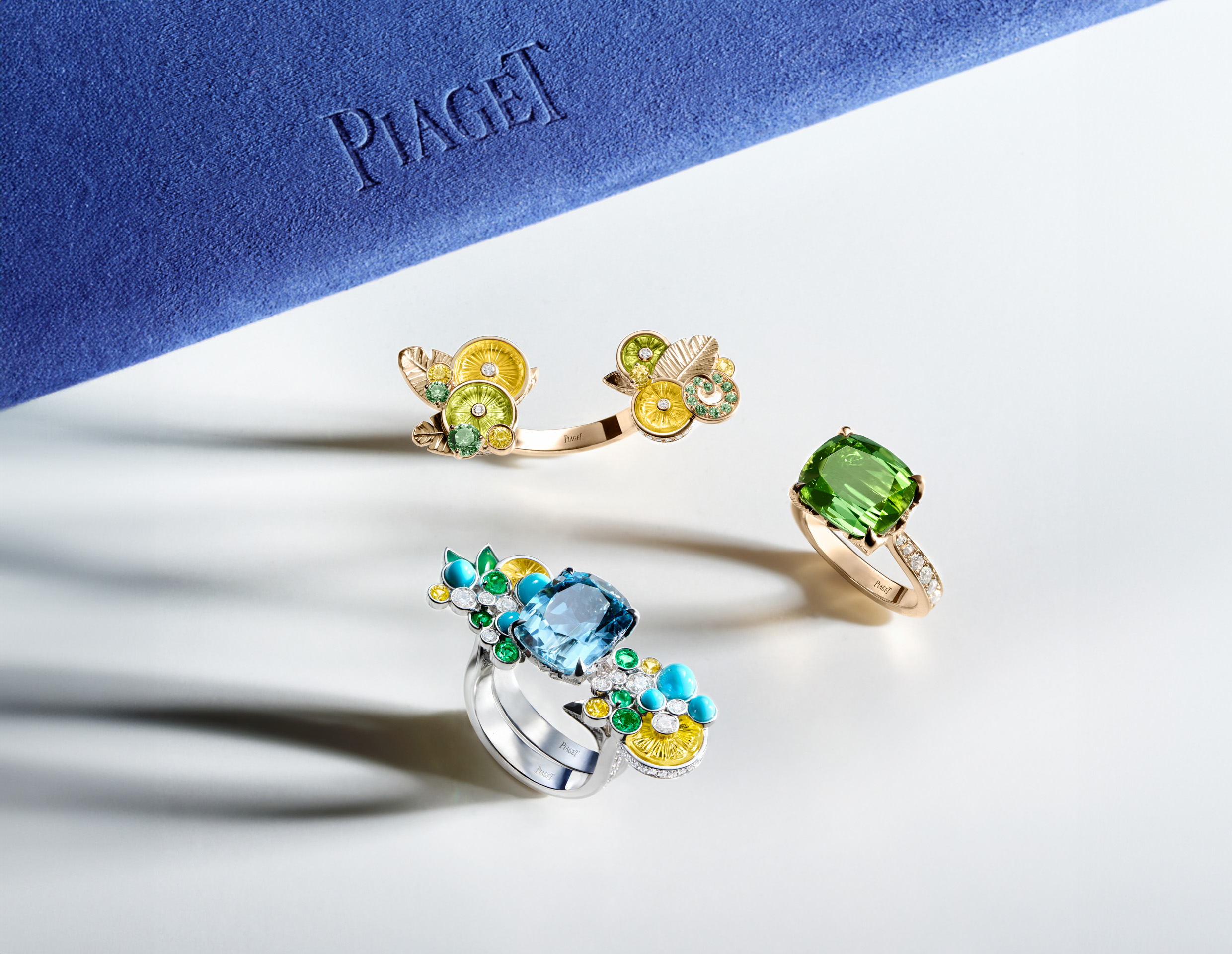
Piaget’s masterful approach is to create a fluid gold texture, in contrast to hard gemstones that adorn the Possession Vibrant Palace collection. It showcases the house’s age-old savoir-faire and makes every piece of jewellery exceptional.
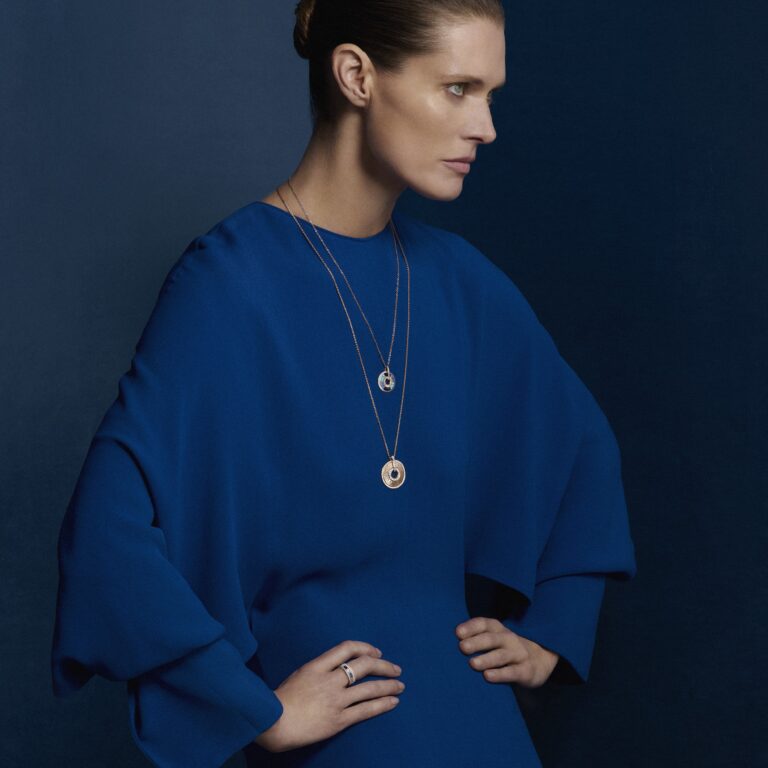
The Possession’s charm is prominent in its movement and meaning to the beholder. The swirling blue and diamonds embody the spirit of joyful hedonism—an invitation to be present in sophistication and elegance.
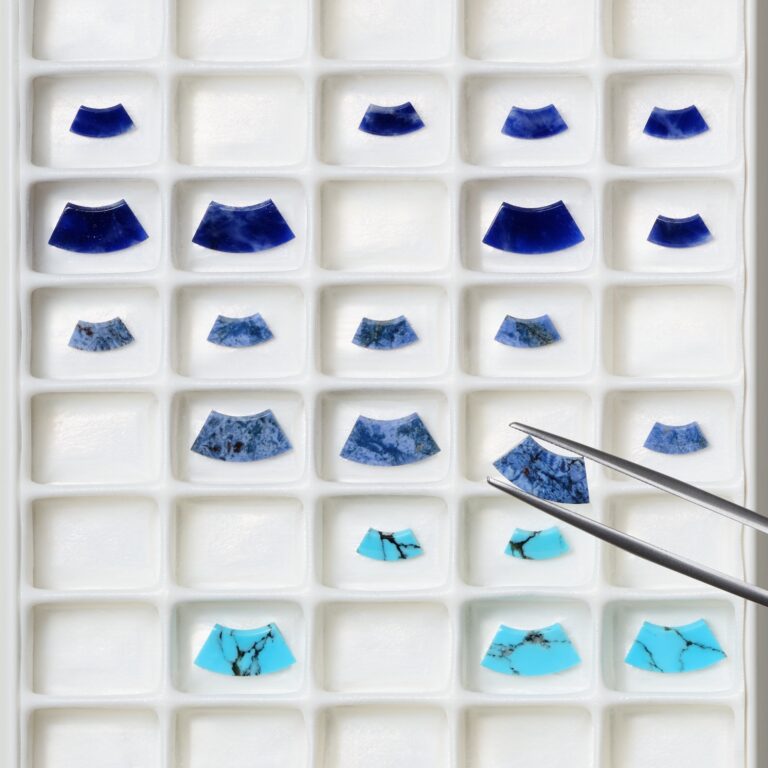
The trilogy of blue gemstones made by three distinct mineral gemstones is enriched with energy that subtly echoes the amulets from ancient times. Piaget transforms these immaculate pieces into a precious talisman, filled with symbolism. For instance, the pieces’ circular shape is a universal symbol of prosperity and luck shared by many cultures.
A Watchmaker that Thrives in Weaving Gold and Ornamental Stones
Piaget has once again elevated one of its most distinctive collections with Possession Vibrant Palace, elevating precious blue ornamental stones with gold. Yes, Piaget is renowned as a Swiss watchmaker who pioneered ultra-thin movements. With the latest Possession Vibrant Palace collection, Piaget consistently showcases its expertise in refinement with mechanical precision, resulting in sleek, elegant, and sculptural designs.
With this level of craftsmanship, it’s notable that Piaget’s high jewellery collections feature transformable sautoir necklaces that can be detached and worn as brooches or watches. These are treasures that will be valued for years to come.