Rising from the dramatic cliffs of Jimbaran, SAKA Museum at AYANA Bali has swiftly become a cultural landmark in its own right. Conceived as both a sanctuary of knowledge and a stage for contemporary expression, this stunning museum celebrates Bali’s artistic spirit and sacred traditions through world-class exhibitions with a deep commitment to modern design and sustainability.
Though still quite new, SAKA Museum has captured the world’s attention. In just one year, the museum has been named one of TIME Magazine’s World’s Greatest Places 2024, while the Kyoto Global Design Awards recognised it in the Top 100 for Environmental Design. Adding to its accolades, the Prix Versailles honoured it as one of the World’s Most Beautiful Museums for 2025.
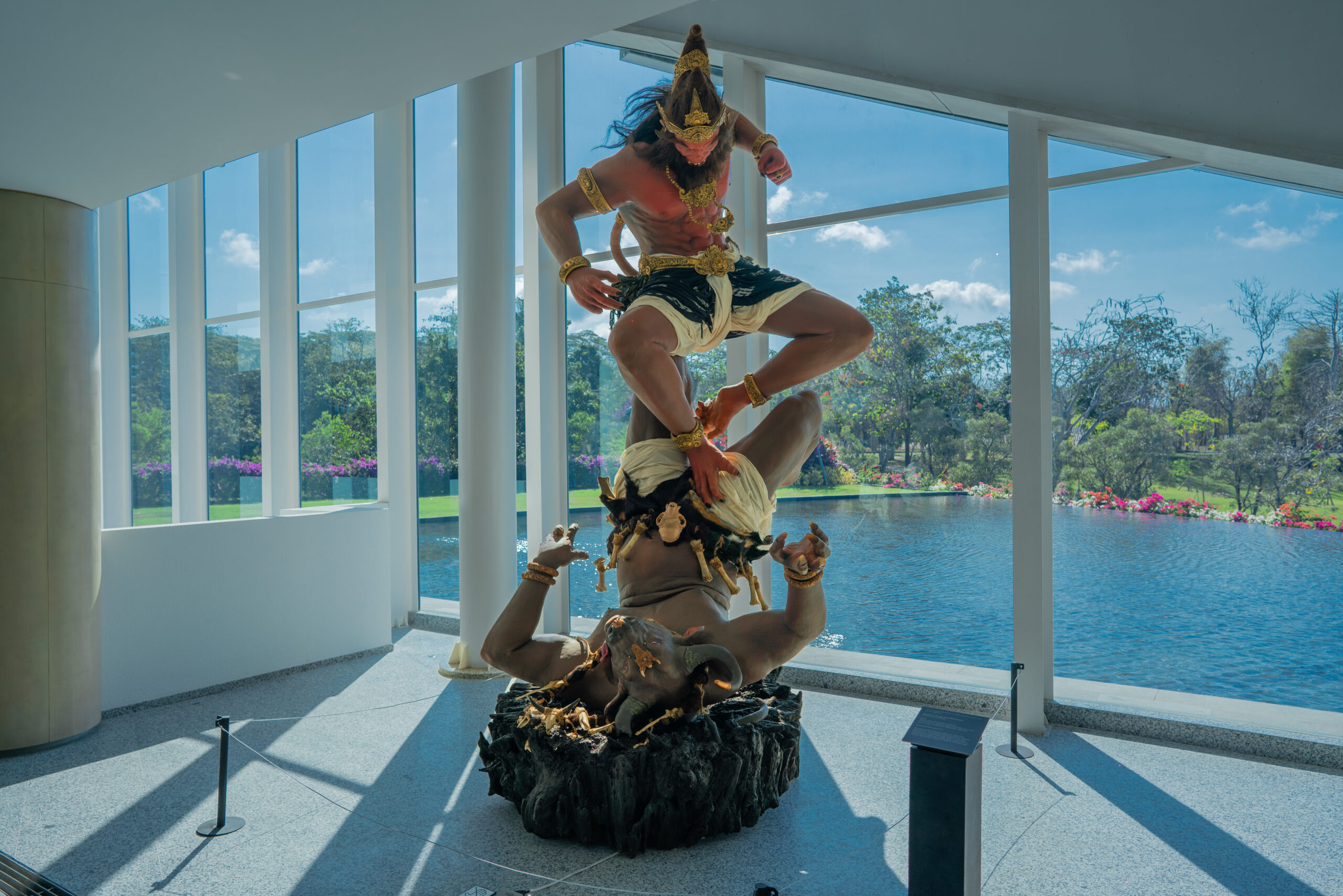
The museum has recently reached a significant milestone, after its inaugural exhibition “Walking Among the Giants” showcased a collection of ogoh-ogoh (giant effigies paraded during Nyepi, Bali’s Day of Silence), unveiling four immersive exhibitions that reinterpret Balinese wisdom through contemporary storytelling techniques.
At first, there’s “Kasanga,” which is curated by Gurat Institute. Spanning three floors, this part of the exhibition unfolds through sculptural reliefs, archival photography, installations, and film, creating a multisensory journey that transcends words, immersing visitors in the sacred stillness of Nyepi, Bali’s Day of Silence. More than preserving ritual, “Kasanga” captures the emotional and philosophical essence of Nyepi, from its quiet power, collective reflection, and timeless spirit.
Alongside it, “Subak: The Ancient Order of Bali,” offers a vivid exploration of Bali’s UNESCO-listed irrigation system. Through an array of multimedia presentations, evocative films, and an hourly light-and-sound spectacle, the exhibition reveals “Subak” not only as an ingenious method of water management but also as a living philosophy rooted in harmony with nature and the community.
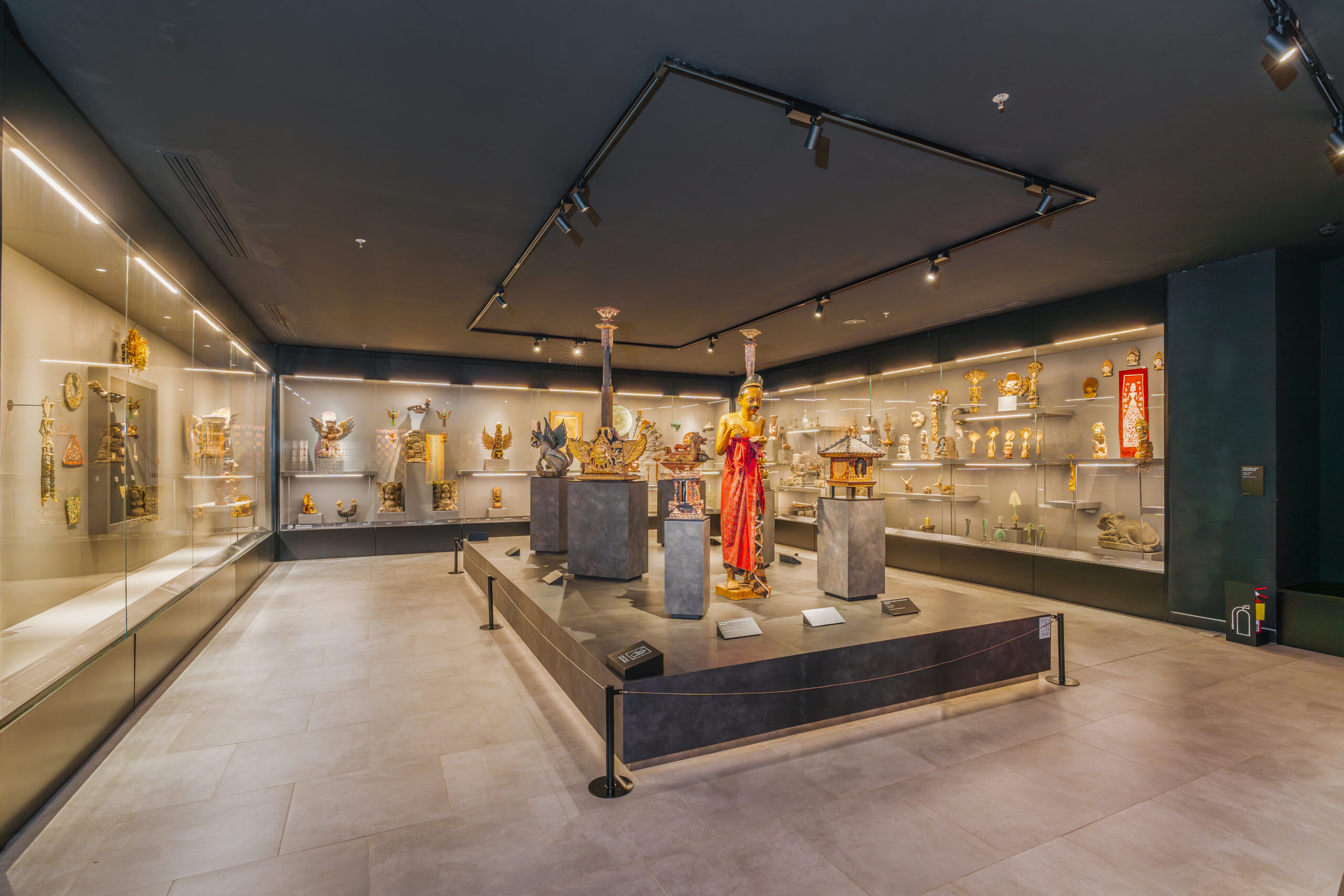
“Panca Maha Bhuta” unveils a rare collection of sacred objects and artworks, framed through the Balinese philosophy of the five elements: earth, water, fire, air, and ether. More than an exhibition, it is an invitation to engage with the unseen forces that have long shaped the island’s rituals, creativity, and way of life, offering visitors a deeper understanding of Bali’s spiritual ecology.
Last, but not least, “Twilight Journey” transports visitors into an immersive dome experience designed by Bali-based multimedia artists Wahyudi Chandra and Raden Cahyoko (Kokok). Through interactive audio-visual technology, the installation conjures the star-studded skies, evoking the celestial calm of Nyepi night, guiding viewers on a meditative passage across Bali’s sacred geography.
Together, these exhibitions form a rich tapestry of sensory experiences rooted in Balinese heritage yet expressed through modern forms. More than installations, they are narratives of place, spirit and time. Each exhibition offers a distinct lens through which to encounter the island’s rituals, philosophies, and living traditions. It invites visitors to experience Bali’s heritage as something felt, not just observed, bridging tradition, ecology, and spirituality in profound and contemporary ways.
With its striking architecture and sustainable ethos, SAKA Museum has swiftly risen as a cultural force both in Indonesia and on the global stage. As a platform for artistic expression, one that honours tradition while shaping new narratives of Bali’s past, present, and future, the completion of its four landmark exhibitions reaffirms SAKA Museum’s mission as a vital space for cultural storytelling, design, and sustainability.
In doing so, it bridges one of Indonesia’s ancestral wisdom with the world’s appetite for deeper connection, positioning SAKA Museum not only as a custodian of heritage but as a bold platform and voice for Bali within global conversations on creativity and meaning.
SAKA Museum is open daily at AYANA Bali, Jimbaran.