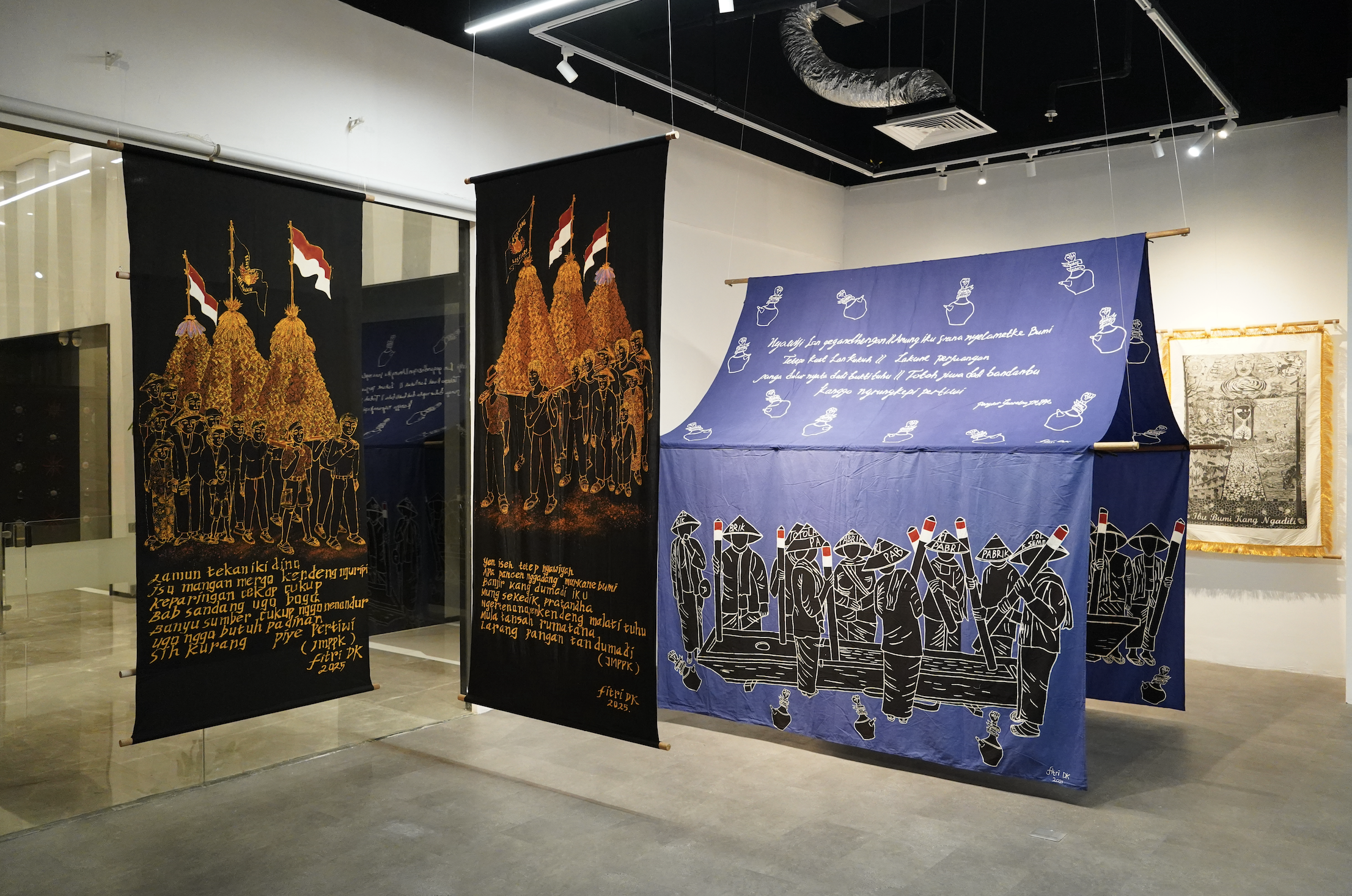
Over the years, Art Jakarta has continued to recalibrate how contemporary art is presented, experienced, and discussed, whether through virtual viewing rooms during the pandemic, the open-air intimacy of Art Jakarta Gardens, or the return of its flagship fair as a regional meeting point for artists, galleries, and collectors. In 2026, the trajectory sharpens with the introduction of Art Jakarta Papers, a fair that places paper—long treated as peripheral—squarely at the centre of attention.
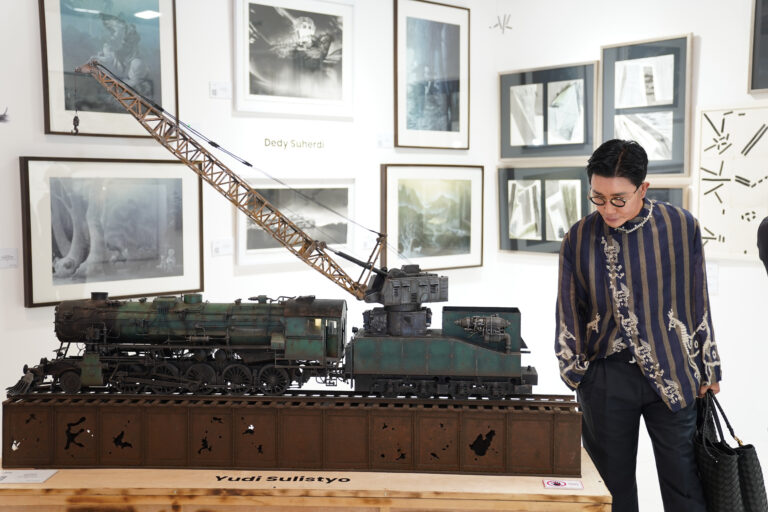
Taking place from 5–8 February 2026 at City Hall, Pondok Indah Mall 3, Art Jakarta Papers brought together 28 galleries from Indonesia and across Asia, all centred on practices rooted in paper. The initiative emerged from a simple but pointed observation: within art fairs, hierarchy is often dictated by scale.
Monumental canvases and imposing installations draw the eye, while works on paper—drawings, prints, photographs, artists’ books, archival and research-based practices—are treated as secondary, preparatory, or supplementary. To counter this imbalance, Art Jakarta Papers rewrites the hierarchy of mediums by giving paper a space to stand on its own, complete and uncompromised.
Rather than separating paper as a niche category, the fair positioned it as a living, expansive field. Here, paper was flaunted in its own visual language, intellectual depth, and material presence. Internationally, paper-based works have gained visibility across fairs, biennales, and institutions, alongside a more mature collector base attuned to their conceptual and material value.
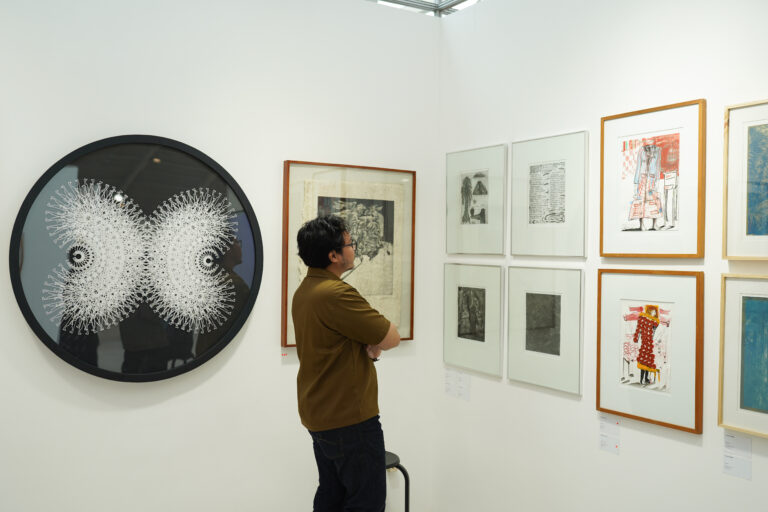
The fair’s approach was reinforced through solo presentations by Indonesian artists and a series of curated talks that examined paper from multiple angles, including conservation in tropical climates, experimentation, restoration, and international market circulation. Together, they underlined paper as a practice in motion, one that is responsive, investigative, and continuously evolving.
The role of paper was further articulated through the fair’s lead partners, such as in myBCA presents myBCA Space, featuring a monolithic installation by Rudy Atjeh composed entirely of hand-cut paper. Using the metaphor of a tree, the work traces the journey of human life: roots as foundational principles, a trunk as inner resilience, and branches as phases shaped over time. Visitors were invited to contribute through an origami activity, allowing the installation to grow throughout the exhibition.
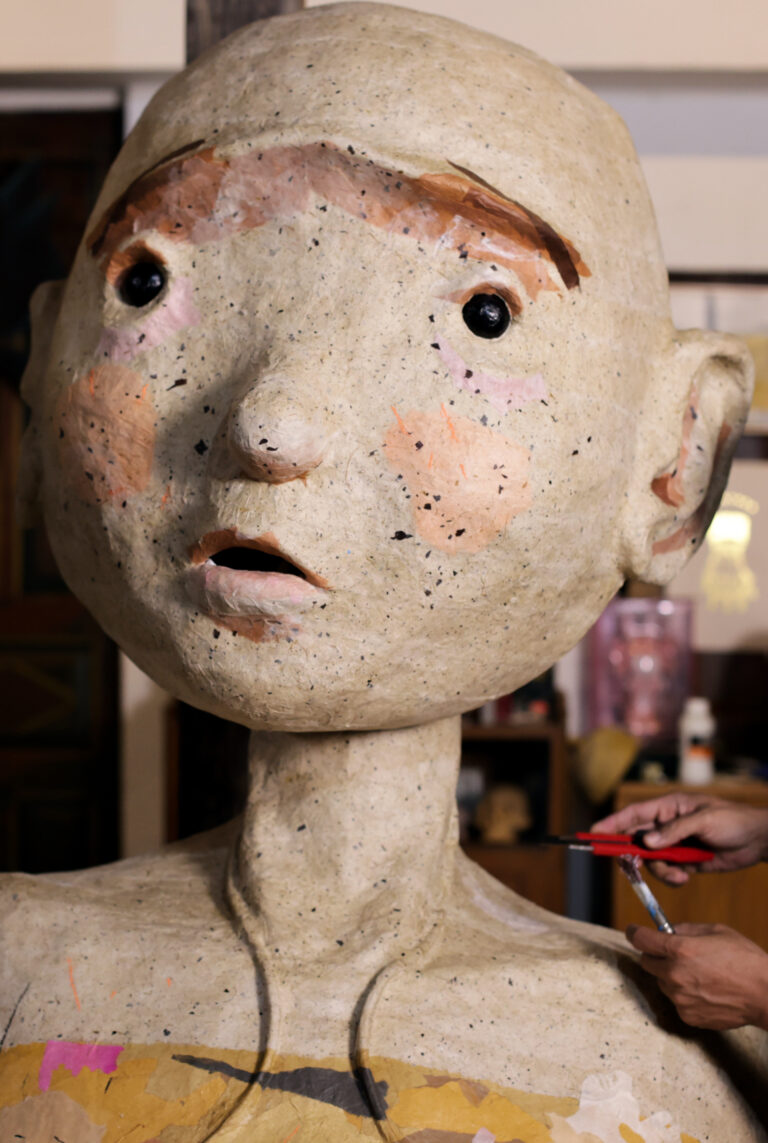
Sucor AM Corner by Sucor Asset Management unveiled an interactive installation developed with artist Naufal Abshar. Drawing on chess as a metaphor for investment strategy, six papier-mâché sculptures representing chess pieces occupied the space as distinct yet interdependent characters. Visitors engaged directly in live matches across three levels of difficulty, each corresponding to different investment risk profiles.
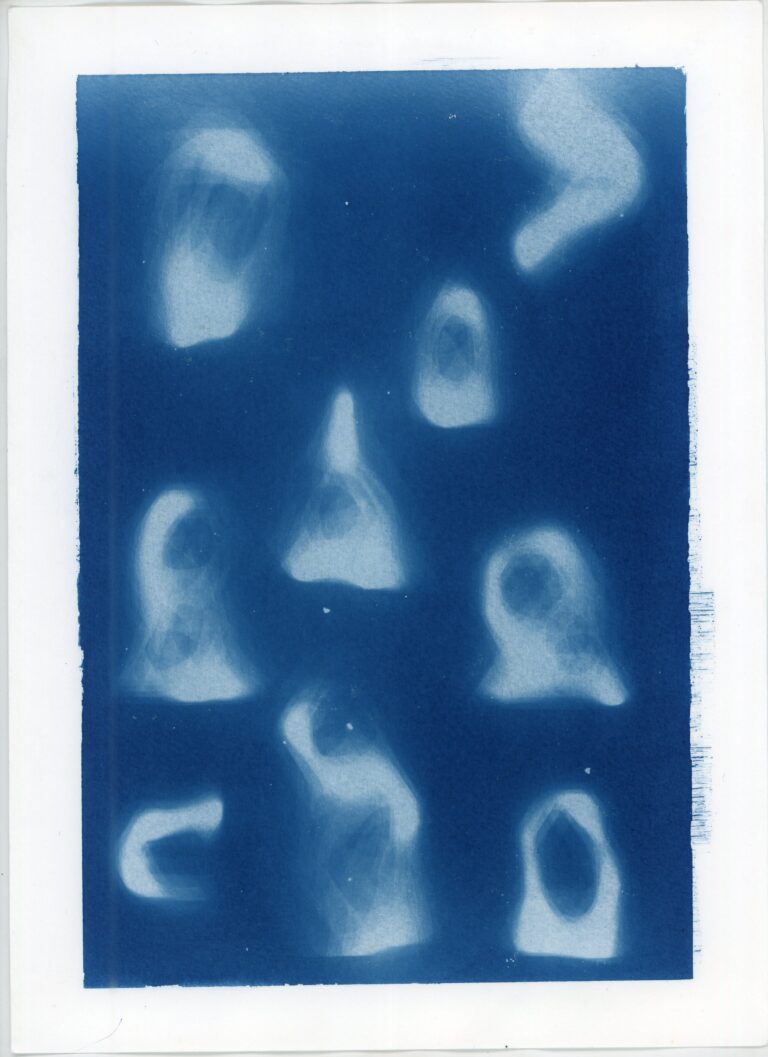
Complementing these presentations, EDISII brought a selection of limited edition fine art prints by Indonesian contemporary artists, produced through close collaboration between artist and publisher. The presentation highlighted paper’s role in translating artistic intent with clarity and care, while reinforcing its place within both artistic and market ecosystems.
Art Jakarta Papers also reflected on the breadth of paper-based practice across the region. Participating galleries from cities including Jakarta, Bandung, Yogyakarta, Surabaya, Bali, Semarang, Kuala Lumpur, Bangkok, Seoul, and Taipei, underscored the medium’s relevance across geographies and contexts. The fair’s SPOT section further integrated large-scale curated installations by Iwan Effendi, presented by ara contemporary, and the photography collective Ruang MES 56, presented by kohesi Initiatives, situating paper-based practices within a wider exhibition dialogue.
As the opening chapter of Art Jakarta’s 2026 programme—followed by Art Jakarta Gardens and the flagship fair at JIExpo Kemayoran—Art Jakarta Papers signals a realignment. By placing paper at the centre, it affirms that scale does not determine significance, and that material intelligence, process, and thought remain essential to how contemporary art is seen, valued, and sustained.