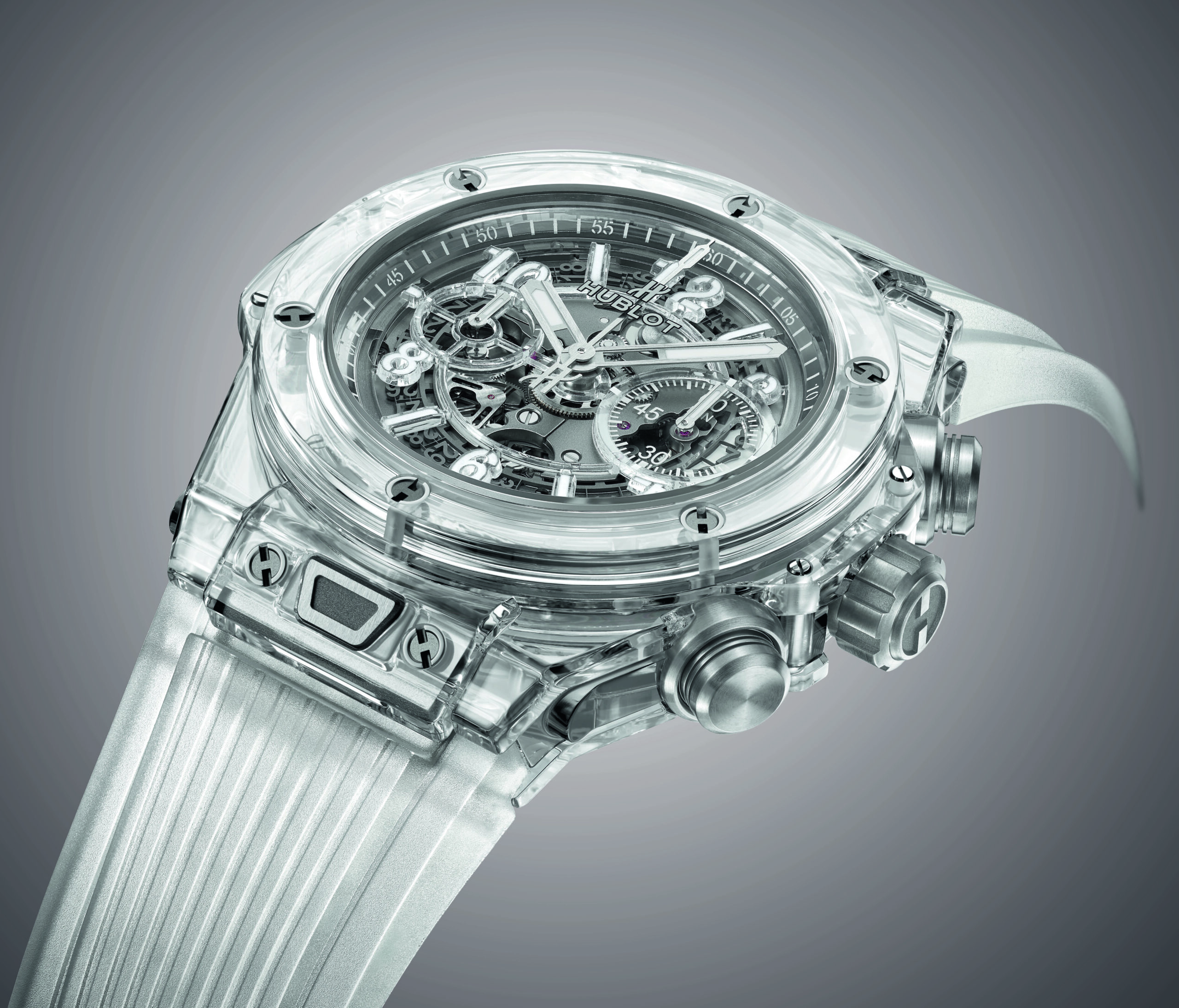
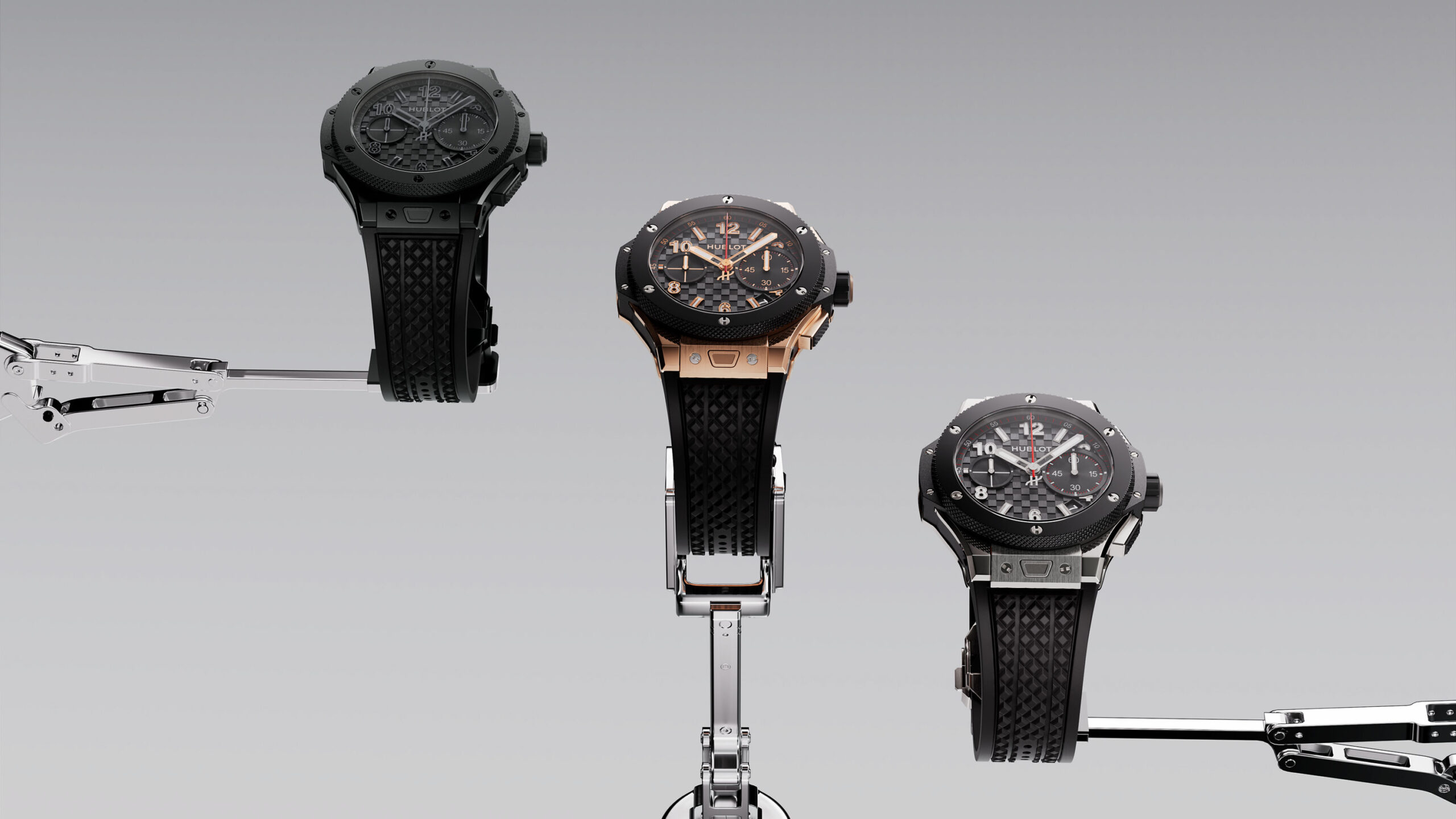
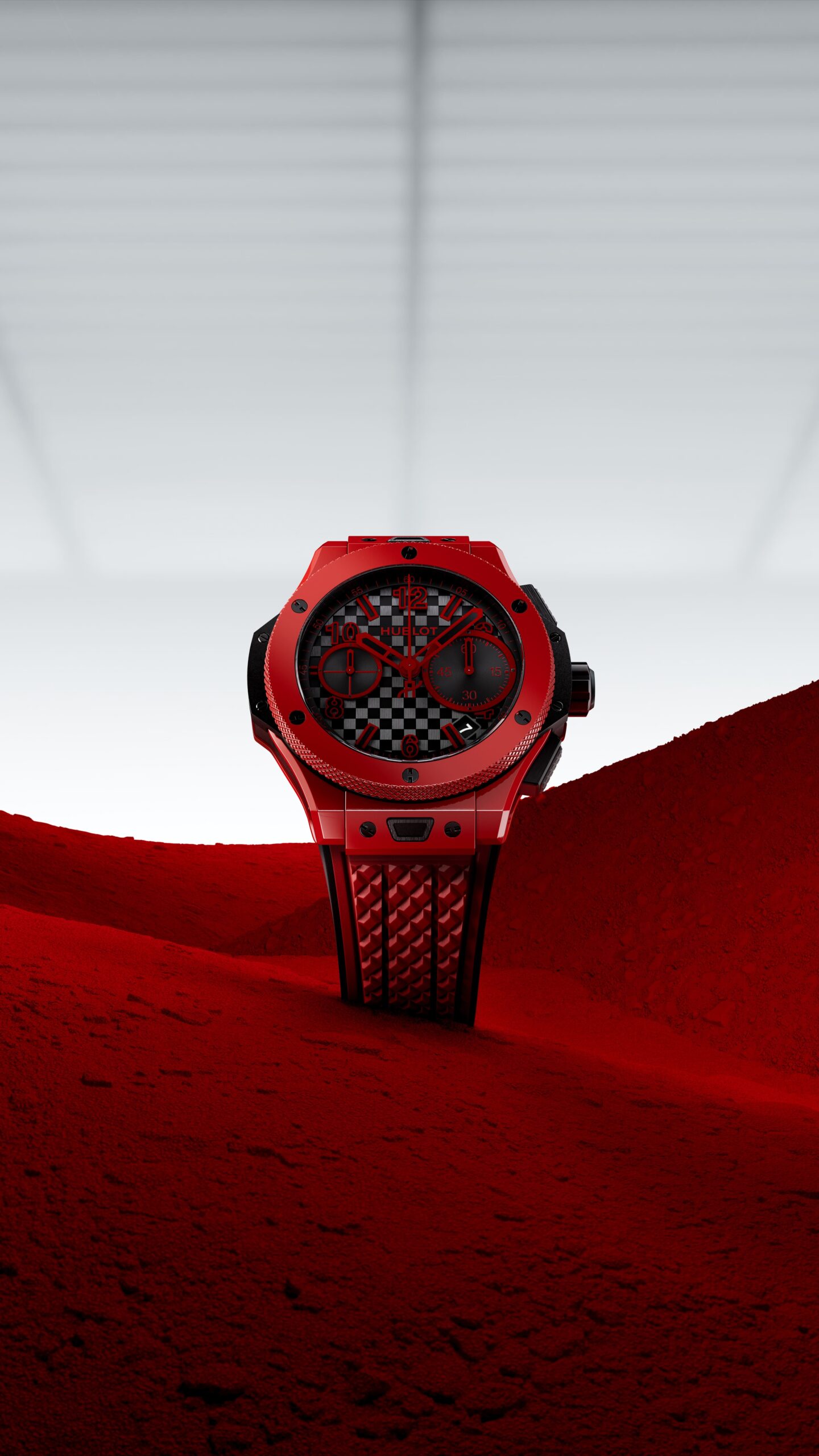
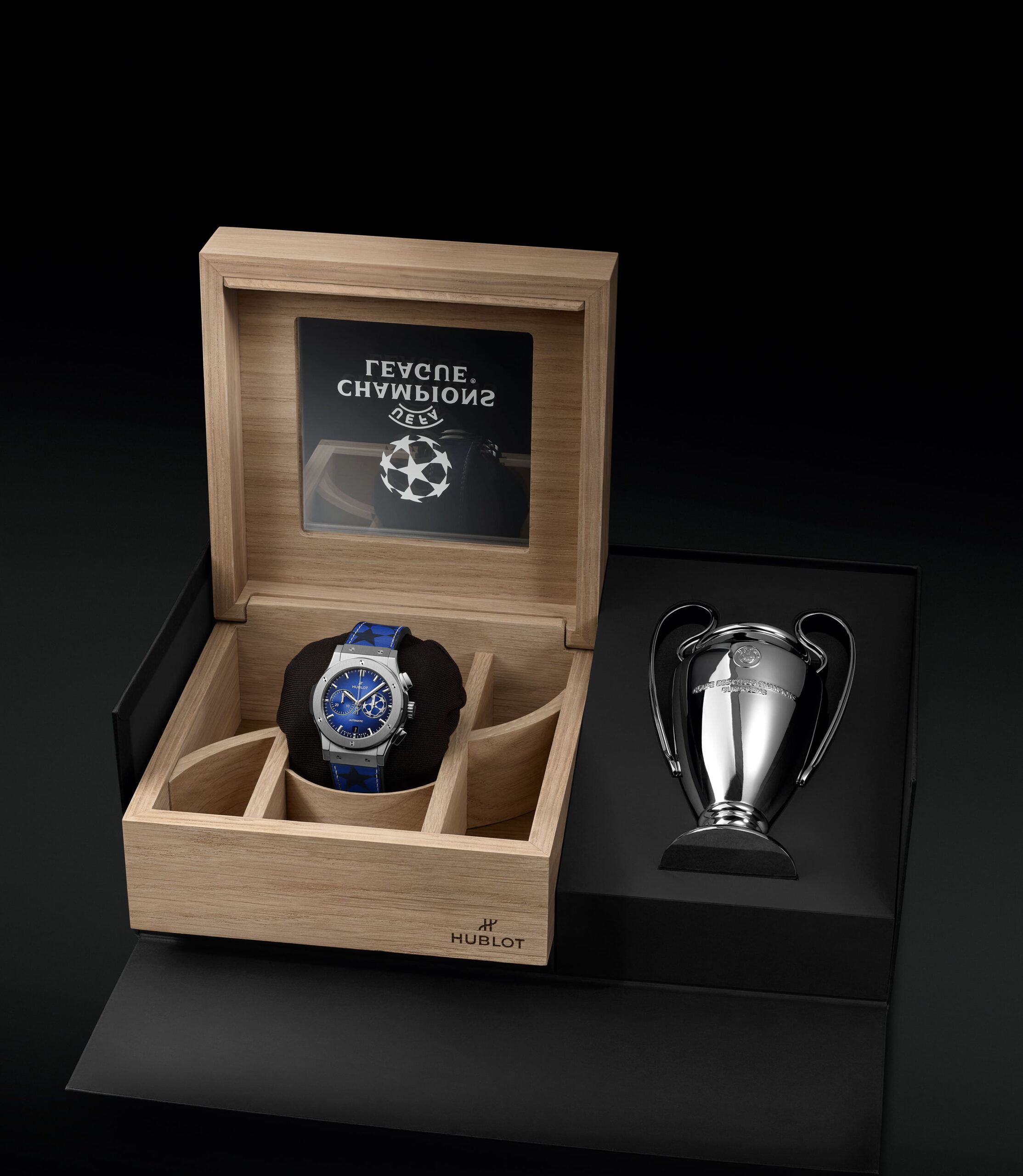
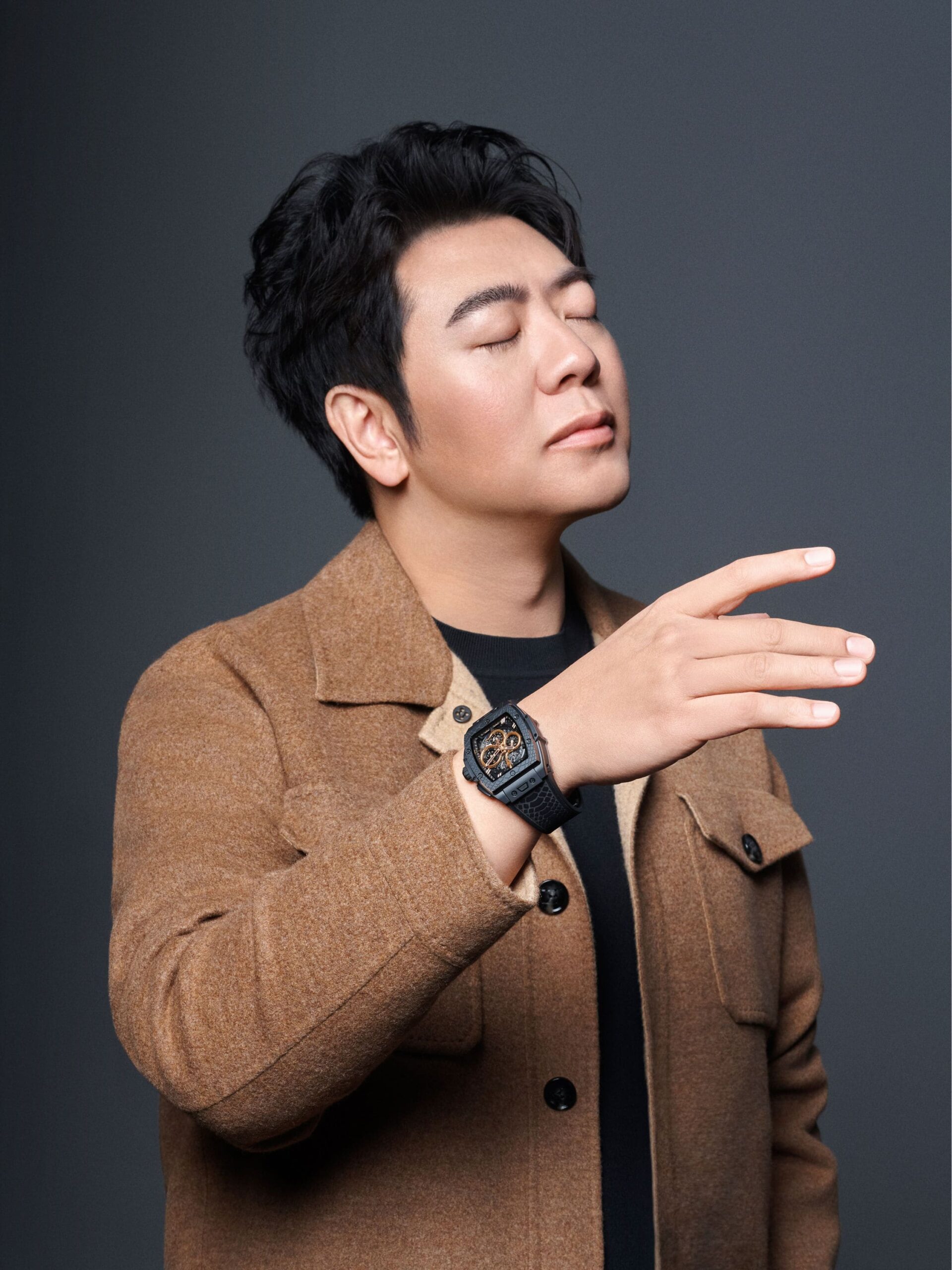
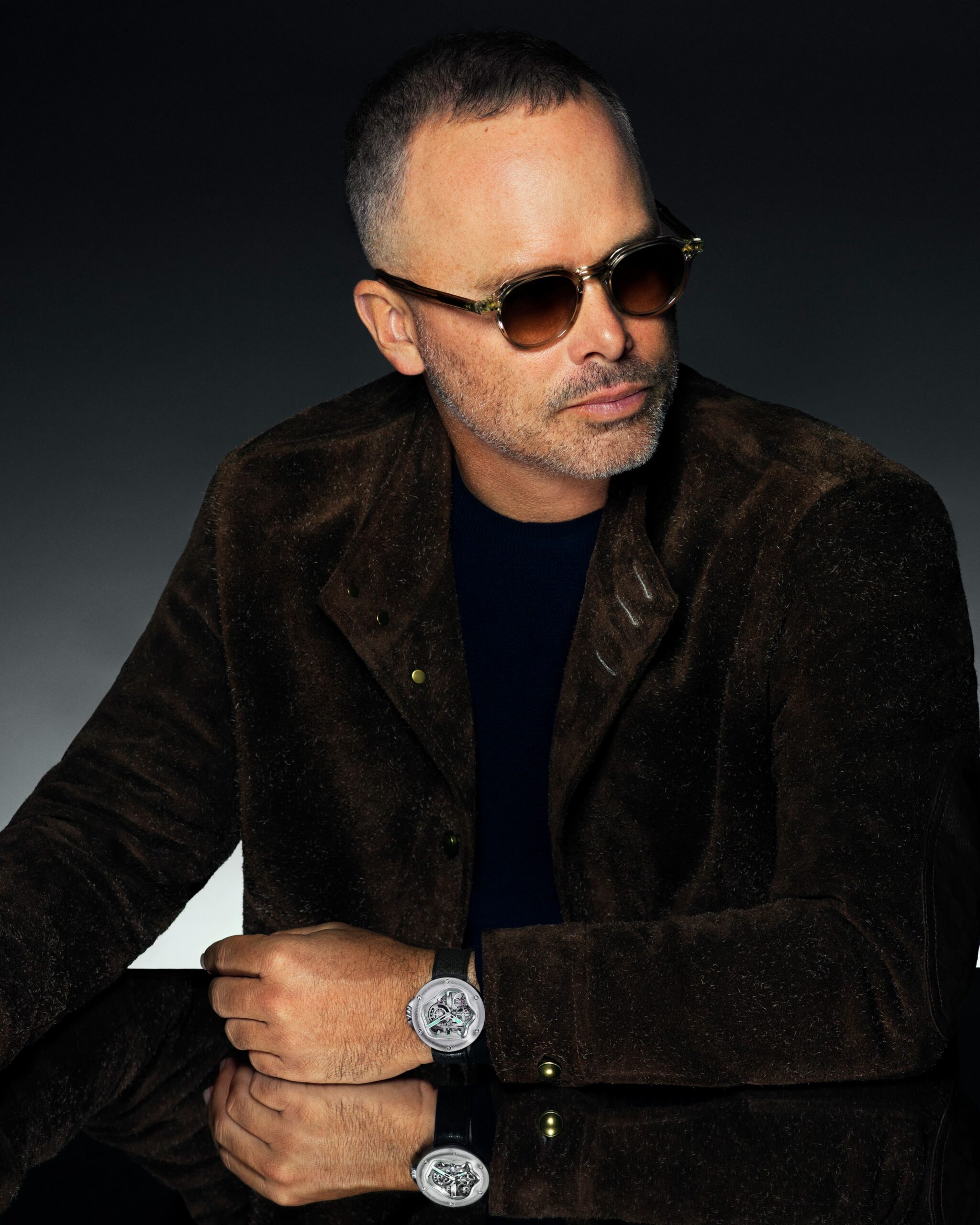
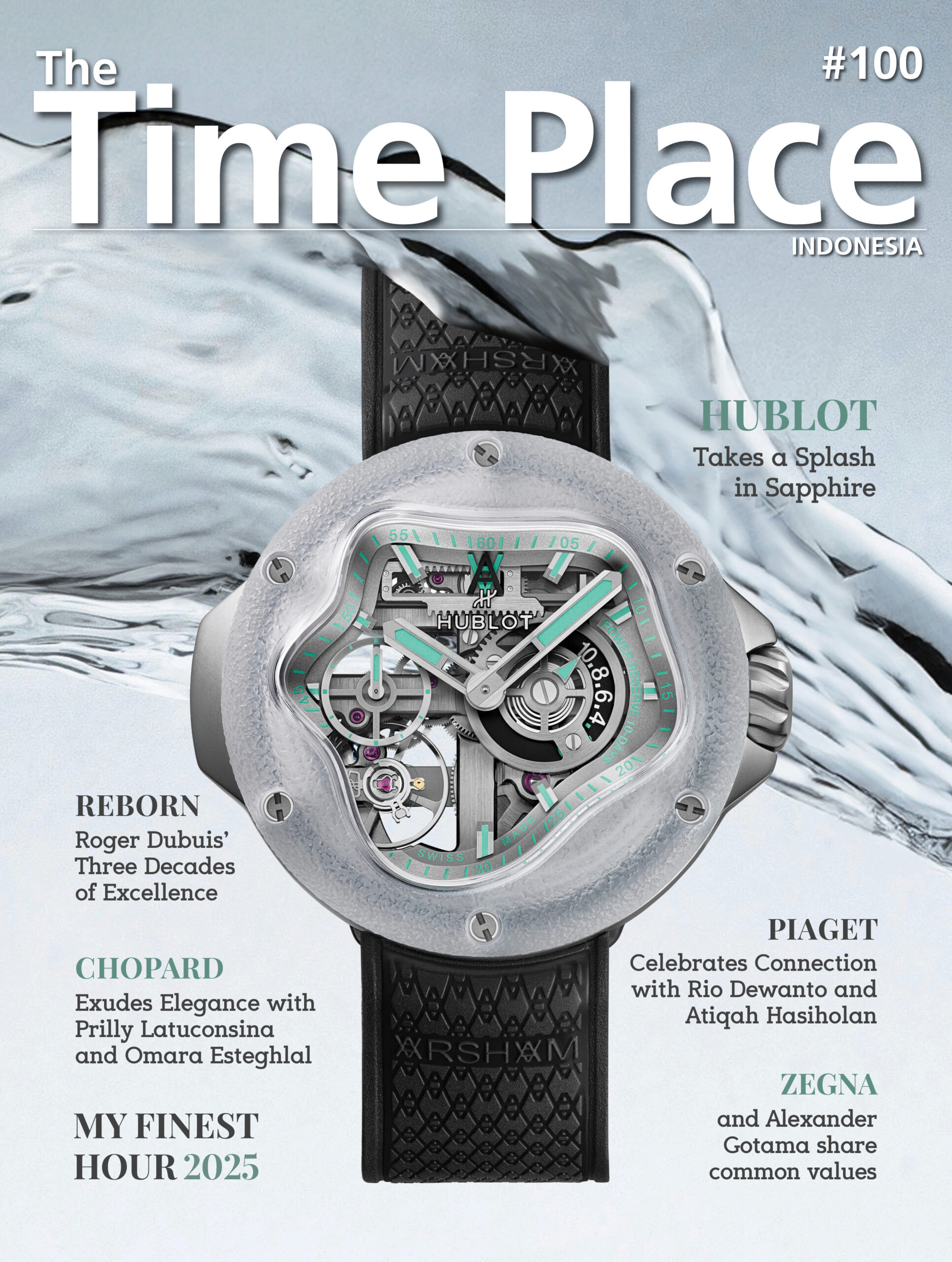
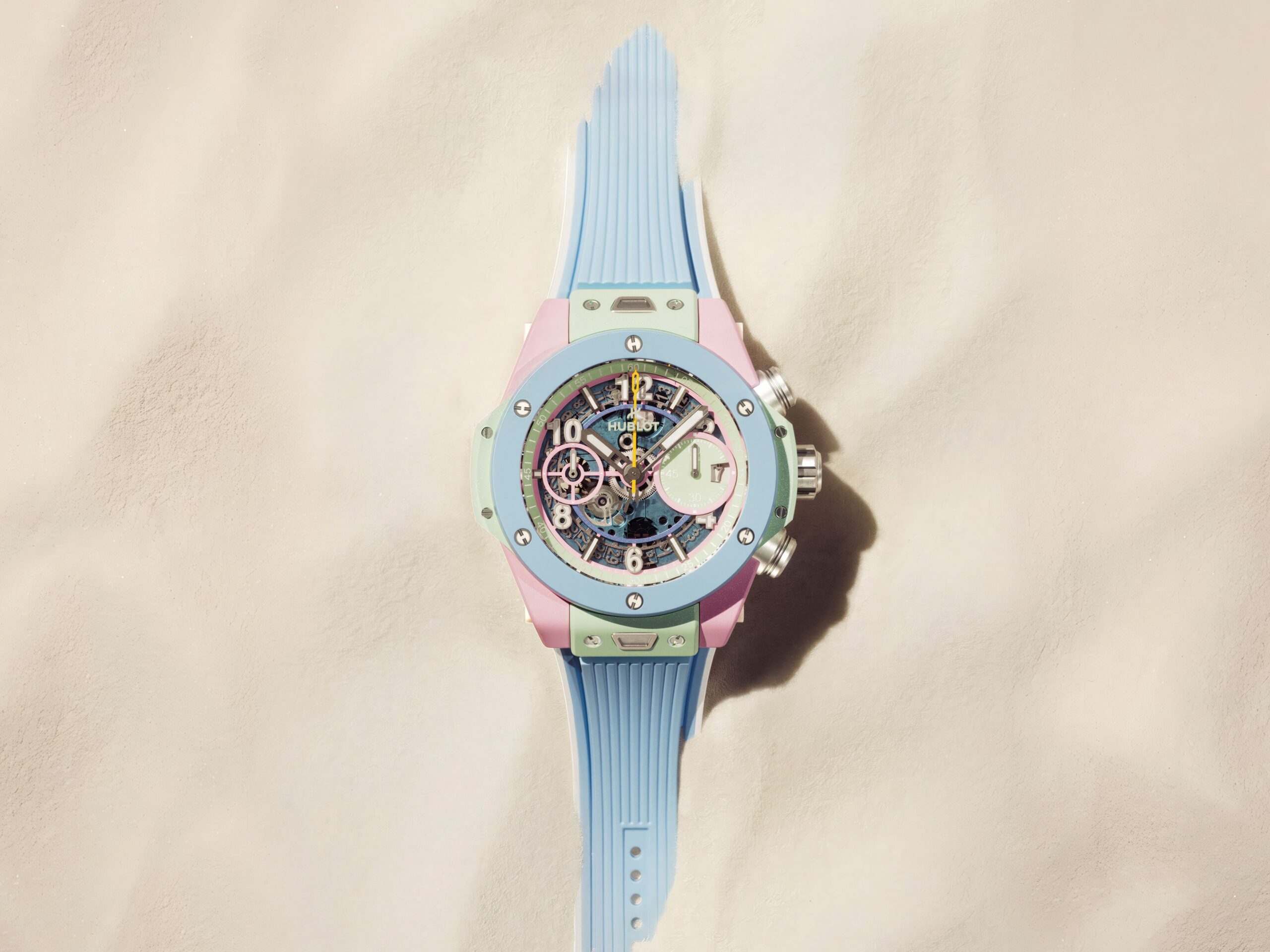
As Hublot marks the 20th anniversary of the Big Bang, CEO Julien Tornare reflects on both legacy and evolution. Under his leadership, the Swiss Maison continues to honour Jean-Claude Biver’s daring spirit while setting its sights firmly on the future. Known for pioneering bold material innovations and disruptive design, Hublot now seeks to reinforce its standing in fine watchmaking with renewed focus on craftsmanship, movement development, and timeless creativity. In this exclusive conversation with The Time Place Magazine, the affable executive reflects on creativity, courage, and what it means to keep pushing boundaries while staying true to the spirit of Hublot.
Looking back at your first year as the Hublot CEO, what have been the biggest highlights and also the challenges so far?
The biggest highlight for me this year has been celebrating the 20th anniversary of the Big Bang. It’s such an important milestone, as the Big Bang represents the legacy of Jean-Claude Biver, who relaunched the brand in the early 2000s. We felt a great responsibility to honour that heritage properly, which has been a major focus this year.
At the same time, I’ve been preparing for Hublot’s future. Starting in 2026, we’ll unveil several exciting developments: a reimagined Big Bang and a new vision for the Classic Fusion that revisits the Italian elegance of our founder. There’s also a big surprise coming for Classic Fusion next year.
Hublot has always stood out for its bold, disruptive approach to marketing, many brands follow now, but Hublot was the first. And while we’ve long been recognised for innovation in materials like ceramic and sapphire, I believe our watchmaking deserves more credit. Coming from Maisons like Vacheron and Zenith, I was impressed by the depth of expertise within Hublot—a young brand with remarkable craftsmanship.
My goal is to amplify that strength: new movements, higher finishing standards, and more complications to reinforce Hublot’s place in high-end watchmaking—always with creativity and a twist. Some love Hublot, others don’t, but I want everyone to understand it, because people often resist what they don’t yet understand.
What do you hope to bring that will define your chapter as the CEO of Hublot?
For me, the goal is simple: I want Hublot to be among the top five watchmaking brands in the world. To get there, we need the right balance between serious watchmaking expertise and the creativity, innovation, and energy of a contemporary brand.
Many traditional houses are bound by their heritage, but Hublot isn’t. We have the freedom to create, to explore, to surprise. That gives us a unique place within Swiss watchmaking. I’m Swiss myself, born and raised in this culture, so I understand the landscape, and I believe Hublot can truly stand apart.
Looking ahead, I want to keep surprising people. Next year, we’ll unveil incredible new product developments that I’ve been working hard on throughout this year. 2024 was about celebrating the Big Bang, but the next chapter is about pushing boundaries and shaping the future.
Looking at the past of luxury watchmaking, how central are artist collaborations in shaping the future of the identity of Hublot?
I think it aligns perfectly with Hublot’s DNA because creativity has always been at the heart of who we are. People often think of Jean-Claude Biver and the Big Bang, but even before that, going back to Mr. Croco and the brand’s beginnings, he was already daring to challenge tradition.
In the 1980s, the Swiss watch industry was incredibly conservative, and yet he brought rubber next to gold, something unheard of at the time. It was bold, maybe even a little crazy, but that’s what defined Hublot from the start.
Collaborating with artists continues that spirit of daring and difference. It’s about courage, doing watchmaking in a way others don’t. Many brands today play it safe, producing similar designs. But we believe in pushing boundaries, surprising people, and standing apart. I’ve always said, if you step onto a plane and everyone’s wearing the same watch, that’s not exciting. With Hublot, you wear something that feels personal, individual, and expressive.
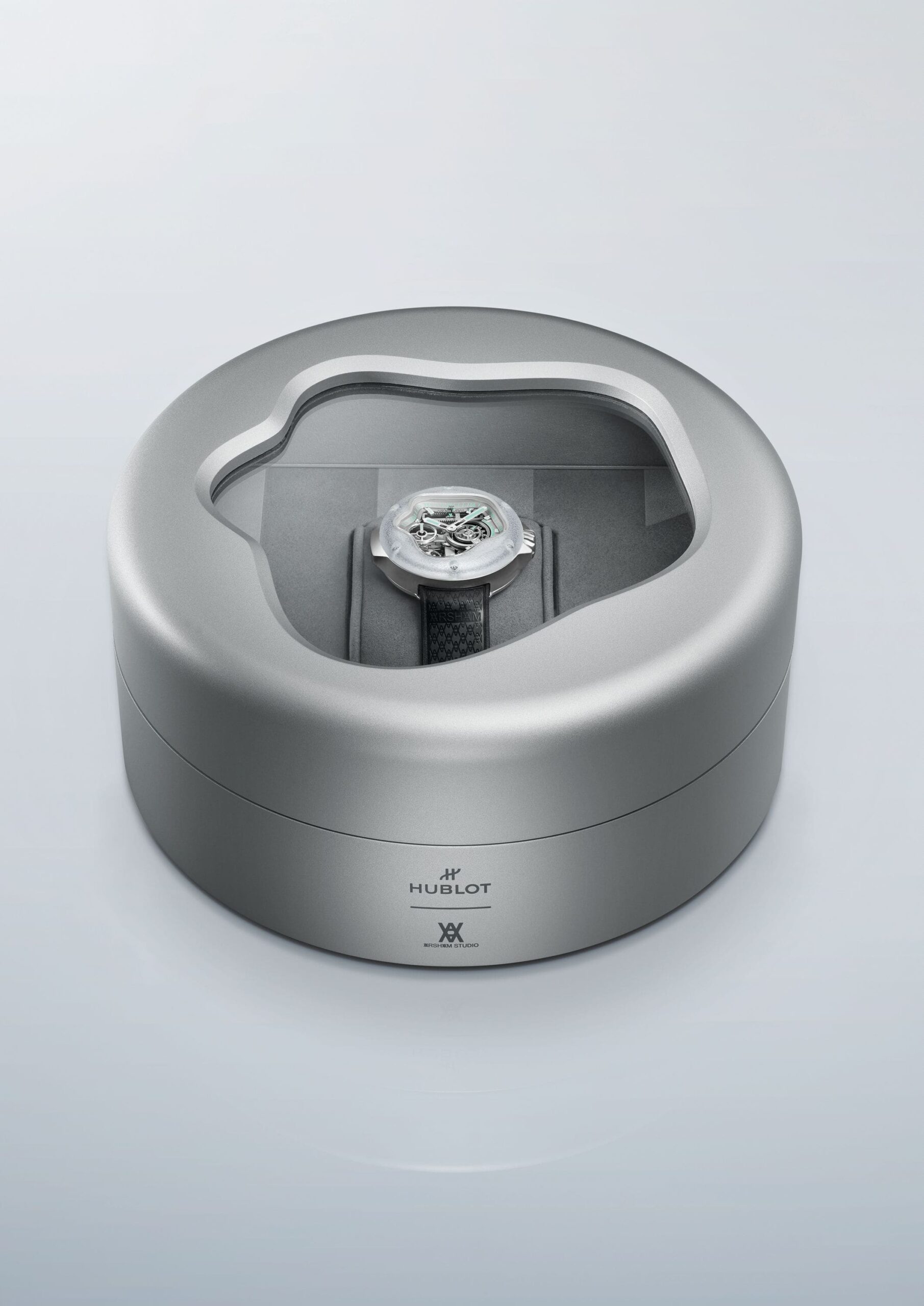
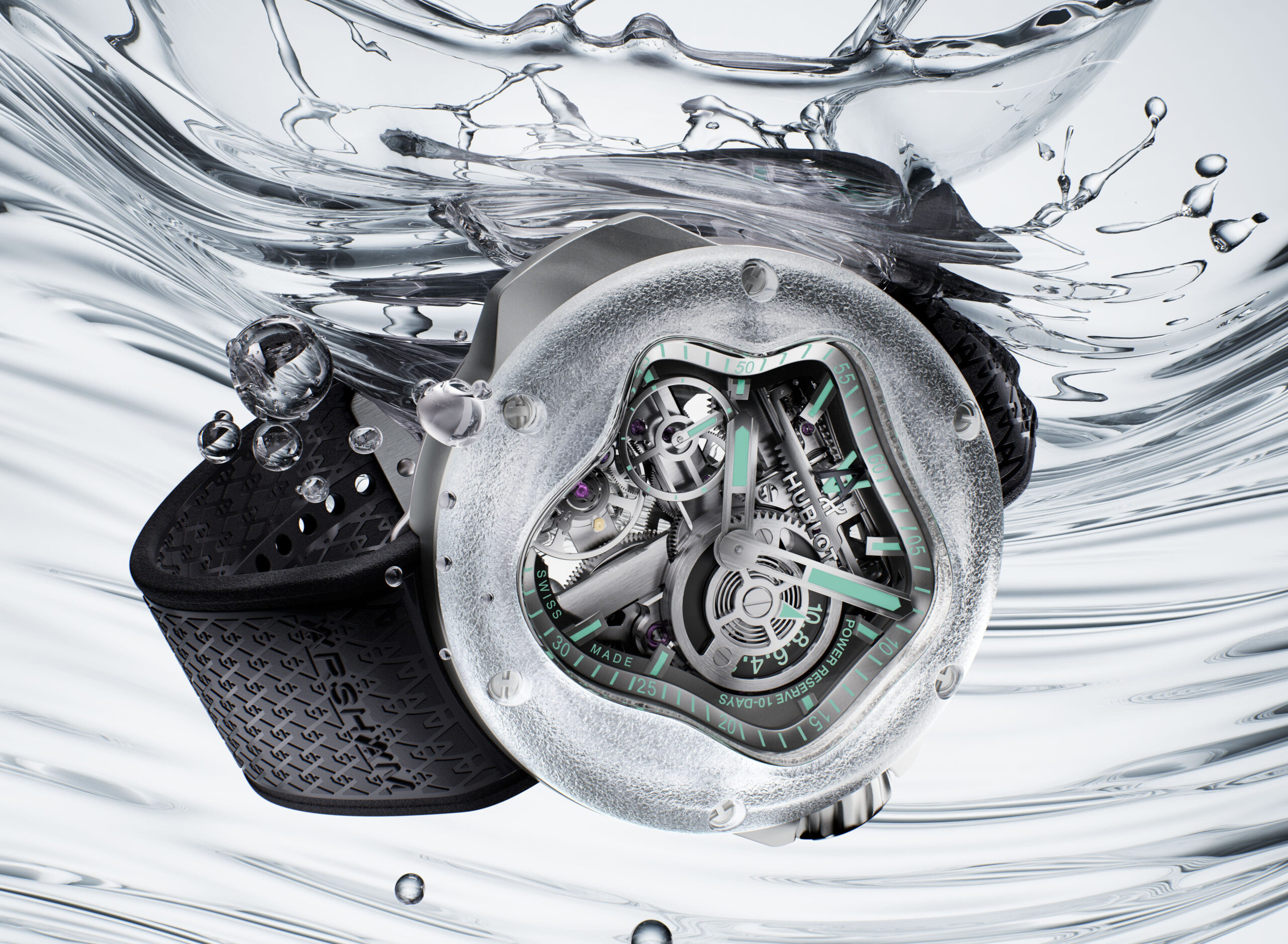
Hublot is a brand open to creativity and innovation, and you can’t get more creative than working with artists. They love collaborating with us because we give them freedom. The only rule is that the watch must work. Beyond that, they can explore, experiment, and surprise me. Unlike other brands with endless restrictions, we let artists truly be themselves. Just this morning, Daniel [Arsham] and I were discussing some new, crazy ideas, and that’s exactly what keeps Hublot exciting.
Customers want both tradition and disruption, timelessness and novelty. How do you resolve that paradox in Hublot’s strategy?
People often find reassurance in tradition but excitement in innovation, and the key is finding the right balance. Hublot has historically leaned more toward the creative and innovative side rather than the purely traditional aspects of watchmaking. That’s why I want to strengthen how we communicate Hublot’s technical expertise, to remind people that when they buy a Hublot, they’re buying serious watchmaking first and foremost.
At the same time, it’s also about emotion and excitement. We create watches that are fun, bold, and forward-thinking, but backed by genuine craftsmanship and quality. My goal is to elevate our movement strategy, finishing, and perception of watchmaking so that people feel both the reassurance of excellence and the thrill of innovation.
It’s about achieving both heritage and creativity. You can see that balance reflected in cultures like Japan or China, where deep-rooted tradition coexists with a hunger for innovation. I think Hublot embodies that spirit better than most. And as an industry, we must be careful not to become museums of our own history. Watchmaking needs to keep evolving, feeding creativity from the inside out.