Piaget’s Polo line hasn’t really had a single comeback moment, as it has been more of a gradual reset. Over the years, the maison has continued to refine the collection through different interpretations and complications, while keeping its core DNA intact. That evolution continues with the Piaget Polo 2026 lineup, offering a more refined take on the collection.
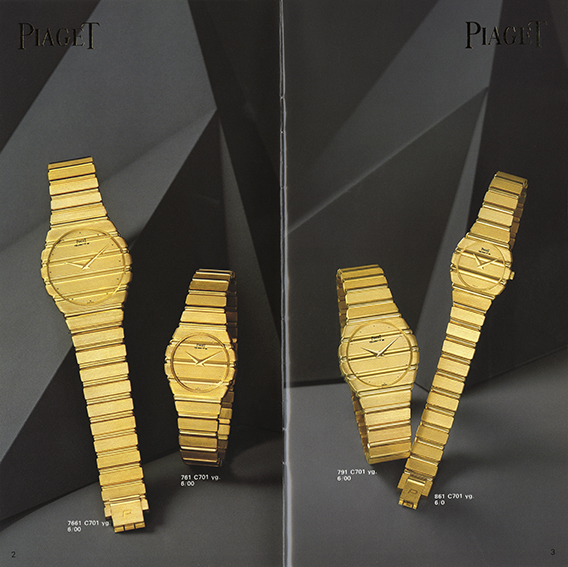
To understand it, it helps to look back. First introduced in 1979, the Polo stood apart as a solid gold sports watch with an integrated bracelet, defined by its signature gadroon motif. After being discontinued in the late ’80s, it returned in 2001 in a more contemporary form and continued to evolve. One key moment came in 2016 with the introduction of the Polo S, which brought a cushion-shaped case and a sportier character.
Since then, through 2023, the collection has expanded with more technical executions, from skeletonised designs to ultra-thin complications. That direction became clearer in 2024, when Piaget brought the Polo back into focus for its 150th anniversary.
The Piaget Polo Date carried forward the everyday side of the collection. It was reimagined in limited steel editions with rubber straps and subtle nods to the original gadroons. Meanwhile, the return of the Piaget Polo 79 tapped directly into its origins, reviving the full-gold design that first defined the Polo in 1979.
That direction became clearer in 2024, when Piaget brought the Polo back into sharper focus around its 150th anniversary. The Piaget Polo Date carried forward the dailybeater side of the collection. It was reimagined in limited steel editions with rubber straps and subtle nods to the original gadroons. Meanwhile, the return of the Piaget Polo 79 tapped directly into its origins, reviving the full-gold design that first defined the Polo in 1979.
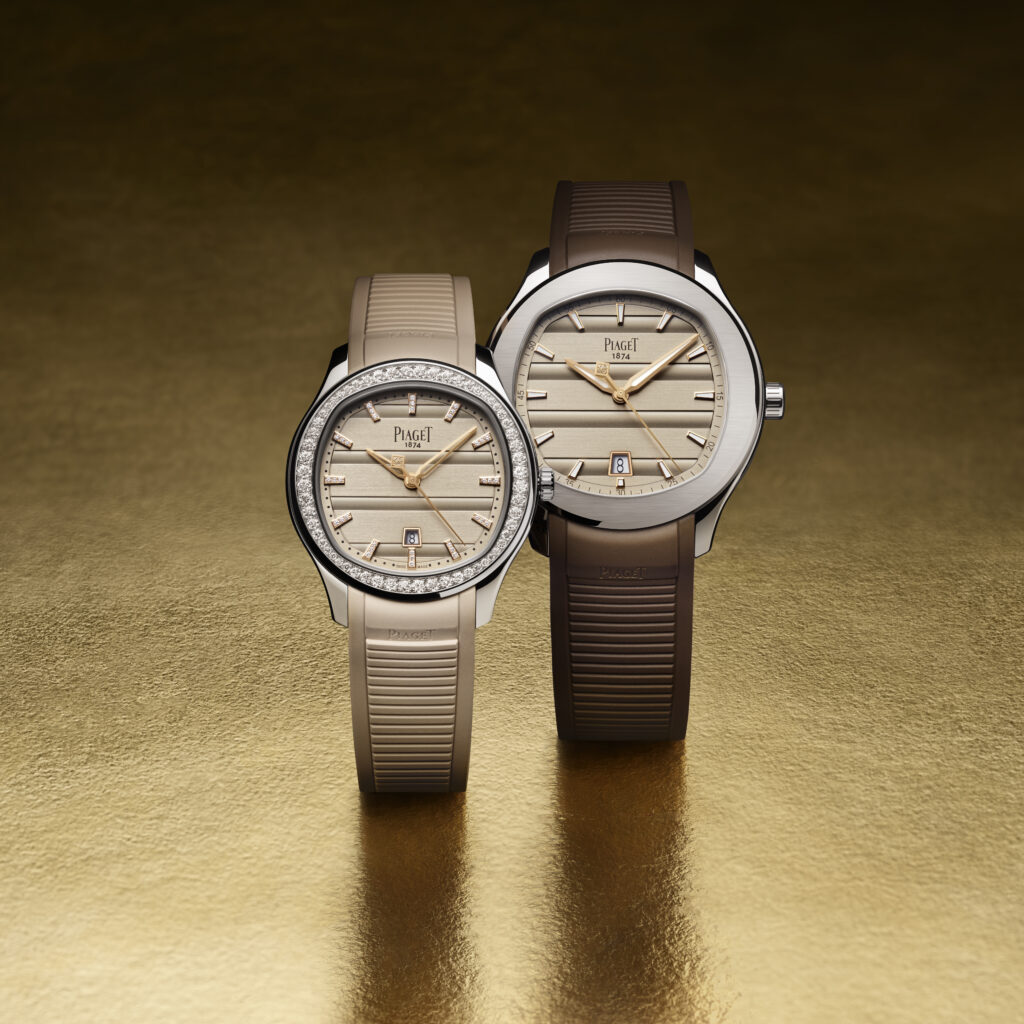
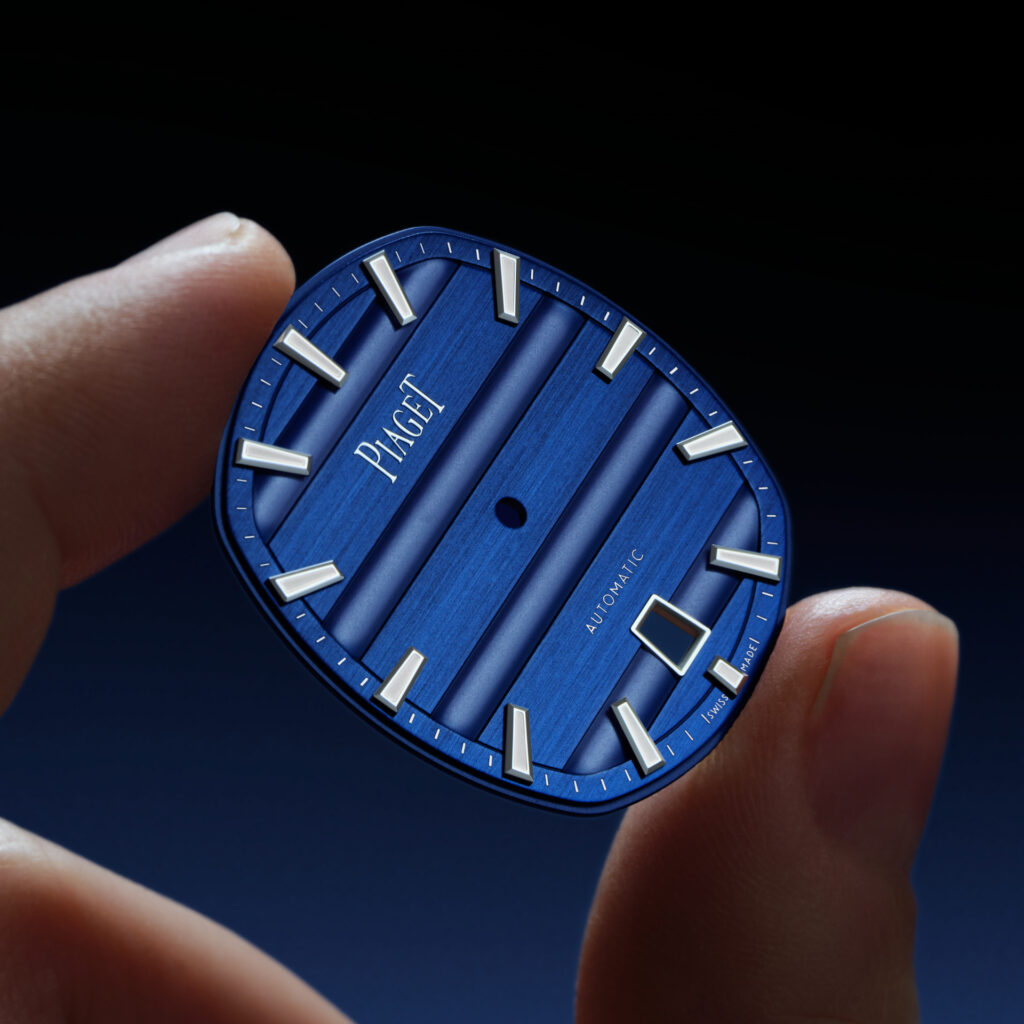
Together, they set the tone for how the collection evolves this year. The Piaget Polo 2026 lineup brings back both the Piaget Polo Date and Piaget Polo 79 with a more refined approach. For the Polo Date, the shift is subtle but clear. While the gadroons no longer run across the bracelet, they now appear on the dial, adding depth and texture.
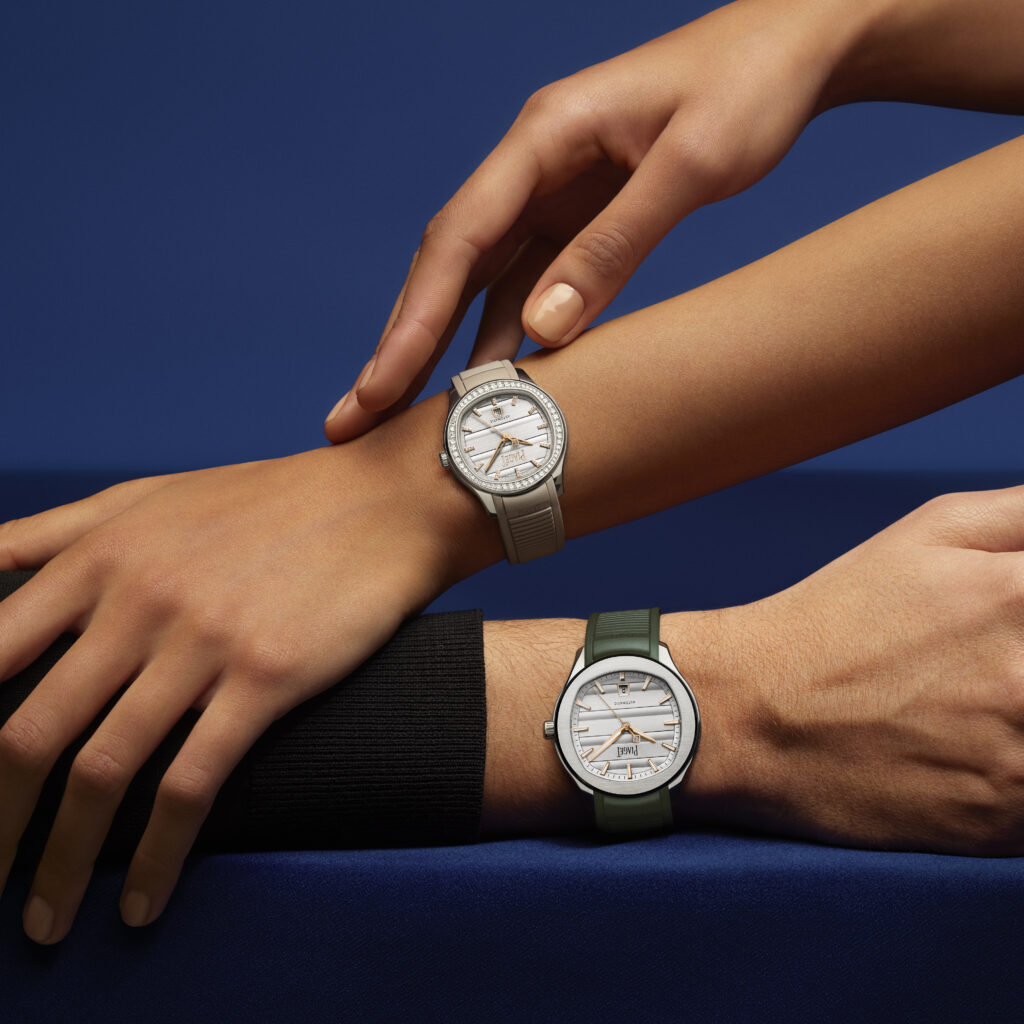
Designed for everyday wear, the collection returns in 36 mm and 42 mm formats. The 36 mm version features 96 brilliant-cut diamonds and a beige rubber strap. The 42 mm model comes in khaki green. Both share a silver-toned dial with rounded horizontal gadroons and a date at six o’clock. Building on the 2024 “his-and-hers” idea, the range expands with new silver and blue dial versions. These are available in stainless steel or 18k rose gold, with or without diamond-set details.
The blue-dial range becomes a key highlight of the Piaget Polo 2026 lineup. Six additional references extend the Polo Signature line across bracelet and strap options. The 42 mm models are powered by the automatic Calibre 1110P. They offer 100 metres of water resistance and improved legibility. The 36 mm versions use the ultra-thin calibre 500P1. They feature skeletonised hands and subtle luminous details.
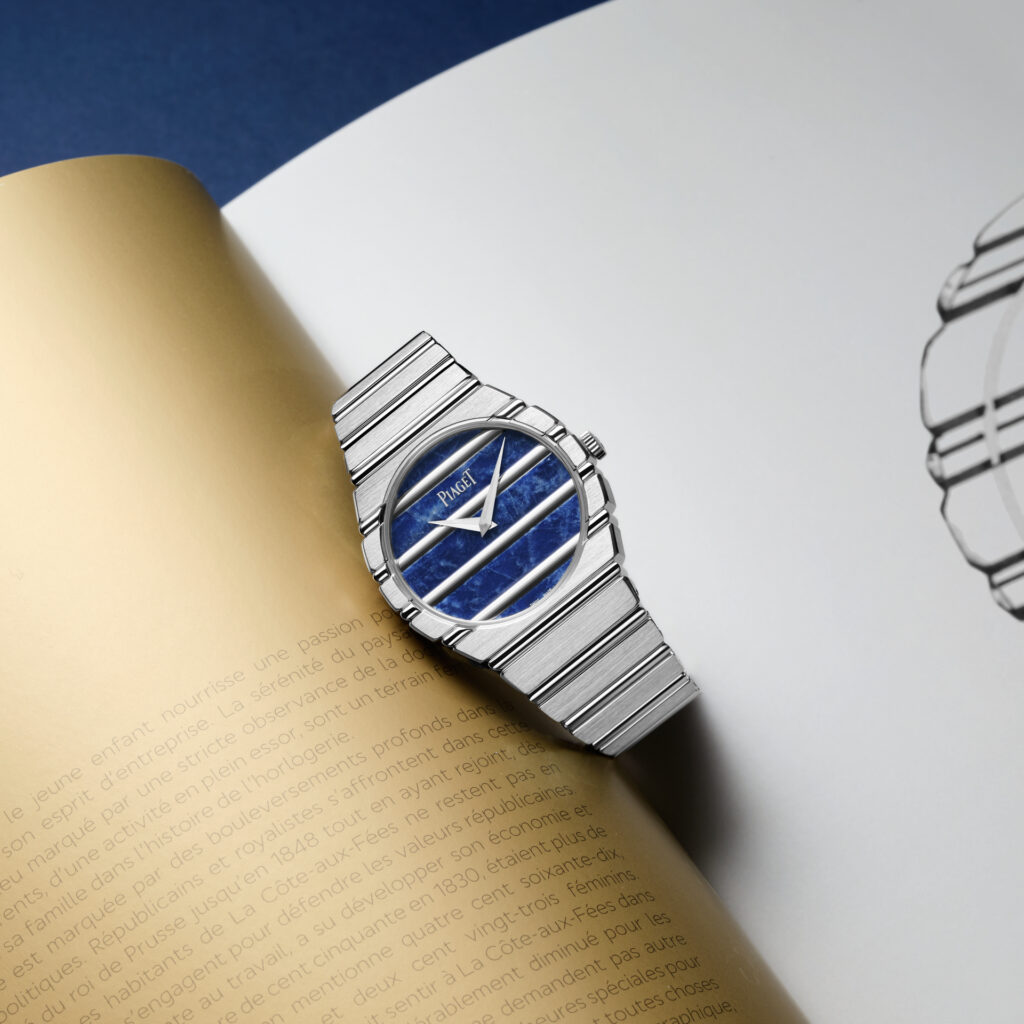
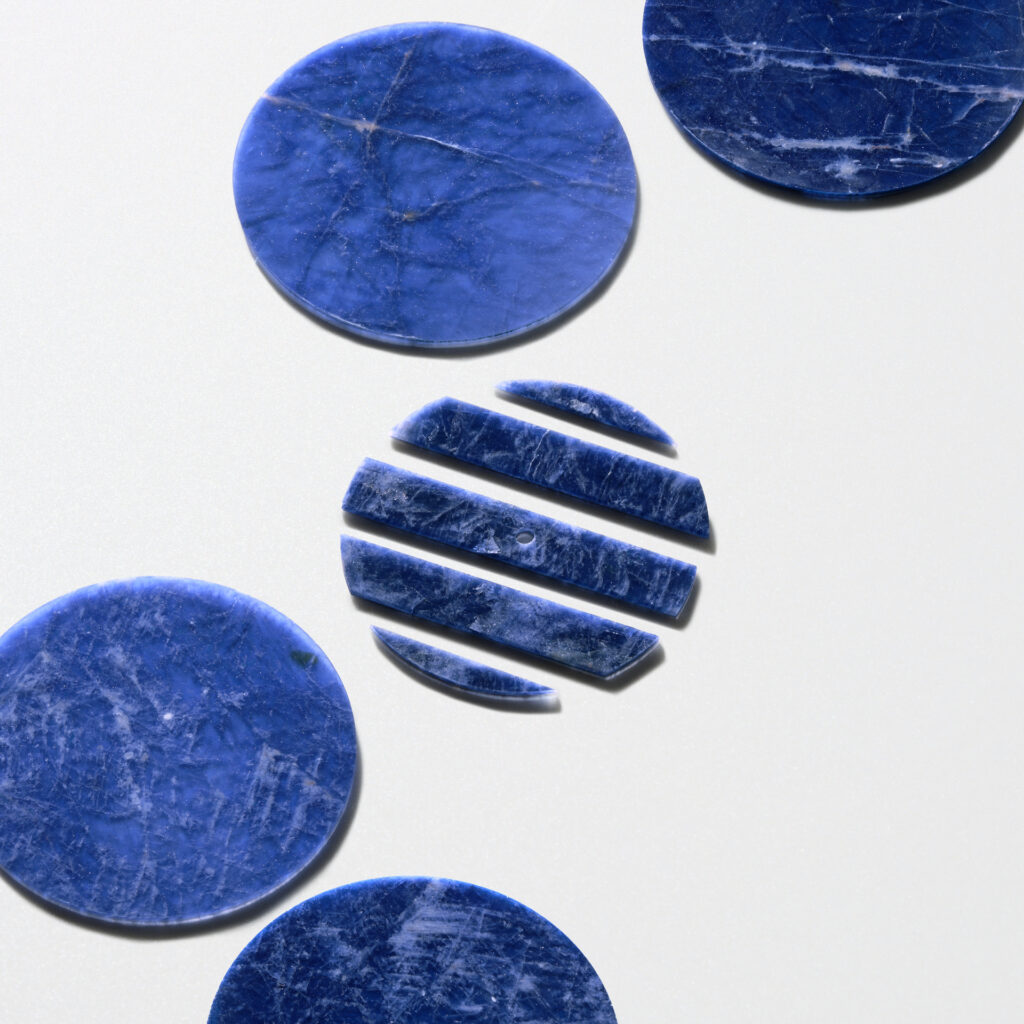
For the Piaget Polo 79, the story remains rooted in continuity. Since its return in 2024, the model has expanded from yellow gold to white gold and two-tone versions. It stays true to its original proportions and ultra-thin construction. This year, the evolution takes a more expressive turn with a sodalite dial.
This is the first time this stone appears in the modern Polo range. Its deep blue-grey tones contrast with the sculpted gadroons. Together, they reinforce the graphic identity that has defined the watch since 1979.
Rather than shifting direction, Piaget refines it. Both the Piaget Polo 79 and Piaget Polo Date are brought into clearer focus. Each evolves on its own terms while staying grounded in the codes that define the Polo.