A Scientist Rewriting Coexistence
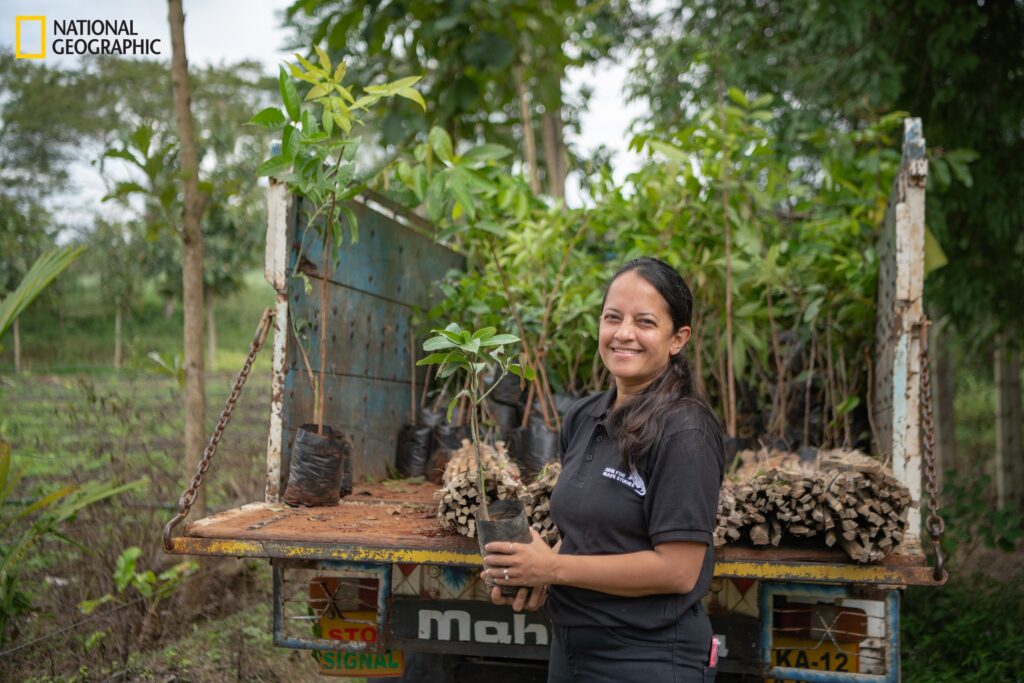
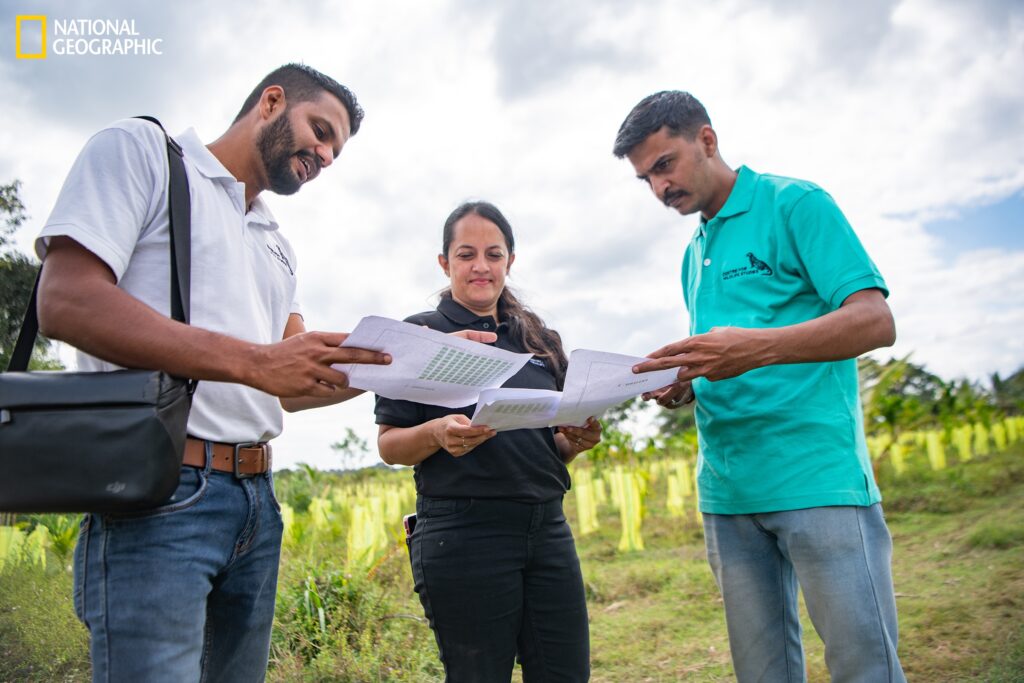
Start in India, with a conservation scientist named Krithi K. Karanth. Rather than lecture villagers about the value of tigers, she built them a lifeline. Her Wild Seve helpline lets a family report a lost goat or a trampled field and claim government compensation, and it has grown from a two-reserve pilot into a service covering dozens of reserves. It treats living alongside wildlife as a practical problem to be solved.
The scale of what she takes on is staggering. India holds most of the world’s remaining tigers and a huge share of its Asian elephants, yet barely a twentieth of the country is set aside for them. With people and big animals pressed together, roughly 100,000 clashes are logged every year. Karanth has been in this world since childhood, tracking big cats beside her biologist father long before she turned it into science.
That work has now earned her the 2026 title of Rolex National Geographic Explorer of the Year, given each year to explorers whose storytelling pushes the world to act. She was already a Rolex Awards laureate, and her classroom programme has since carried the message to tens of thousands of rural children. Her ambition is openly global, a model that could just as easily shield jaguars in South America or lions in Africa.
From Everest to a Museum
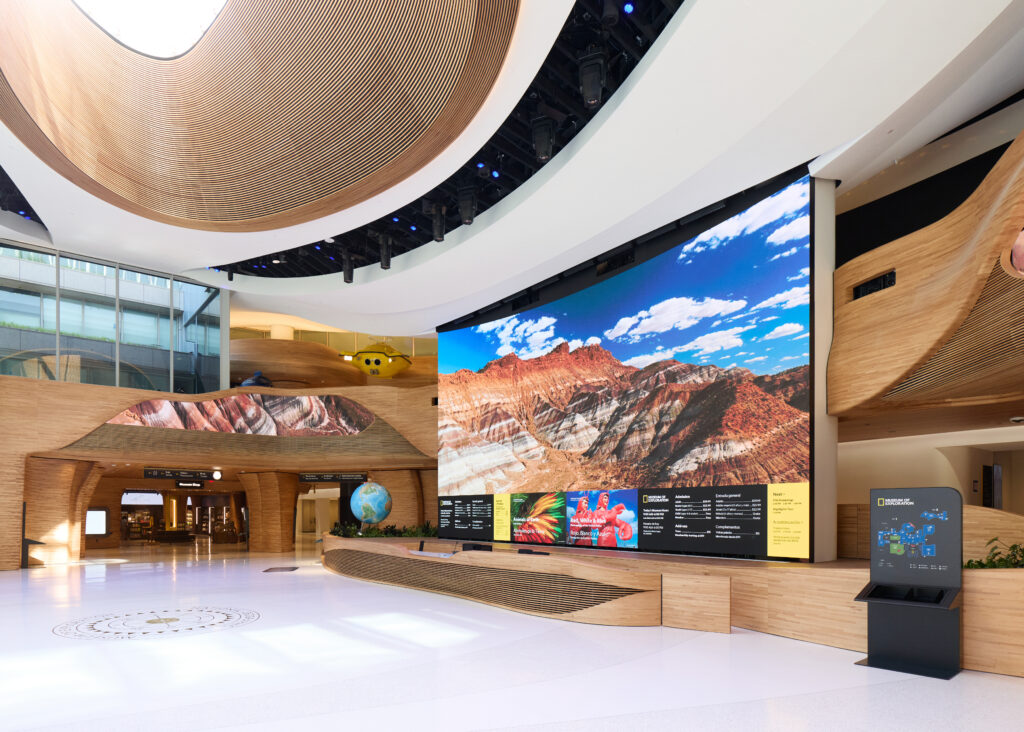
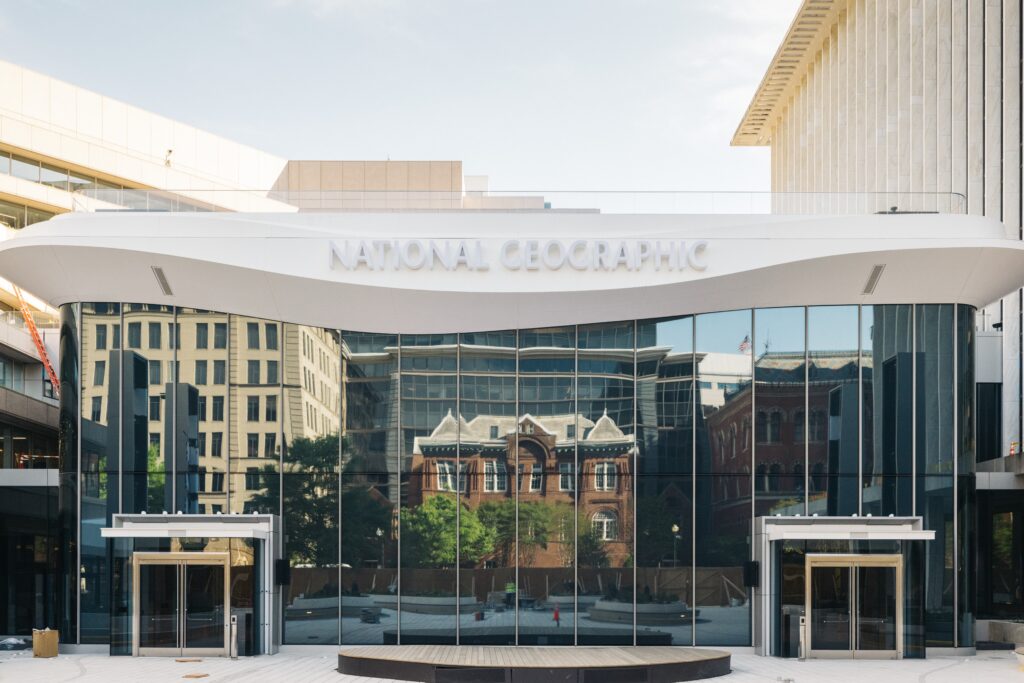
Then travel to Washington, where the story takes a very different shape. National Geographic has turned its headquarters into a sprawling campus called Base Camp, the biggest expansion in its history, and Rolex has helped fund it as a founding donor. At the centre stands a new public museum given over entirely to exploration.
The point is to let ordinary visitors feel the pull of the field. Inside, a section called the Rolex Explorers Landing walks people through the arc of an expedition, from the first flicker of an idea to its effect on the world. One display holds the pressurised suit Sylvia Earle wore in 1979 for the deepest untethered walk on the sea floor, a reminder that some frontiers are watery rather than icy.
What keeps it from feeling like a museum of the past is a rail that streams findings almost live from the Perpetual Planet Expeditions, the research missions Rolex and National Geographic run together. For a brand that once kitted out a single climb, paying for a permanent stage for science is a quiet statement about legacy. Flags get planted and forgotten. Keeping the planet worth exploring may prove the harder win.