TAG Heuer: Master of Chronographs at the heart of its legacy

TAG Heuer celebrates its rich history in precision timekeeping with the iconic chronograph
Short on time? Access a brief summary.
Short on time?
Access a brief summary.

For more than 165 years, TAG Heuer has been on a quest to record time in the most accurate and reliable way. Through the decades, it has patented chronograph innovations and cutting-edge technologies, becoming a witness to moments of time when super-performers have outperformed themselves. It has recorded the feats of astronaut John Glenn, daring engineer Auguste Piccard, as well as the legendary racing speeds of drivers Ayrton Senna and Max Verstappen, just to name a few. The watchmaker of firsts for the chronograph, TAG Heuer commemorates particular periods in its history that led to its modern moniker of master of chronographs.

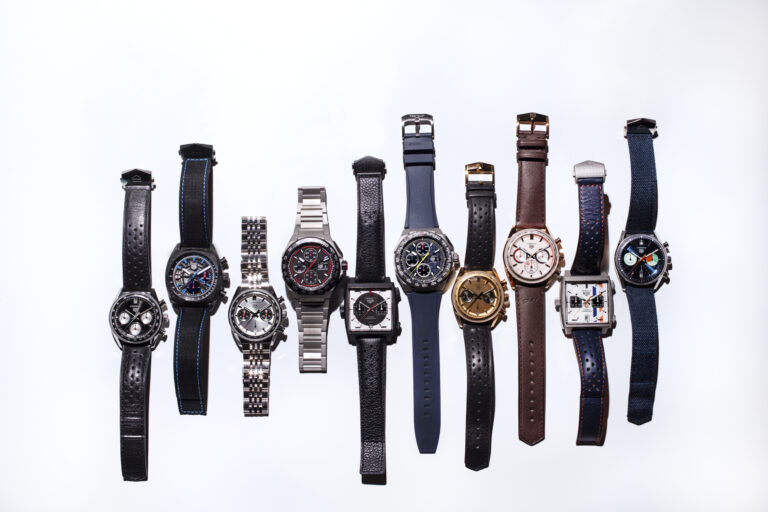
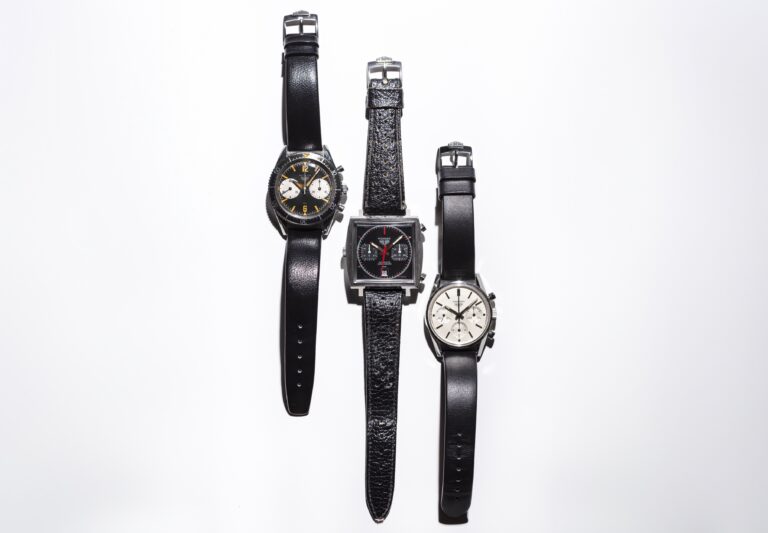
Over the years, TAG Heuer has proven itself as a true pioneer of precision timekeeping. Pictured here are the Carrera, Monaco and Autavia

A groundbreaking innovator, the company was initially established in 1860 as Heuer by Edouard Heuer and was focused on innovations, to craft watches that were more reliable and precise than other watchmakers. Fully committed to its cause, the Swiss brand forged on, armed with an innovative spirit that has defined its legacy in watchmaking.


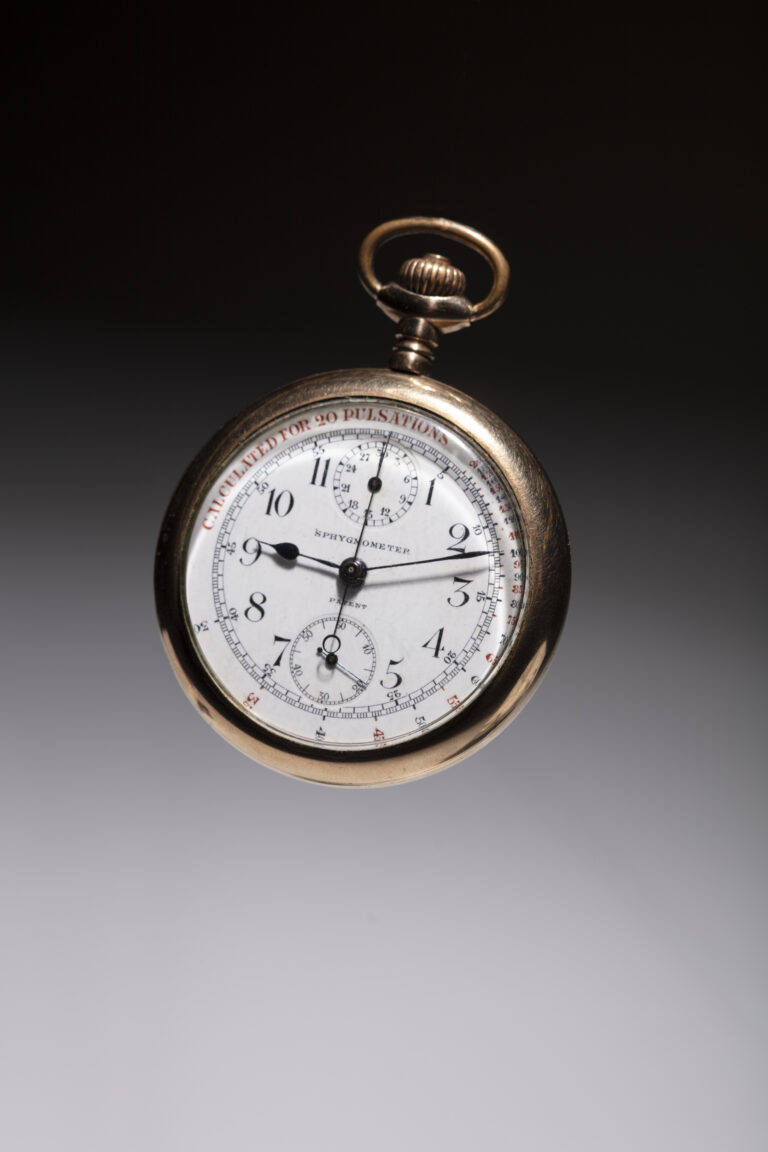
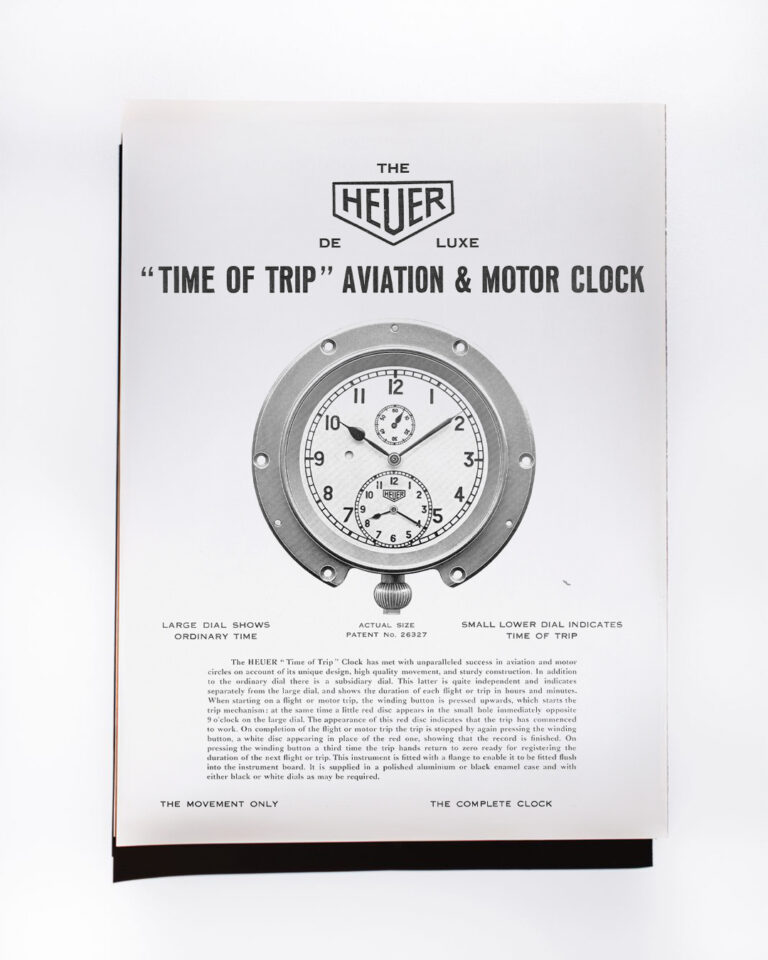
From its inception, its eponymous founder was focused on setting the manufacture apart. He did this primarily by using patented technologies, allowing him to redefine the industry, establishing Heuer as a pioneer and specialist of the chronograph. In 1887, it patented the oscillating pinion, and introduced other patented breakthroughs such as a moisture-proof case and a keyless winding system. In 1908, the Sphygmometer was released and included all these features. Three years later, the first dashboard-mounted chronograph was presented. Dubbed “Time of Trip,” it was designed to be installed on car dashboards, not only to display the time on the main dial, but also to record the duration of the journey. A revolutionary invention, “Time of Trip” was considered a great success in aviation and motor circles.

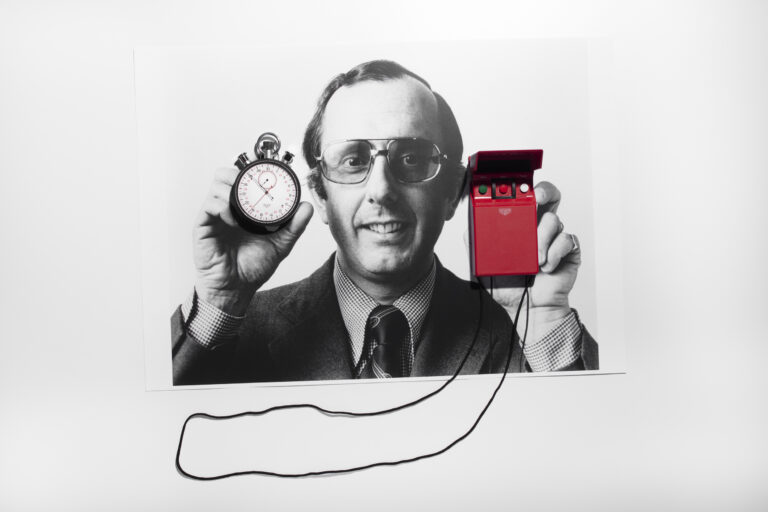
Jack Heuer served as the driving force behind Heuer's development of the chronograph
The Sphygmometer was one of Heuer's patented breakthroughs, 1908

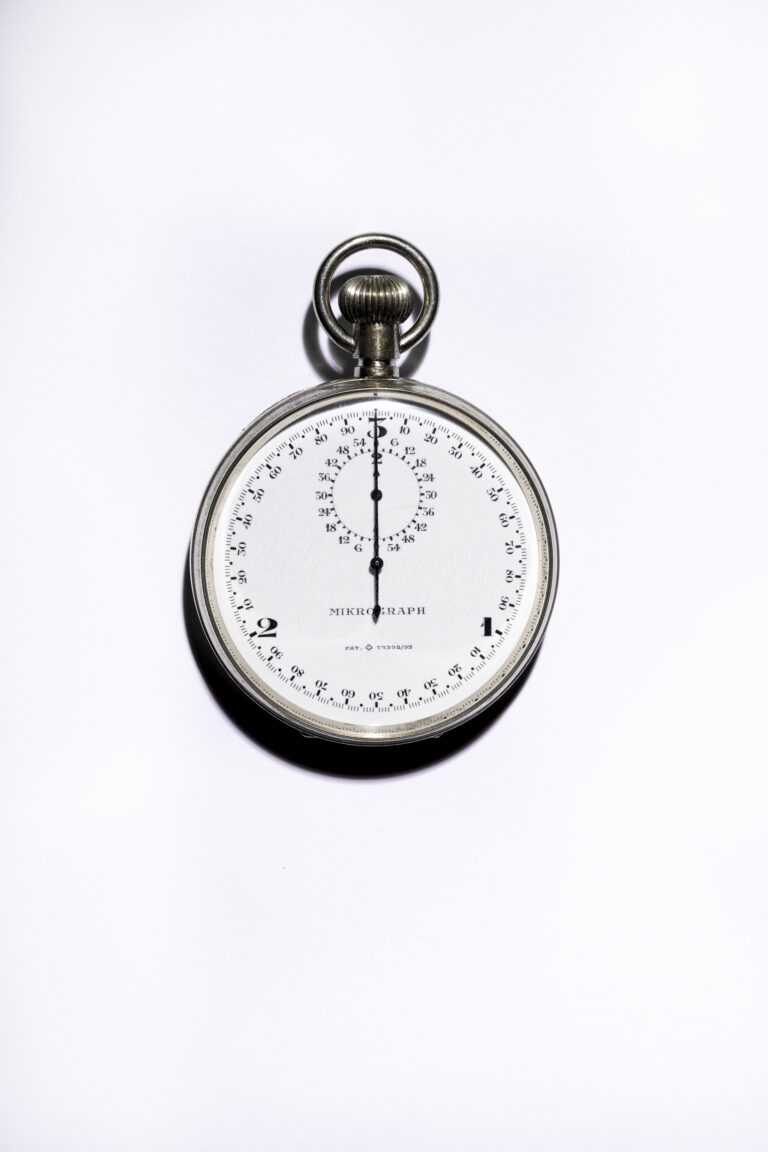
In the early 20th century, Heuer revolutionised precision timekeeping with the launch of the Mikrograph, the first stopwatch capable of measuring 1/100th of a second. This state-of-the-art invention quickly became the standard in sports timing. This was followed by the Autavia, launched in 1933, which quickly became a cockpit and car essential. A product of the brand’s success with its early dashboard timers, the Autavia—the name of which is derived from the blending of two words, “AUTOMOBILE” and “AVIATION”—was paired with the Hervue eight-day clock.

Time of Trip advertisement, 1911

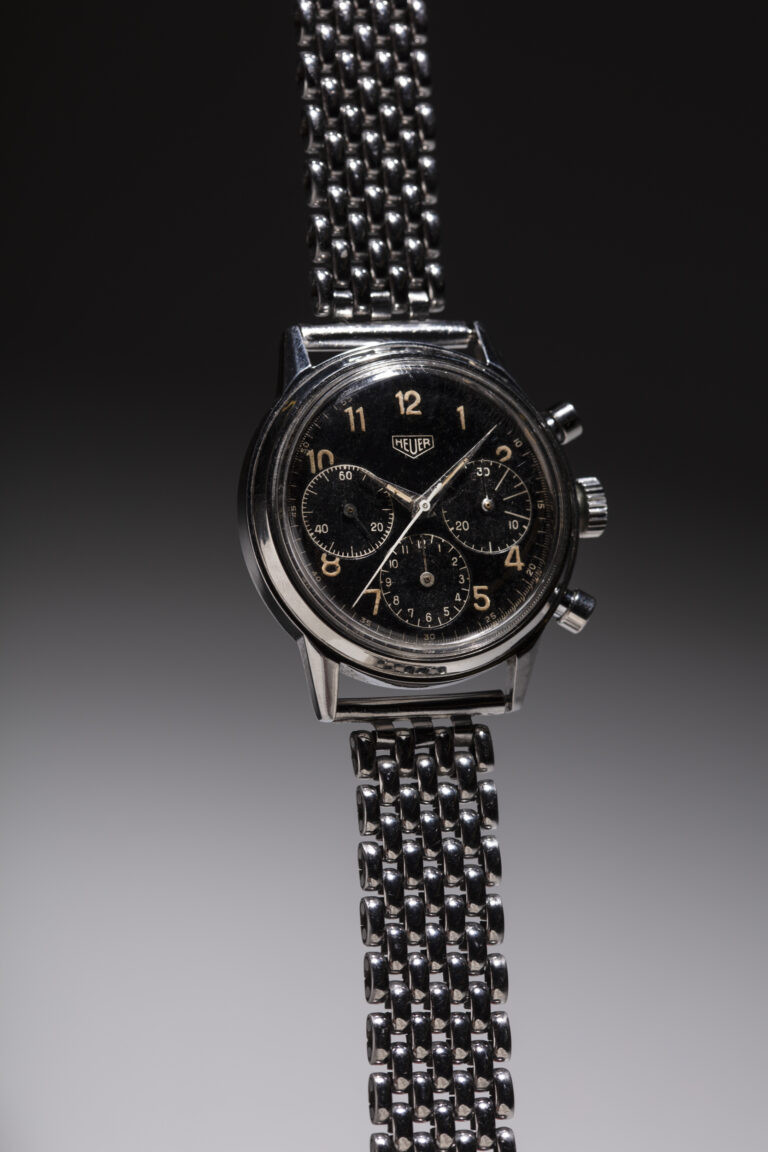
Eventually, the focus of timekeeping moved out of the airplane or the car and on to the wrist. Heuer introduced the arrival of the utilitarian wristwatch in the 1940s, setting the foundations of the modern sports chronograph. Rendered in larger cases, complete with luminous dials, bigger crowns and pushers, improved legibility, usability, and durability, these predecessors define the design codes we see on watches today. This was followed by a substantial shift in Heuer in the 1950s, as it opted to stop making time-only models and focused on chronographs in a bid to strengthen its reputation as a leader in timekeeping. Along with this change, the brand also presented a new, modern design language and technical improvements, some of which served as a foundation for its future watchmaking icons.

The first utilitarian wristwatch preceding the modern chronograph, 1940s

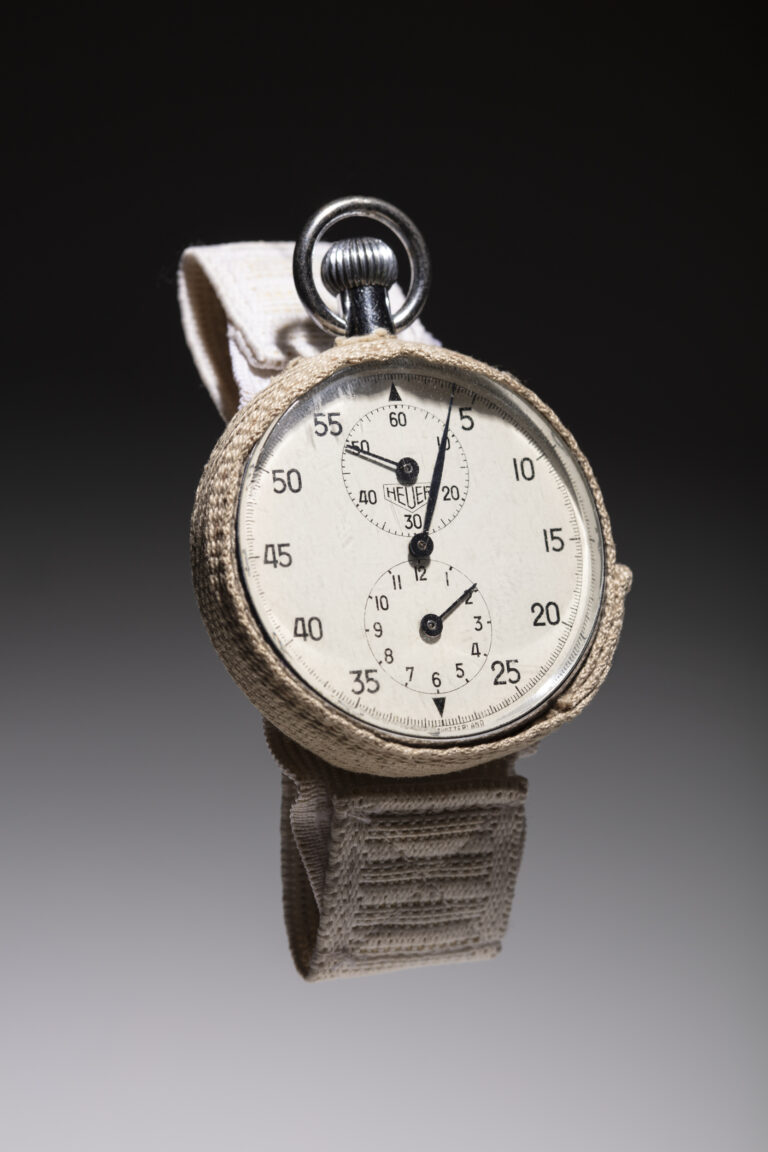
The 1960s was a particularly busy one for Heuer as it created the first Swiss watch in space, a Heuer stopwatch (ref. 2915A), worn by American astronaut John Glenn, during his Mercury flight. In 1963, Jack Heuer, scion of the Heuer family, unveiled the Heuer Carrera, a timepiece whose name was inspired by the legendary Carrera Panamericana race. With its clear design that allowed drivers to see the time and their speed at a glance, the model enabled drivers to perform well during their defining moments.

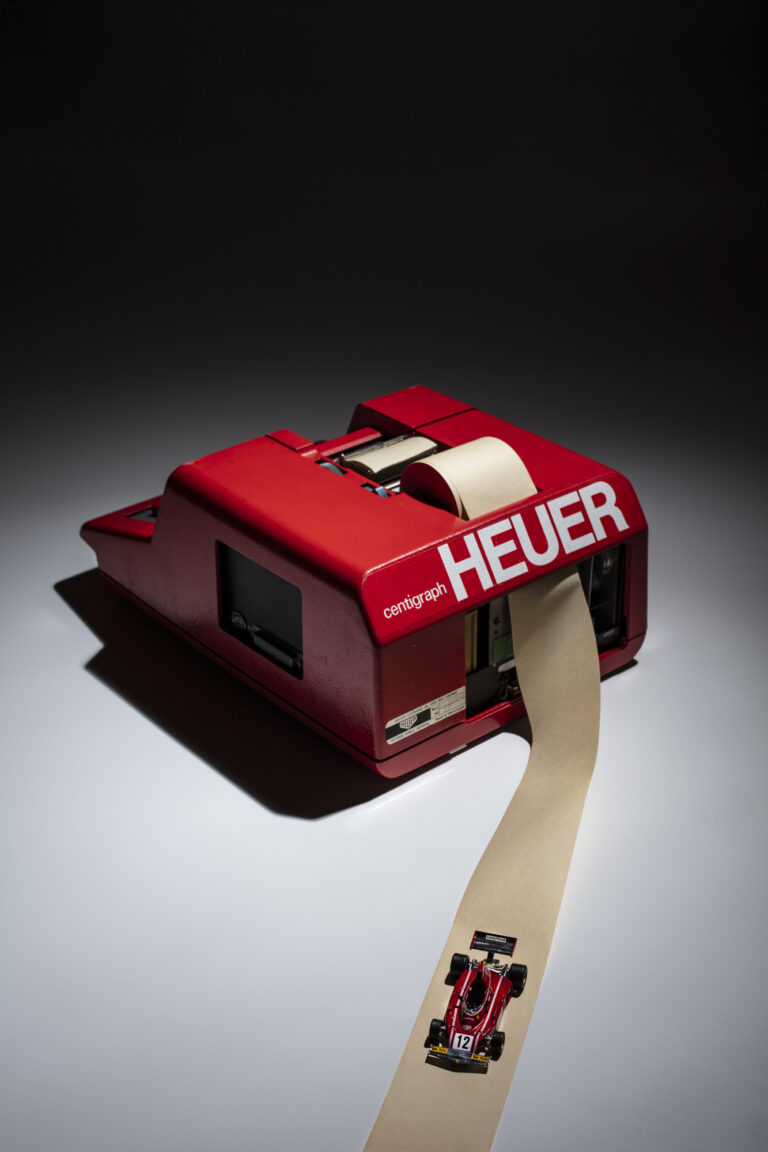
Guided by the legacy of its founding family and ever intent on further developing accuracy, the brand revealed the Heuer Microtimer, the first entirely electronic timer giving direct read-out of the time in 1/1000th of a second, in 1966. As it slowly mastered the precise art of timekeeping, Heuer also began collaborating with high performance sports to push the limits of time even further. The Swiss manufacture formed a relationship with Scuderia Ferrari to equip its test track with the most advanced timing technology of the era, the Le Mans Centigraph, capable of 1/1000th-second precision. Whether at Ferrari’s Fiorano test track or travelling the world with timing specialist, Jean Campiche, the Le Mans Centigraph was proof that Heuer pioneered an instrument that could surpass the limits of motorsport.

Heuer stopwatch (ref. 2915A), worn by astronaut Scott Glenn, on his Mercury flight in 1962

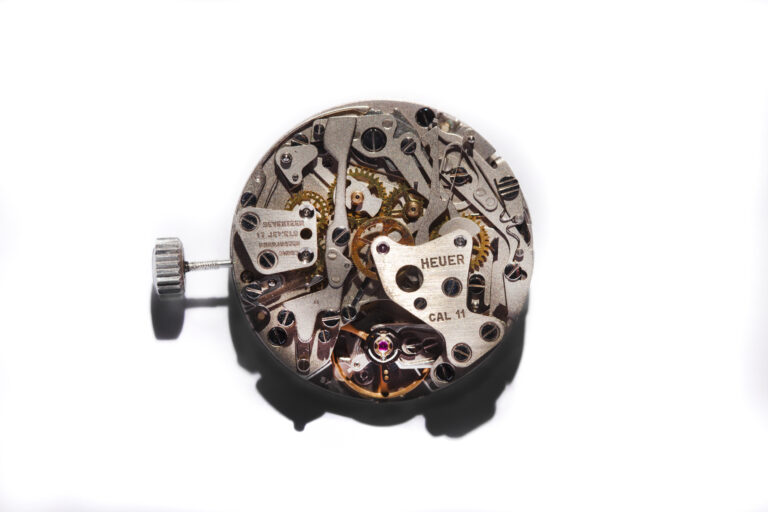
In 1969, Heuer marked the creation of Calibre 11, which revolutionised watchmaking as the first automatic chronograph. Powering the Heuer Monaco (ref. 1133B), as immortalised by Steve McQueen in the racing movie “Le Mans,” Calibre 11 ushered in the first automatic chronographs and marked a veritable turning point in haute horlogerie. Driven by the Heuer scion’s love for racing and armed with the objective to break the limits of motorsport, Jack Heuer created the brand’s first 18-carat gold Carrera (ref. 1158 CHN). With its lavish gold design and Calibre 11 movement, the timepiece served as a symbol of success and accomplishment, as it was given by the affable CEO to Ferrari drivers in the early 1970s.

Calibre 11 movement, the first automatic chronograph, 1969

Following the achievement of measuring time to 1/100th-second accuracy, Heuer was inspired to envision a more personal application by bringing this precision to the wrist with the Chronosplit, effectively miniaturising professional timekeeping for athletes everywhere. This accomplishment greatly changed the landscape of watchmaking as it harnessed human potential not only to read the time, but also to manage it, control it. With the Chronosplit, Heuer brought the challenge to athletes, allowing them to hone their skills while effectively managing time, even mastering it, completely on their own.

Heuer equipped Scuderia Ferrari with the most advanced timing technology of that era, the Le Mans Centigraph, 1971

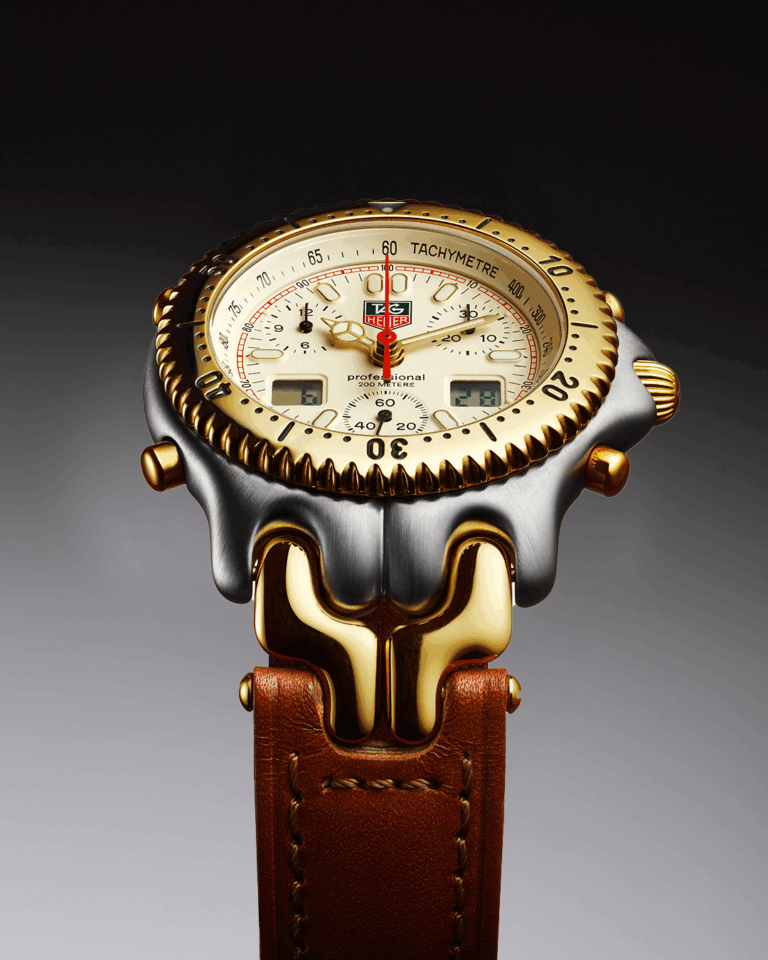
The year 1985 was an important one as it was when Heuer was renamed as TAG Heuer. In addition, it was around this time that the brand presented the TAG Heuer Formula 1 collection. As an extension of its ties with the world of racing, the line expanded with a chronograph version and inevitably became a cultural symbol, famously worn by the McLaren Formula 1® team, most notably by Ayrton Senna in 1991. However, this was not the only timepiece associated with the famed F1 driver. In 1989, Senna was seen sporting the S/EL chronograph (ref. S25.706C), with S/EL standing for Sport/Elegant, a two-tone 1/10th of a second split-seconds watch chronograph. Because of this the S/EL became a global icon of mental strength, performance and style.

TAG Heuer S/EL chronograph (ref. S25.706C), 1989

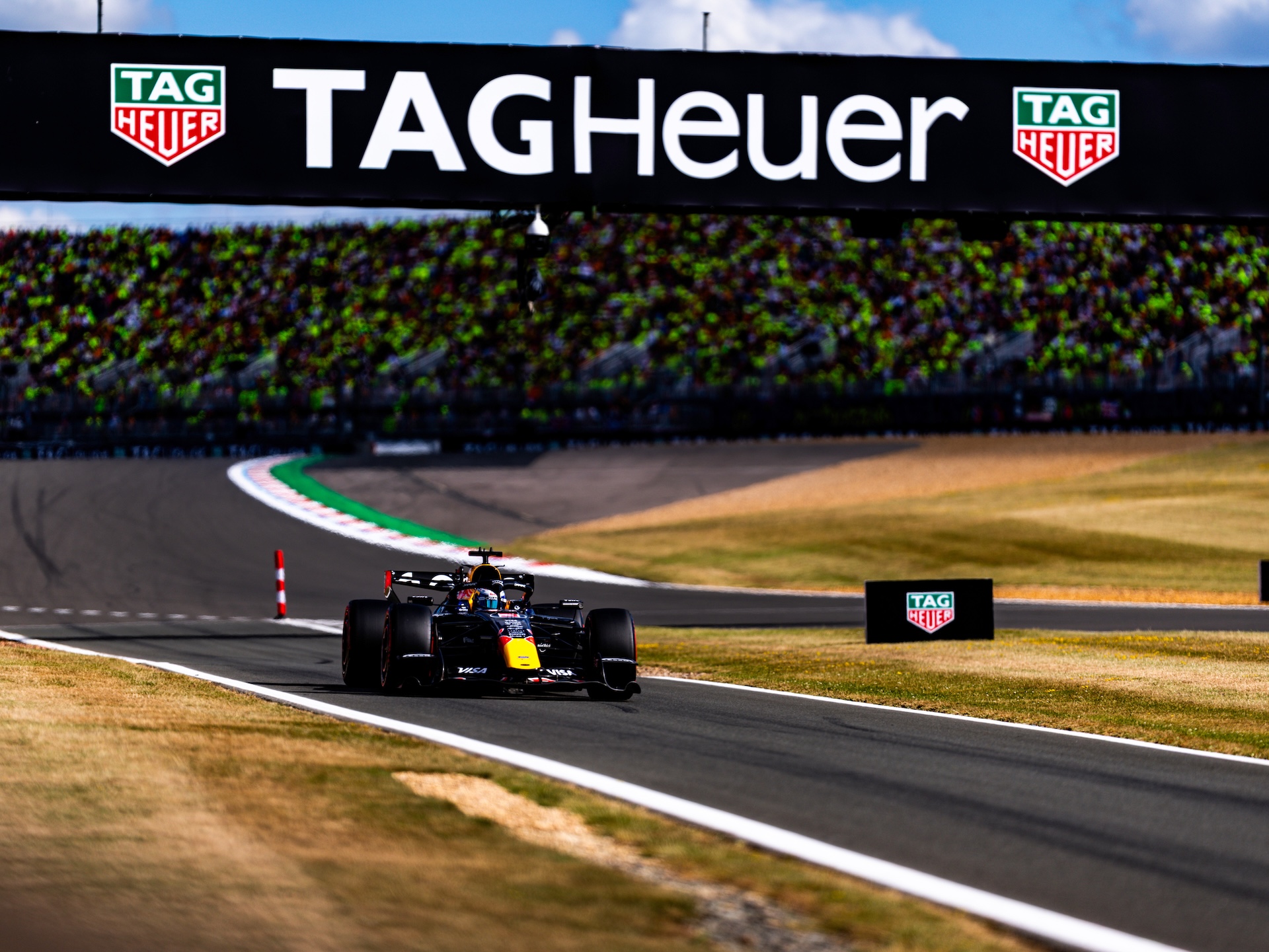
By 1992, TAG Heuer further cemented its ties with motor racing by becoming the Official Timekeeper of Formula 1®, extending more than a century of expertise to the sport’s ultimate stage. In the same year, the Swiss watchmaker unveiled the Series 6000, which was worn by champions including none other than Michael Schumacher. This momentous era not only showcased TAG Heuer’s prowess in watchmaking, it also served as proof that the brand’s chronographs do more than measure time—they embody excellence, resilience and the daring required to win at the highest level. In 2025, TAG Heuer officially returned as the Official Timekeeper of Formula 1®.

Since the 19th century, TAG Heuer has championed the creation and development of the chronograph

TAG Heuer’s mastery of timekeeping is now not only focused on motorsport, it has since extended to numerous other sports including running, skiing, equestrian sports, and sailing, just to name a few. In 2003, the Aquagraph became the first chronograph designed to be fully functional underwater. Engineered for professional divers, the watch featured uncompromising water resistance and pushers that could be safely operated at substantial depths. The next year, the brand once again took precision to an entirely new level by capturing and officially recording an astonishing 1/10,000th of a second at one of the world’s greatest sporting events, the Indy 500.


Eight years later, in 2012, TAG Heuer exceeded expectations once more with the first mechanical wristwatch to record 5/10,000th of a second. A wonderful achievement, with an unbeaten record, the timepiece dubbed the Mikrogirder operates an extraordinary 7,200 vibrations per hour. Its exceptional precision can be attributed to the replacement of the traditional balance wheel with a groundbreaking oscillating blade, vibrating at a tiny angle of deflection to achieve such speed. Because of its unparalleled innovative nature, the Mikrogirder was awarded the Grand Prix d’Horlogerie de Genéve’s highest honour.
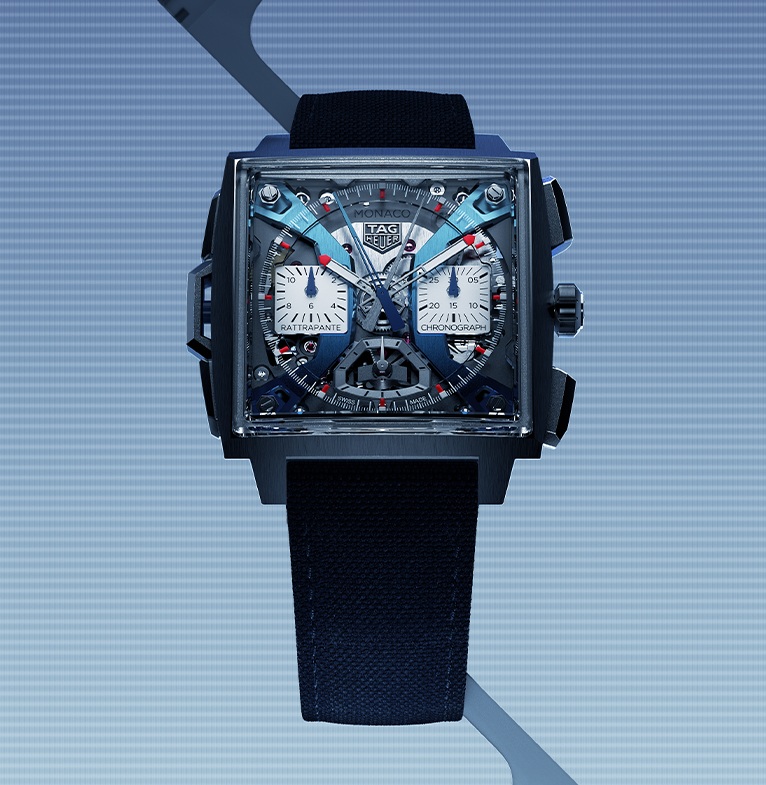
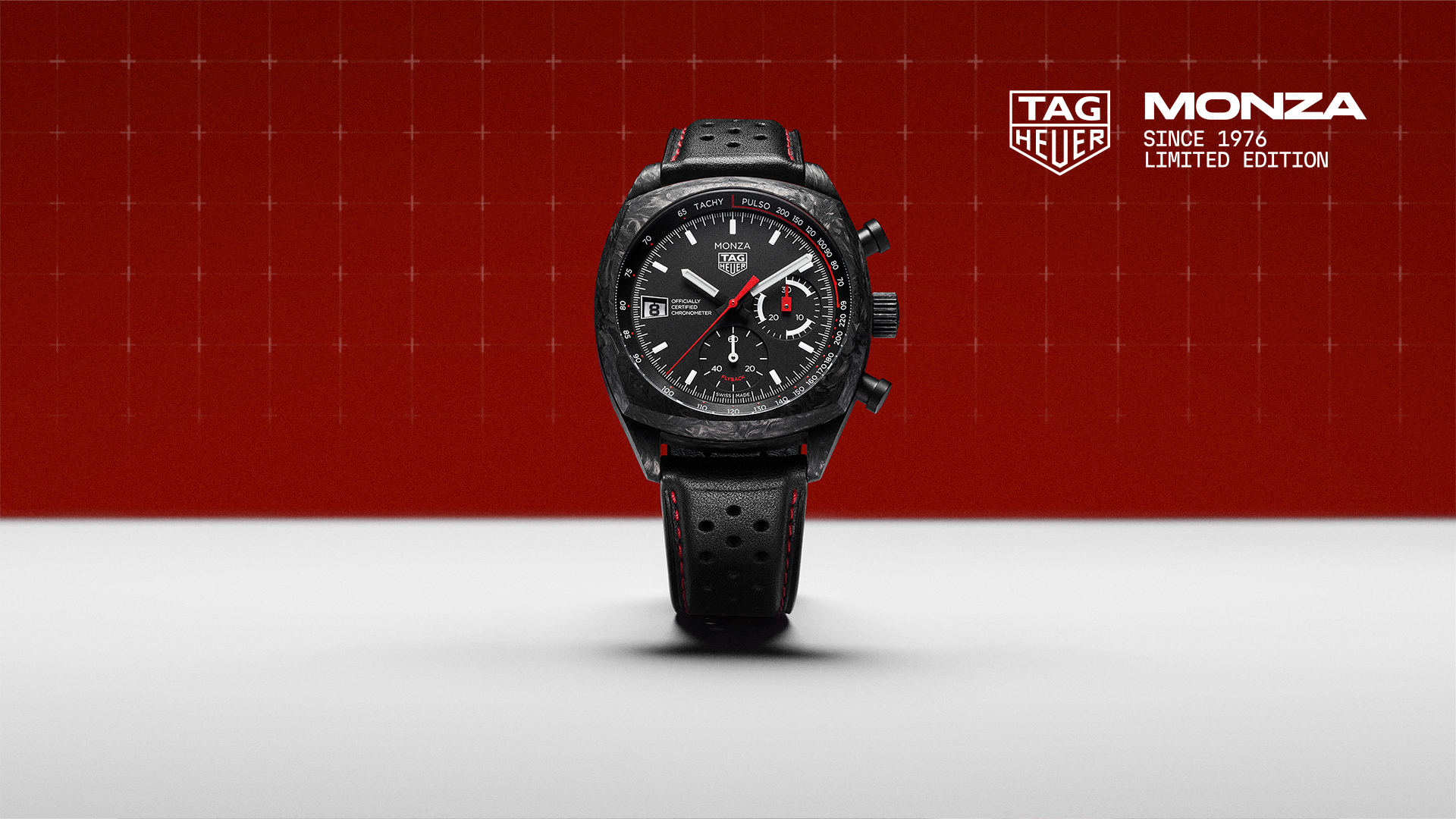
The TAG Heuer Monaco Spit-Seconds Chronograph, 2024

Redefining what is possible, TAG Heuer continues to develop chronograph performance through constant innovation in movements and materials. This is evident in the products that come out of the TAG Heuer LAB, such as the TAG Heuer Monaco Split-Seconds Chronograph, which is made out of TH-Titanium, a proprietary lightweight alloy. This new timepiece is equipped with the TH-Carbonspring, an oscillator that significantly improves environmental resistance and long-term stability of the watch. The result of a decade of research and development, the model is powered by Calibre TH81-00, an ultra-light automatic movement with 365 components. Made entirely of titanium, the movement weighs a mere 30 grams, making it one of the lightest and most precise chronographs ever created.


Truly a pioneer of chronographs, TAG Heuer is intent on creating ever more accurate watches that will no doubt enhance human potential. With its more than a century expertise in precision watchmaking, the avant-garde brand has actively shaped the past, present and future of high-performance timekeeping.

#ReadAnywhere

Issue #101

Your next read

The TAG Heuer Monaco Speed 12 Puts a V12 on the Wrist

The Monaco Speed 12 turns TAG Heuer's square icon into a twelve-cylinder engine for the wrist.

Ami d’Eté: A Summer Wardrobe Inspired by the French Riviera

AMI Paris channels the spirit of the French Riviera through Ami d’Été, a summer wardrobe unveiled alongside the house’s 15th anniversary.

The Many Shapes of Cartier at Watches and Wonders 2026

From vintage-inspired purist pieces to rugged tool watches and technically ambitious complications, Panerai’s latest lineup explores three distinct personalities while staying firmly rooted in its military heritage.
Issue #

TAG Heuer: Sean Gelael and Hana Malasan on Love, Support, and Staying Grounded

Sean Gelael and Hana Malasan may move through very different worlds, but their relationship is shaped by the same quiet constants: reliability, understanding, and simplicity. From endurance racing to acting, they speak about ambition, support, and the small gestures that keep them grounded together.
Issue #

TAG Heuer: New Monaco Chronograph and Evergraph in Watches & Wonders 2026

TAG Heuer redefines the Monaco through the new Monaco Chronograph and the revolutionary Monaco Evergraph.
Issue #

TAG Heuer: Celebrating Mother’s Day in Elegance

TAG Heuer marked Mother’s Day with a private viewing of its latest ladies’ watch collection and a fragrance discovery by Guerlain
Summary

TAG Heuer: Master of Chronographs at the heart of its legacy

  • For over 165 years, TAG Heuer has defined itself as the "Master of Chronographs," blending Swiss heritage with extreme precision.
  • Founded by Edouard Heuer in 1860, the brand pioneered essential technologies like the 1887 oscillating pinion and the 1911 "Time of Trip" dashboard timer.
  • In 1916, the Mikrograph became the first stopwatch to measure 1/100th of a second. By 1966, the Microtimer reached 1/1000th-second accuracy.
  • The 1960s saw the birth of the Carrera for racing legibility and the Monaco, which featured the Calibre 11—the first automatic chronograph movement.
  • Heuer was the first Swiss watch in space (1962) and has timed legends like Ayrton Senna.
  • Rebranded as TAG Heuer in 1985, the company continues to innovate with underwater chronographs like the Aquagraph and serves as the Official Timekeeper of Formula 1®.
  • From timing the Indy 500 to the wrists of astronauts, TAG Heuer’s collections represent a legacy of performance.