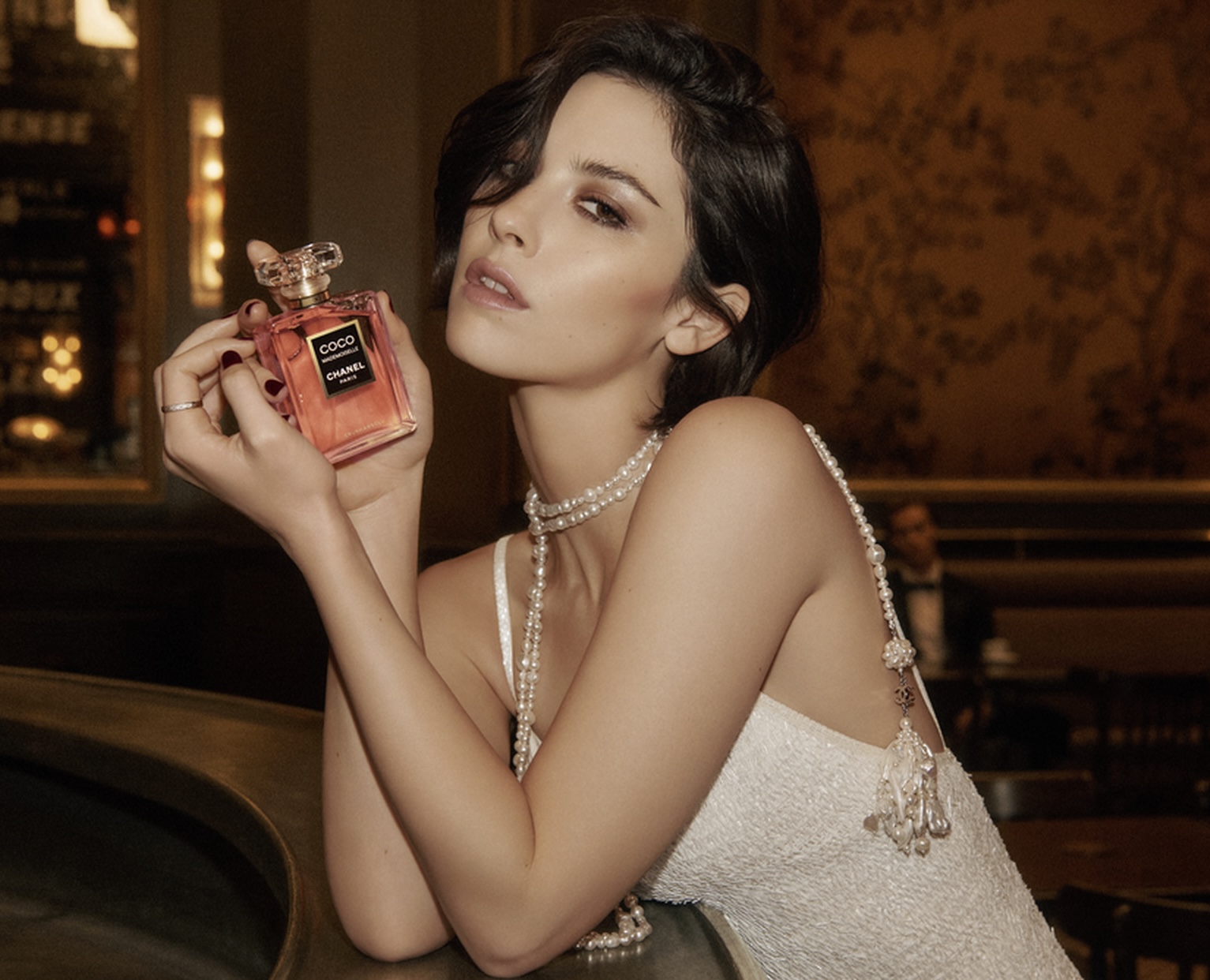

In the lexicon of fashion history, few names carry the weight of Gabrielle “Coco” Chanel. She did not merely design clothes; she dismantled the cage of 19th-century femininity and replaced it with a wardrobe of freedom. From the moment she borrowed jersey from the male wardrobe to the introduction of the Little Black Dress, Chanel was the original trendsetter. Her genius lay in a radical pragmatism—she pilfered the wardrobes of her lovers, most notably the English polo player Arthur “Boy” Capel, to create a style that was equal parts seductive and sensible. It is this legacy of “borrowed” power and romantic utility that forms the beating heart of the brand’s newest chapter.
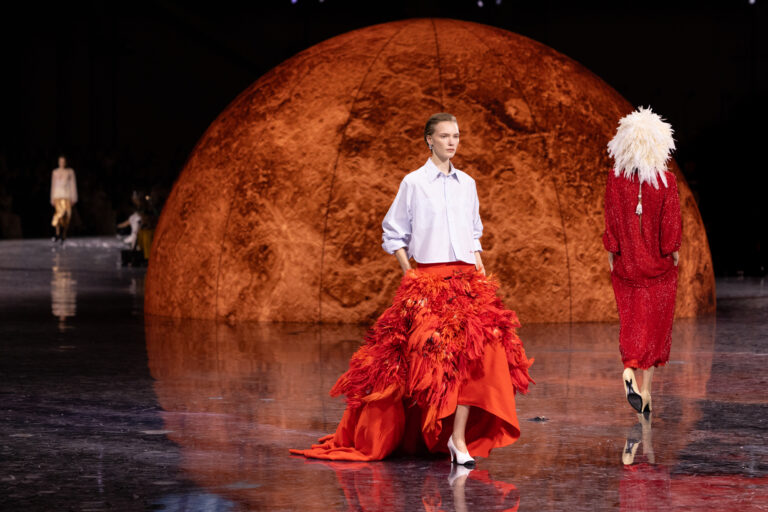
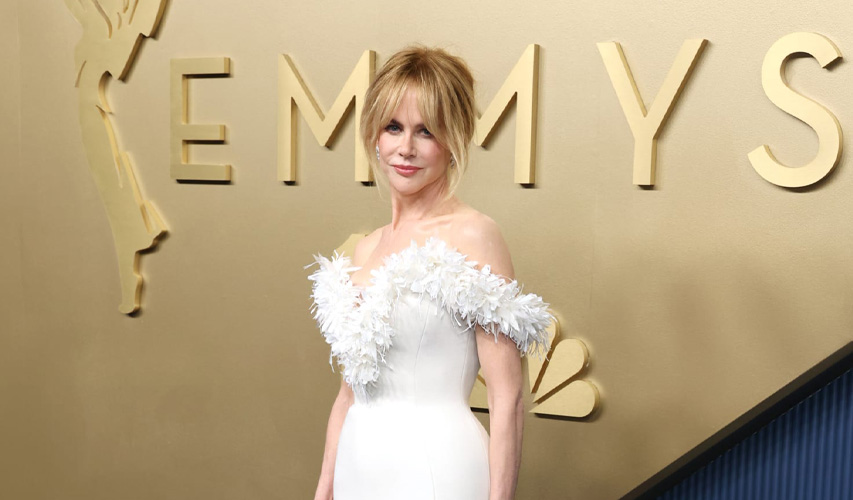
It was Monday night in Paris, and CHANEL was the last major show at the Paris Fashion Week. Celebrities, muses, clients and industry icons, all gathered inside the recently renovated Grand Palais, which had been transformed into a planetarium symbolising the “Universe of CHANEL.” The air was thick with anticipation as Matthieu Blazy unveiled his debut Ready-to-Wear collection for CHANEL Spring/Summer 2026. At around 8:14 p.m., audiences finally got to see what Blazy has been working on these past 10 months.
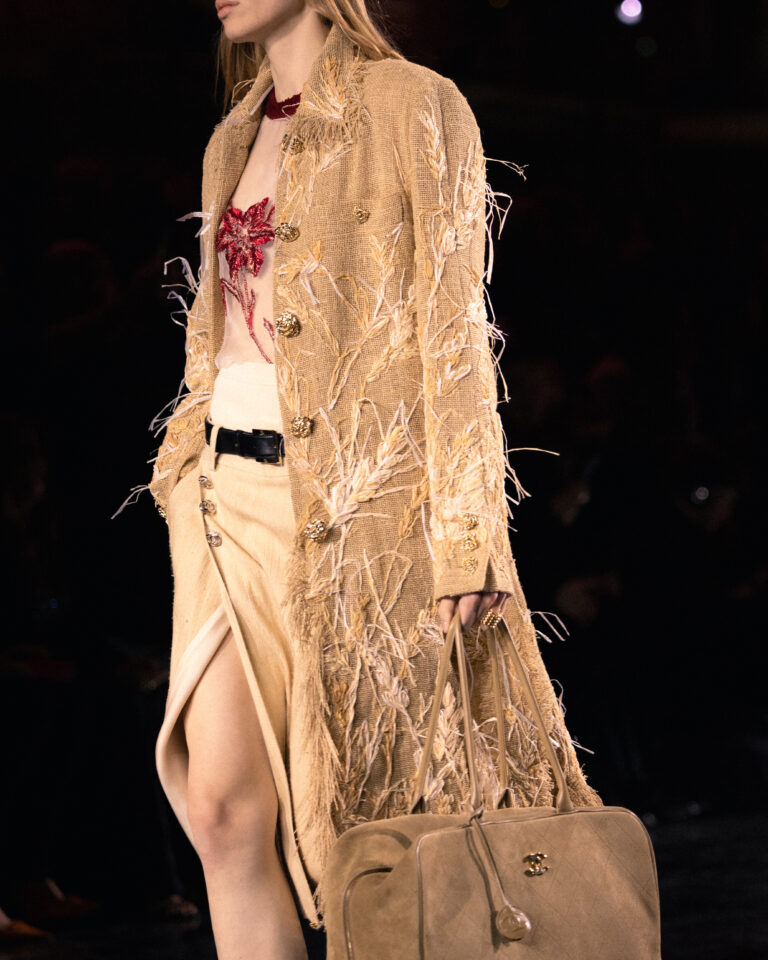
Following his appointment in December 2024, the fashion world has waited to see how Blazy’s reputation for “quiet luxury” and artisanal craft would translate to the Rue Cambon. Blazy, who is the fourth official creative director in the history of the 115-year-old brand, has unveiled a three-part collection entitled “Une Conversation”—a dialogue not with the archives, but with the founder herself.
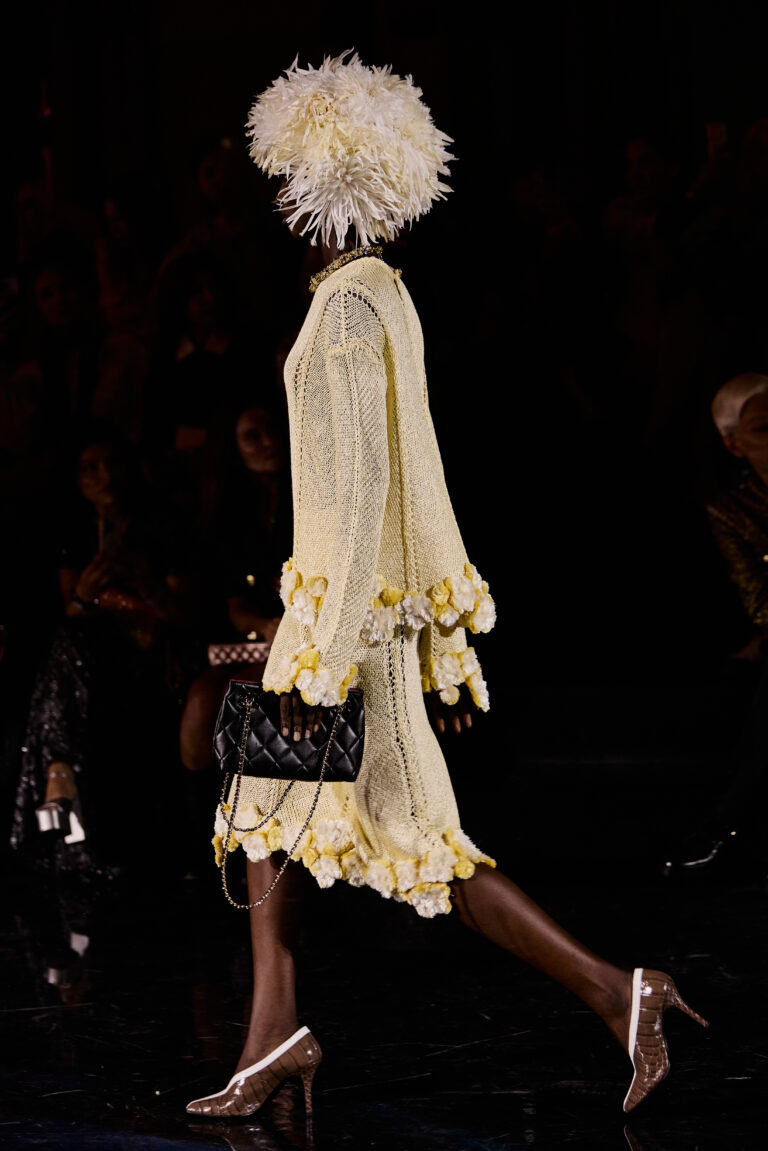
Blazy’s debut stands out for its refusal to settle for “cut-and-dried monotony,” embracing instead a universe where time and space dissolve into an idea of freedom. The collection opens with a striking nod to the House’s origins: the “Paradox” of feminine power won through masculine tailoring. We saw shirts and trousers, historically borrowed by Gabrielle from Boy Capel, reimagined for the modern woman. The crisp white shirt, a collaboration with the historic French shirtmaker Charvet, anchored the runway, weighted by signature CHANEL chains yet adhering to traditional male proportions. These versatile pieces were paired with suit jackets featuring raw-edged cuts—a daring move that made the iconic tweed feel agile, pressed, and purposefully imperfect.
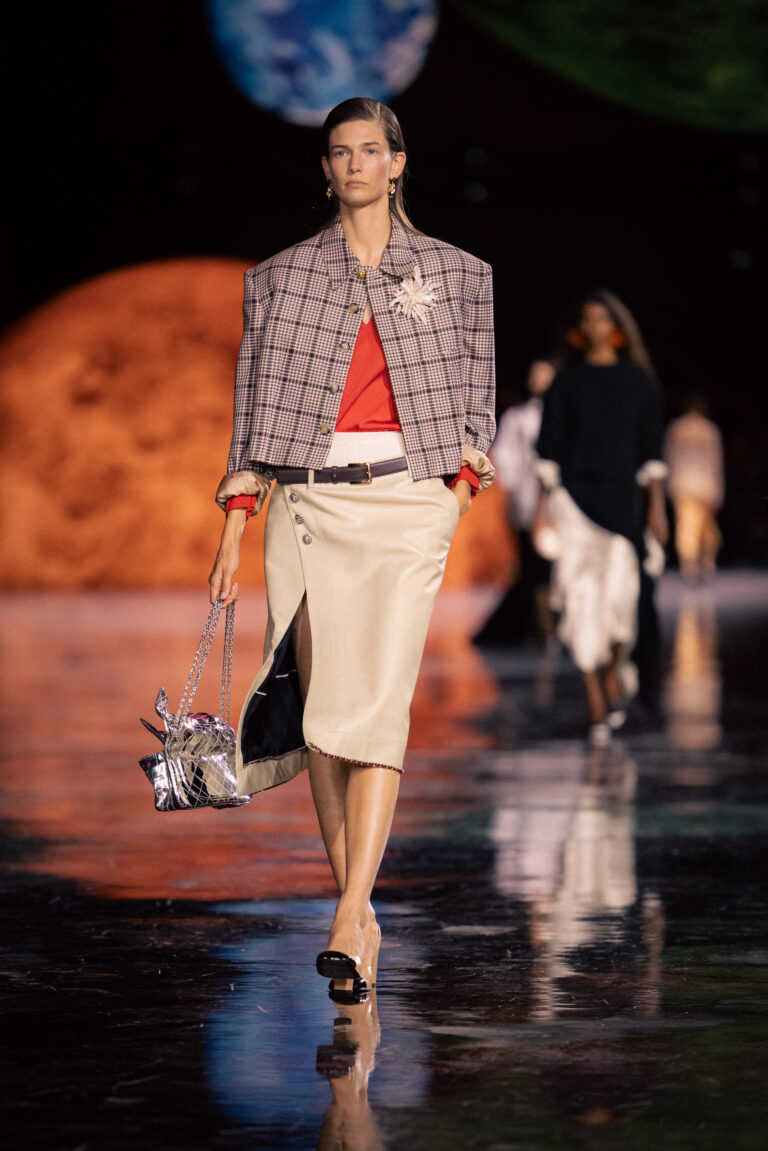
What truly sets this collection apart is the palpable sense of “lived-in” luxury. Blazy’s CHANEL woman does not preserve her clothes in a museum; she lives in them. The legendary 2.55 bag appeared on the runway “crashed, crushed and cherished,” with its burgundy leather lining exposed, evoking the familiarity of an heirloom passed down through generations. This tactile approach extended to the knitwear, where crumpled camellias became integral to the structure of silk suits rather than mere decoration.
Blazy successfully channelled the DNA of CHANEL by exploring the duality of Gabrielle’s life: the time for work and the time for love. The workwear was sharp and graphic, with clean black and white lines echoing Art Deco and the precision of CHANEL packaging. Yet, as the show transitioned to “Le Jour” and “L’Universel,” the silhouette softened. Abstract florals unfurled across silk garments, and the rigid grids of tweed dissolved into hand-knotted knits and transparencies that laid bare the architecture of the suit.
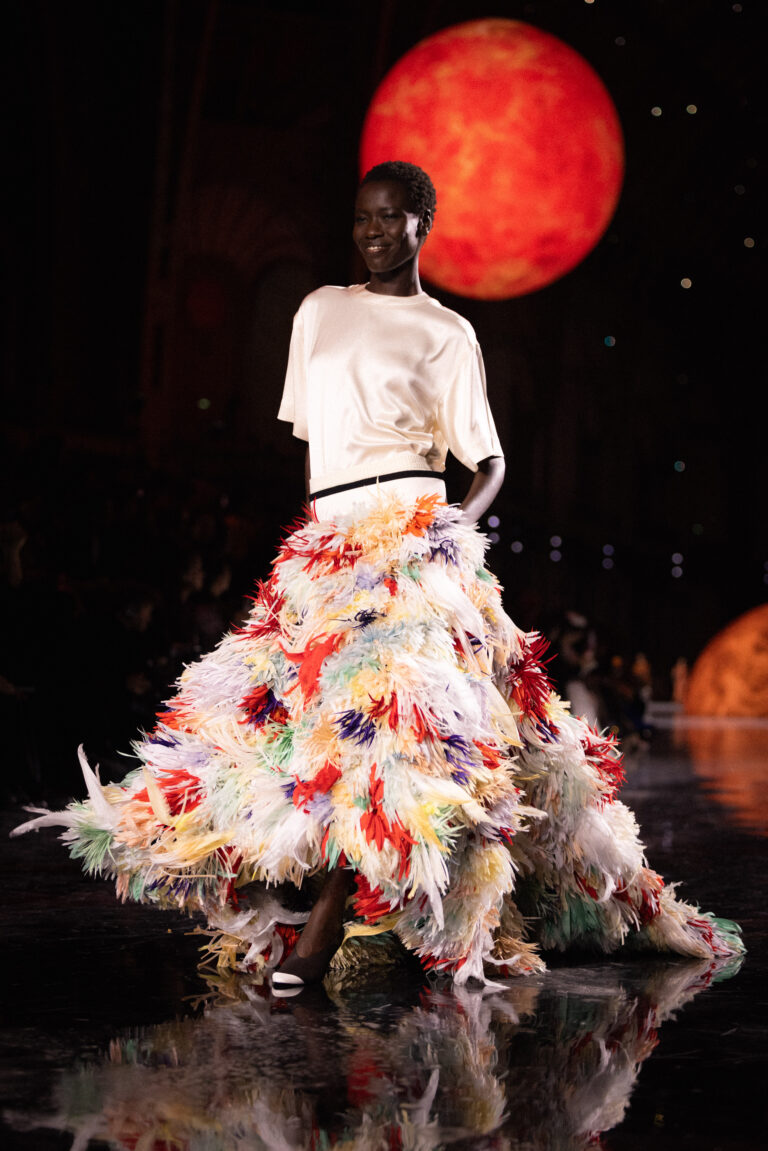
The collection concluded with a vision of “borderless blending,” a universal dress code that feels less like a costume and more like a second skin. By grounding his debut in the love story that birthed the brand, Blazy has managed to make CHANEL feel dangerously personal again. As model Awar Odhiang closed the show in an ivory silk T-shirt paired with an oversized petal-feathered multicoloured skirt, it is evident that Blazy has proven that the inheritance of the House belongs not just to one woman, but to all CHANEL women.