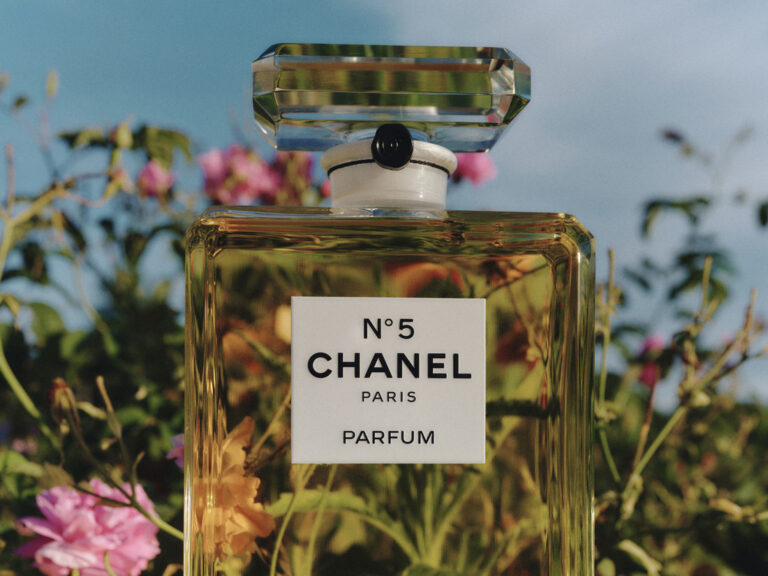
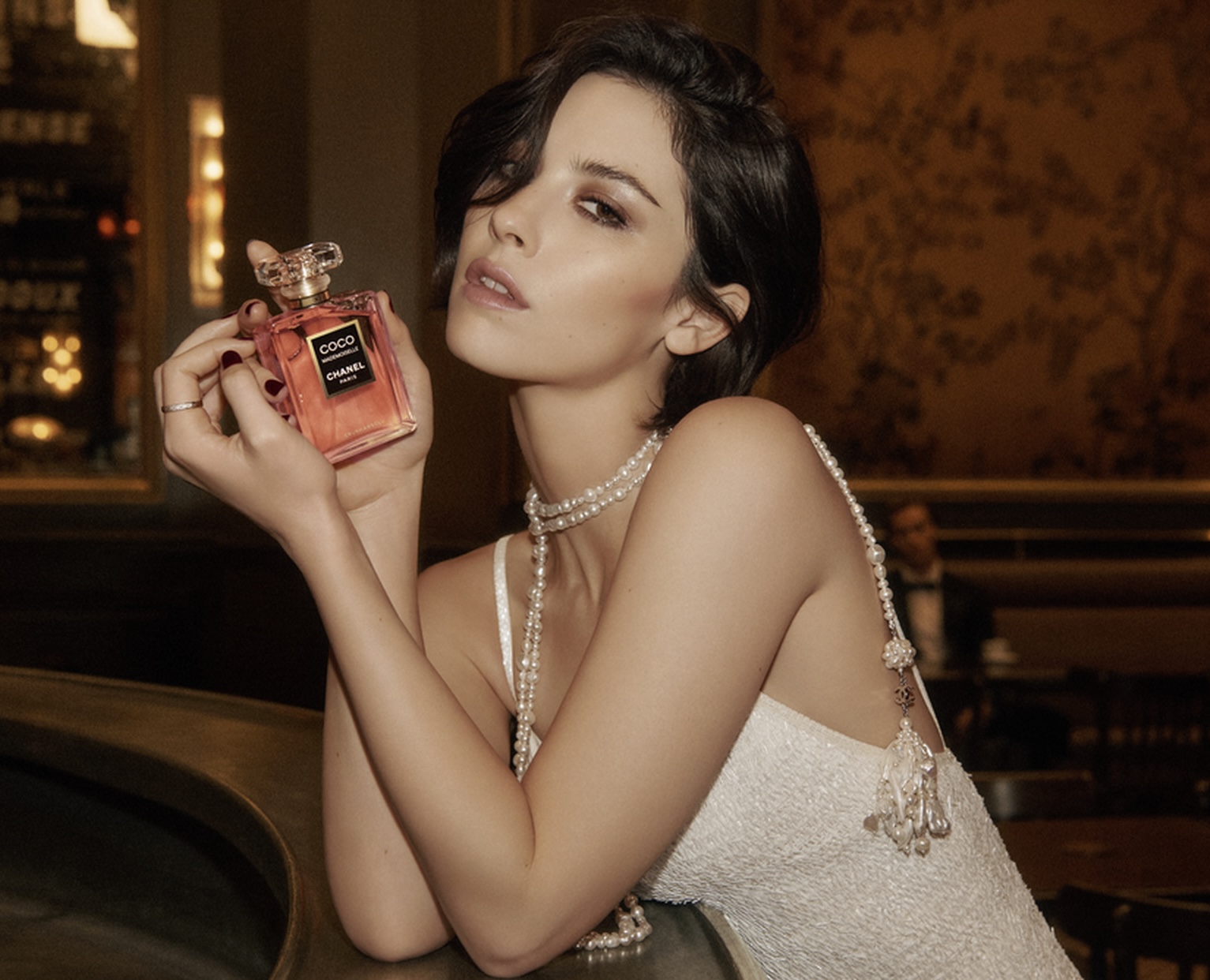
It was in Grasse, in 1921, that perfumer Ernest Beaux reached for the region’s jasmine to compose what would become N°5, the fragrance that changed how the world understood scent, and arguably how it understood luxury. The May rose followed soon after, folding itself into N°5 and later N°19, and the House’s relationship with the region has only deepened since.
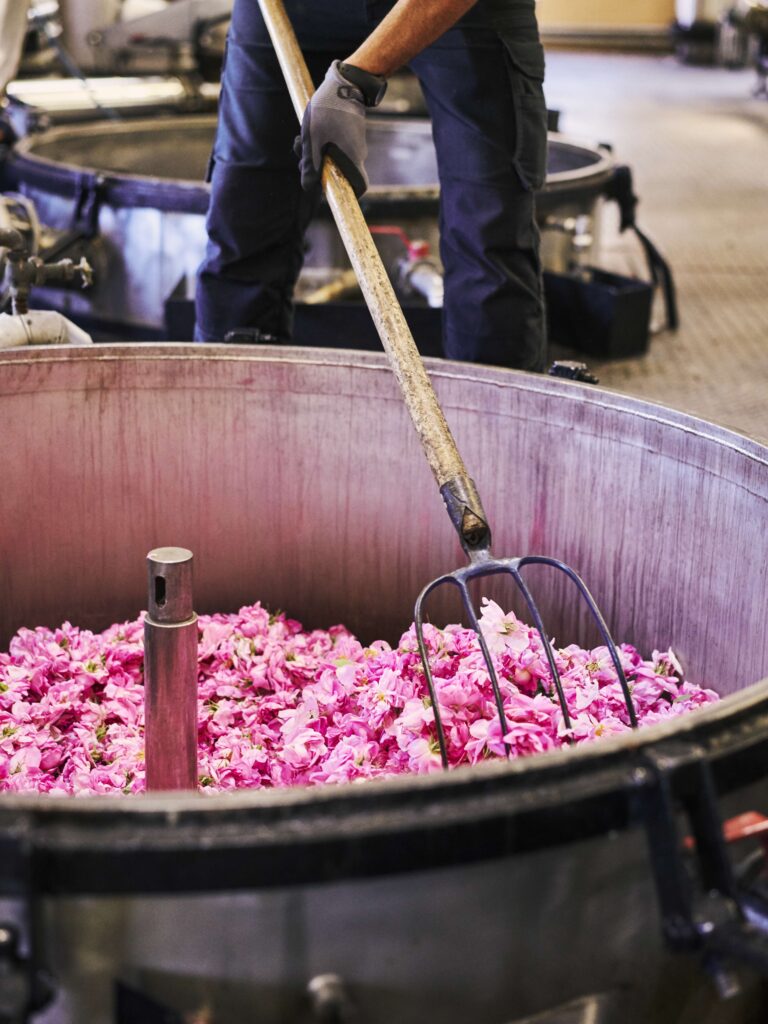
Since 1987, CHANEL has worked directly with growers to safeguard the cultivation of both rose and jasmine, until today five harvests—iris, geranium, tuberose, jasmine, rose—belong exclusively to the maison.
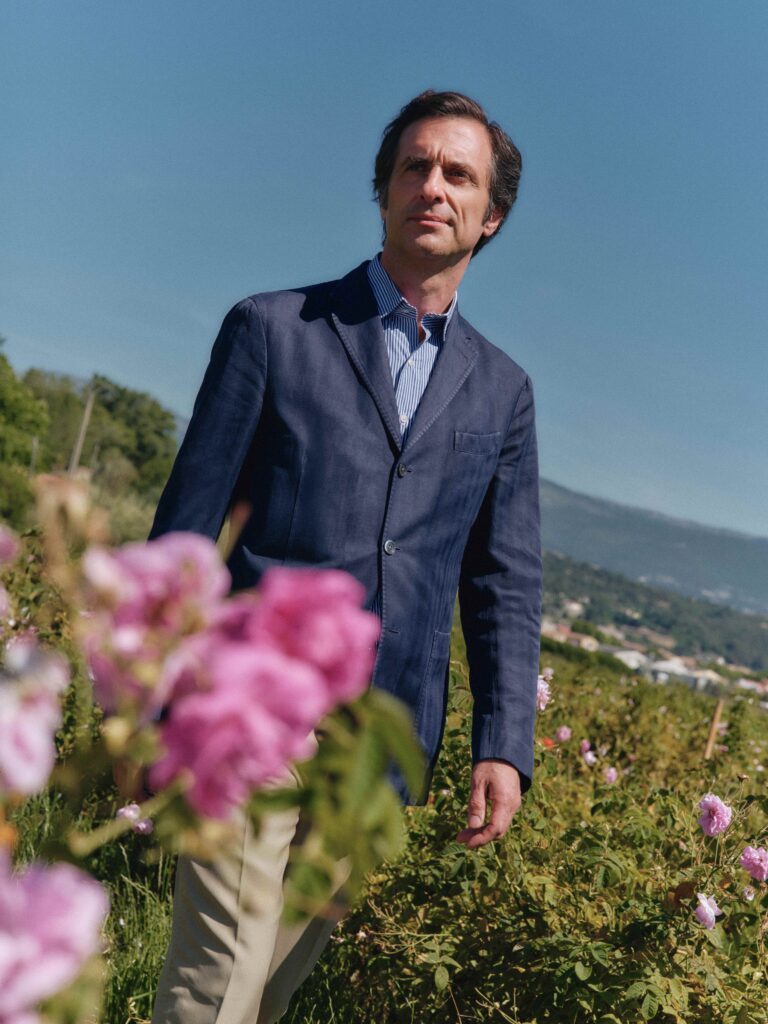
Continuity, in other words, is the point. And no one understands that better than Olivier Polge.
The fourth nose in CHANEL’s history, and son of his predecessor Jacques Polge, Olivier came to perfumery by way of art history, a formal training in Grasse, and years spent refining his craft internationally before returning to the family seat.
He describes the discipline in musical terms, an instinct formed, he says, at twenty, when he first understood that a formula behaves rather like a score, written in notes and chords rather than melodies.
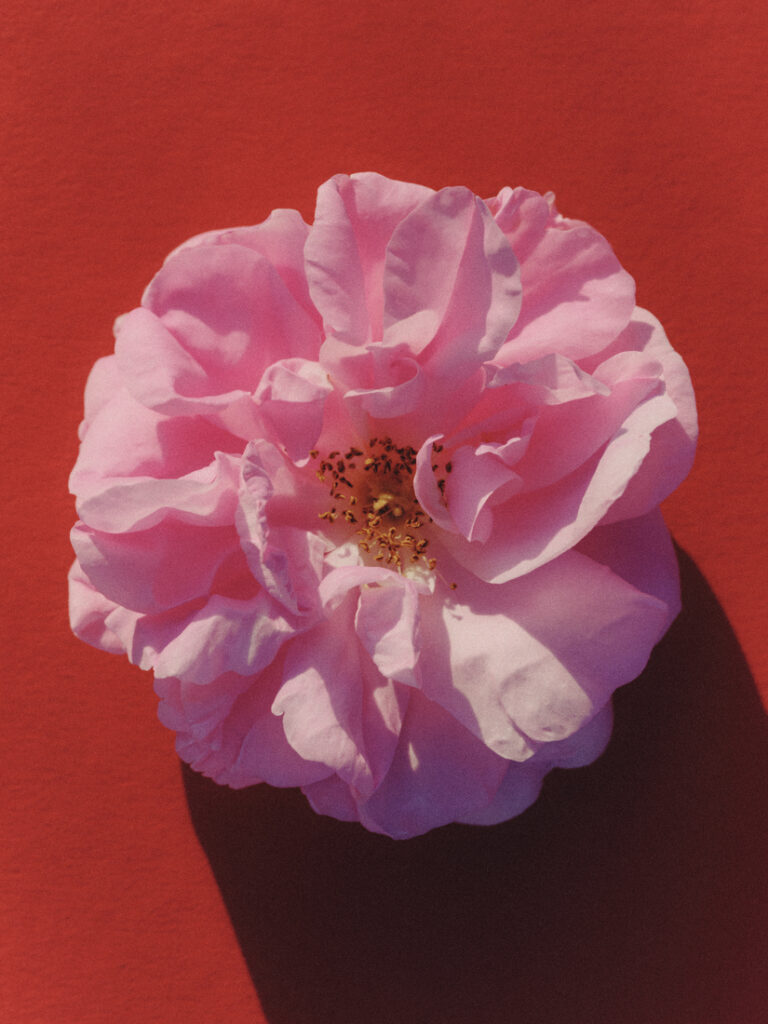
Of the may rose specifically, his description is almost tender: round, rich, warm, captivating.
A material capable, he says, of softening and harmonising even the most complex compositions, of taking the sharper, more angular elements of a fragrance and giving them somewhere to rest.
It is not hard to hear an echo of his own philosophy in that: perfume, for Polge, is a negotiation between freedom and restraint, and few ingredients embody that negotiation as gracefully as this one.
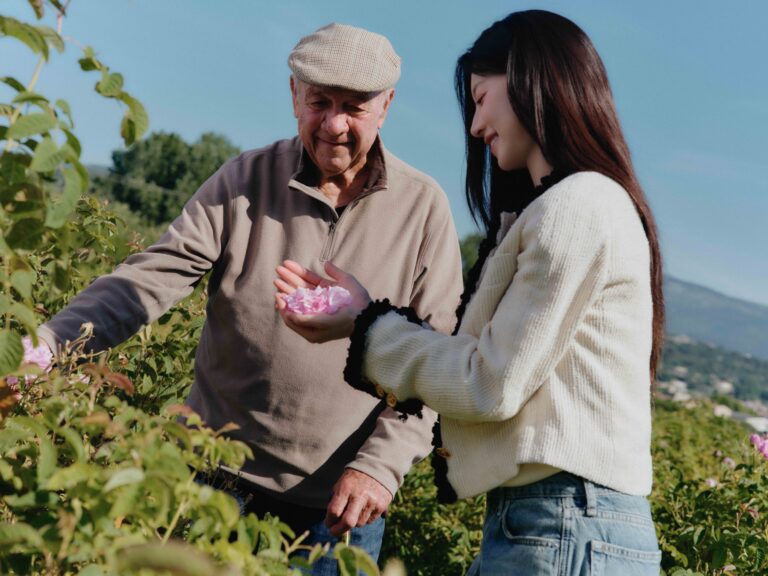
It was this living history that recently drew Korean ambassador Go Youn Jung to Grasse.
She arrived not for spectacle but for witness, to walk the fields where the rose grows, to see the harvest firsthand, and to understand, in person, the raw material behind N°5 Extrait.
There is something fitting in that. The may rose has always asked for patience rather than performance: a flower that blooms once, briefly, and trusts that those who value it will be there to see it.
A century on from Beaux’s first composition, they still are.