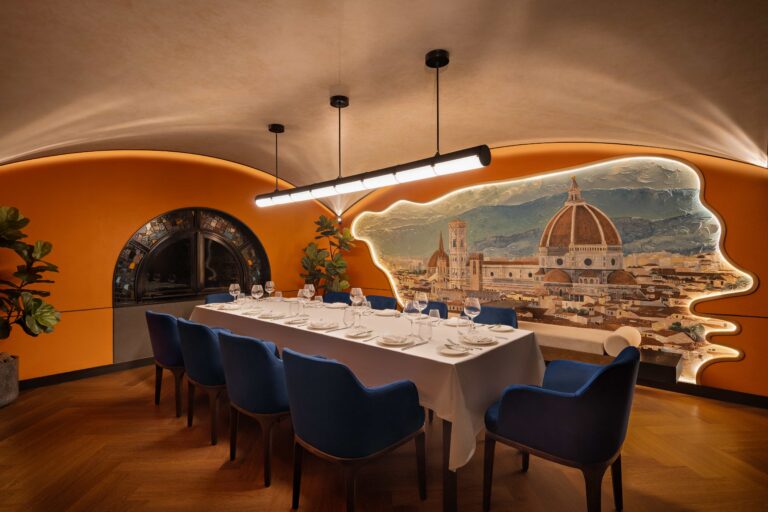
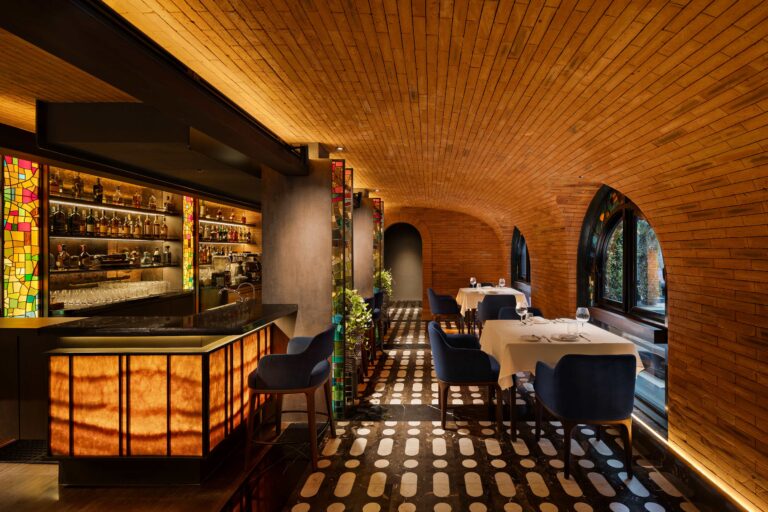
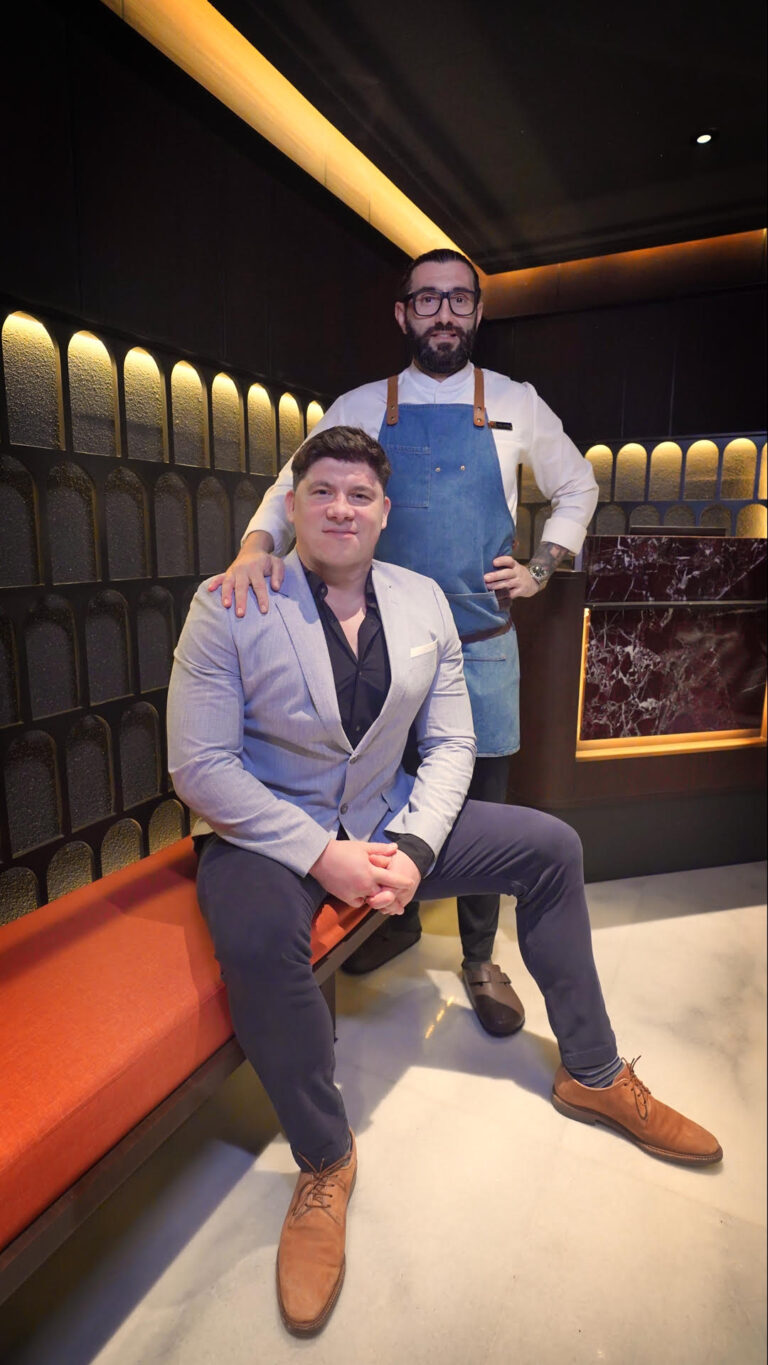
Tucked inside a restored Dutch-era house, CÁRNE Ristorante was built on brotherhood, born from a vision shared by childhood best friends Chef Mario and Razvy Popescu. The partners have quietly built CÁRNE as one of Jakarta’s most respected Italian dining destinations. For his part, Chef Mario, who has nearly two decades of experience across Europe, South America, and the United States, knows a thing or two about turning great ingredients into something memorable.
At CÁRNE, premium dry-aged cuts take centre stage, but it’s the easy balance of warmth and refinement that truly defines the experience. In an exclusive interview with The Time Place Magazine, Chef Mario talks about all things meat, craft, and what makes a steak worth coming back for.
CÁRNE Ristorante is focused on premium meats and dry-aged beef. What makes a great steak, in your opinion?
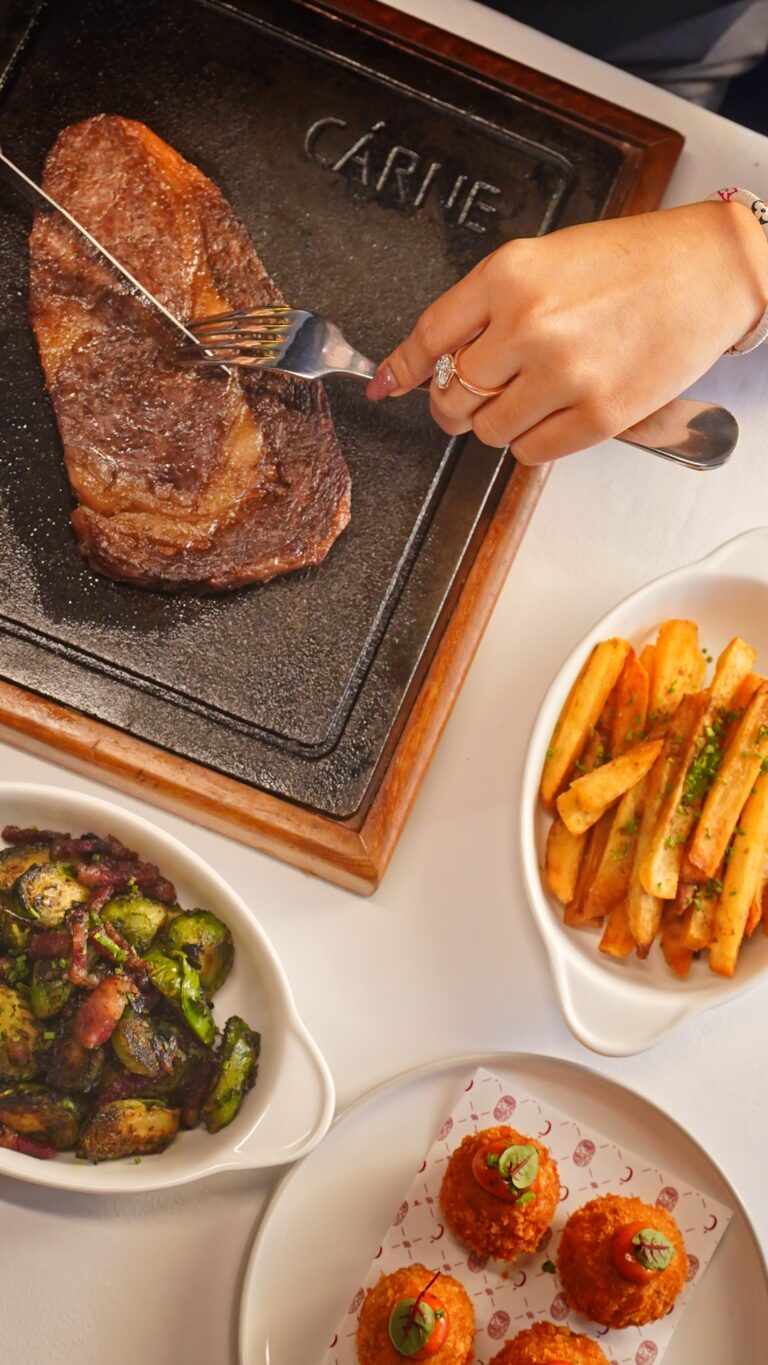
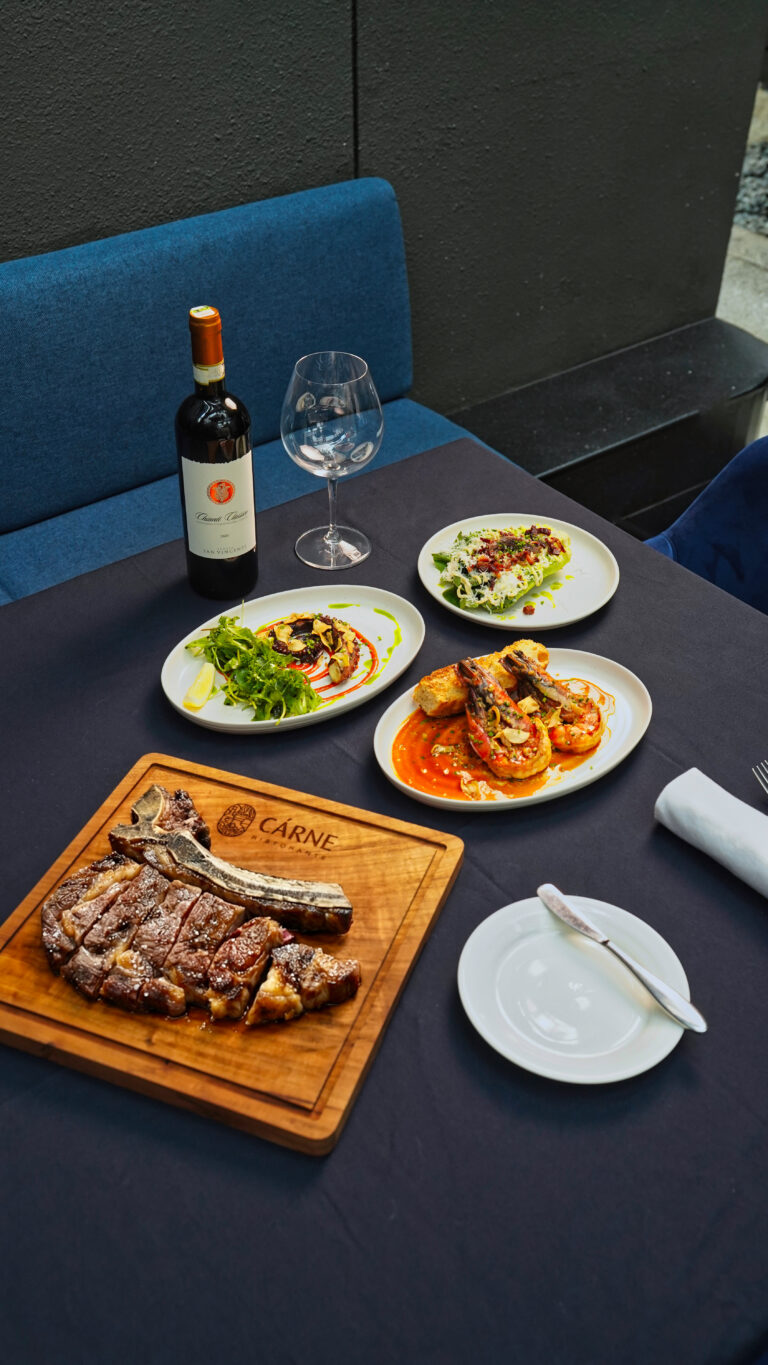
A great steak starts long before the pan. It’s the breed, the feed, the ageing, the butcher’s cut, and then the cooking. Technique is important, but restraint is even more important. Good salt, good fire, proper resting. Don’t overcomplicate it. When the meat is excellent, your job is simply not to ruin it.
There’s something very emotional about Italian food. The cuisine feels personal, comforting, even nostalgic. How do you bring that feeling into a fine dining setting without losing authenticity?
For me, it’s about keeping the soul of the dish. You can refine the plating or elevate the technique, but the flavour must still feel like home. If a guest tastes it and it reminds them of their grandmother or childhood, then you’ve succeeded. Fine dining shouldn’t remove emotion—it should deepen it.
CÁRNE blends Romanian roots, Italian tradition, and Jakarta’s energy. How do you keep that cultural mix cohesive instead of confusing?
I don’t think about fusion. I think about honesty. These cultures are part of my life, so they come naturally. Romanian warmth, Italian simplicity, and Jakarta’s vibrancy—they all meet at the table. As long as every dish has a clear story and purpose, it feels cohesive, not forced.
In fine dining, details matter. What is one small detail at CÁRNE that most guests may not notice, but means a lot to you?
The resting time of the steak. We never rush it. Many people don’t realise it, but those extra minutes make the difference between a good steak and a perfect one. That patience, the restraint, shows respect for the product.
If you could describe your cooking philosophy in three words today, what would they be, and how have those words changed from when you first started your career?
In the present day, those three words will be “Made With Love.” When I was younger, it was more about technique and proving myself. Now it’s about emotion and clarity. Less ego, more soul.
How do you build a strong, calm culture in your own kitchen at CÁRNE?
By leading with respect. No shouting, no fear. A kitchen should be disciplined but calm. When the chef is calm, the team is calm. I want my cooks to feel proud, not stressed. Good food comes from positive energy.
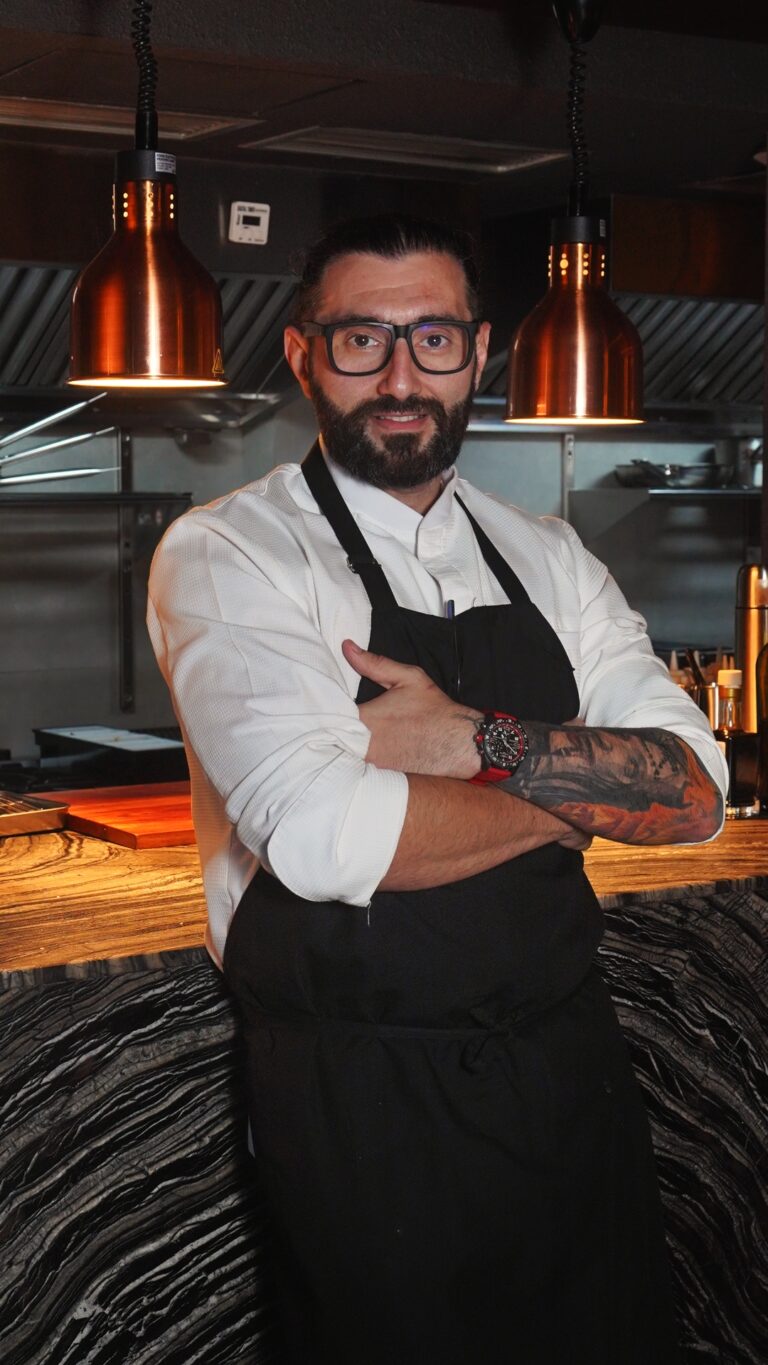
In today’s dining scene, presentation often competes with flavour for attention. When you design a dish, what comes first for you?
Taste always comes first. Always. If it doesn’t taste amazing, nothing else matters. But in the end, what really matters is how it makes someone feel. Food is emotion—presentation is just the invitation, an introduction to the dish.
You’ve spent years mastering steak in some of the world’s most competitive cities. What still excites you about cooking meat today? Is there still something new to discover?
Absolutely. Meat is alive—every cut behaves differently. Fire behaves differently every day. Even after years, no two steaks are identical. That challenge keeps me sharp. I’m still learning, still refining. That’s what makes it exciting.