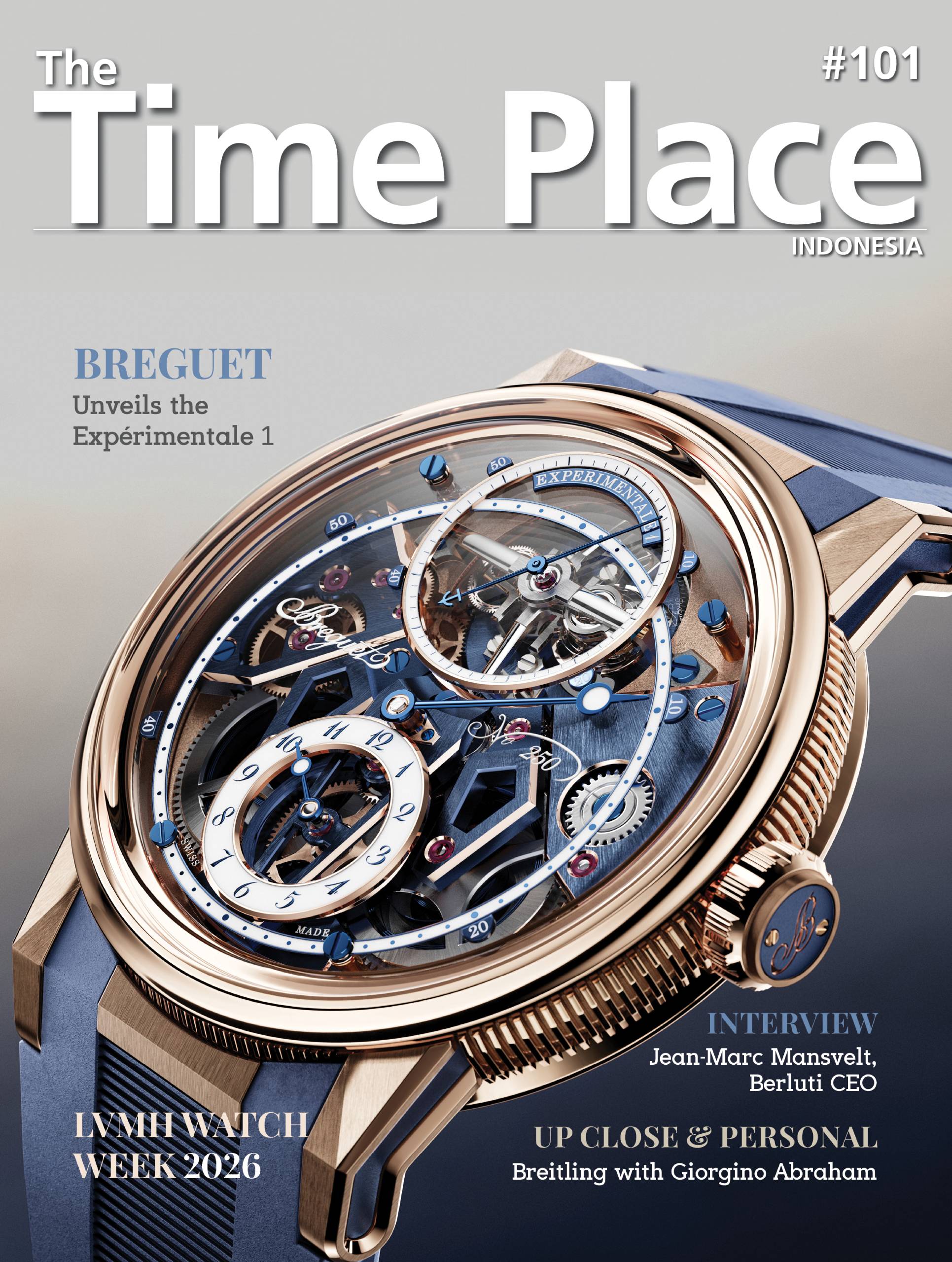
Breguet introduces Expérimentale 1 as an inaugural release in its new exploratory Research and Development focused line. Crafted in Breguet gold, the marine-inspired wristwatch embodies the brand’s latest technical innovations. The timepiece is distinguished by Breguet’s first 10Hz high-frequency tourbillon, paired with a magnetic escapement that maintains constant energy to the balance. As a testament to its precision and craftsmanship, the timepiece bears the Breguet hallmark.
For over 250 years of its horological venture, Breguet’s creations have been moulded by relentless Research and Development (R&D). This legacy was set in motion by Abraham-Louis Breguet, whose pioneering work redefined the art of watchmaking. Among his numerous breakthroughs are the tourbillon, the perpétuelle watch, the natural and constant-force escapements, the “observation” seconds counter that led to the birth of the chronograph, the shock protection, the Breguet balance spring with terminal curve, the gong spring for striking watches, and the first wristwatch, amongst others.
This spirit of continual progress led the Manufacture to introduce the Expérimentale collection alongside its existing lines. Comprising a series of exceptional timepieces, it pays tribute to A.-L. Breguet’s creations, each of which began as an experimental pursuit.
The line highlights Breguet’s most advanced technical and aesthetic research while offering glimpses to the future of the Maison’s watchmaking. It grants collectors privileged early access to innovations in strictly limited editions, prior to their refinement in later collections.
The debut of the Expérimentale 1 as the first timepiece in the new collection figuratively brings Breguet’s 250th anniversary celebrations to a close, while simultaneously ushering in a new chapter. As the inaugural creation, it sets the trajectory for the Maison’s future.
The advent of the Expérimentale 1 is far from a short-term endeavour. It stands as the culmination of many years of dedication and extensive R&D. This very foundation underpins Breguet’s contemporary watches, notably the Classique, Tradition, Marine and Type XX collections.
In its quest to seamlessly bridge scientific exploration and design, the Expérimentale programme reveals the length and breadth of Breguet’s R&D. It illuminates the entire horological spectrum, from materials and electromagnetism to vibratory mechanics and acoustics; it is a genuine embodiment of artistic invention driven by rigorous scientific research.
The maiden release was driven by two objectives. First and foremost, the pursuit of precision as the fundamental principle at the very core of its innovation. The second lies in forging a connection between heritage and the future. This approach aligns with the Maison’s 250th anniversary celebrations, which is also embodied by the historical significance of the Expérimentale 1. The link is articulated through the watch’s inclusion in the Marine collection. This evokes the pivotal year of 1814 when A.-L. Breguet was appointed to the Paris Bureau des Longitudes and granted the title of Horloger de la Marine Royale or Watchmaker by Appointment to the Royal Navy, by King Louis XVIII.
The recognition was regarded as the pinnacle of achievement for a watchmaker, given the exceptional scientific discipline demanded by maritime horology. The Expérimentale 1 sustains this tradition as it unveils technical innovations that define the future of haute horlogerie.
The Expérimentale 1 is founded on a set of complementary aesthetic principles that interact to form a unified whole. Conceived as the first piece of the collection, designers drew their inspiration from the Marine collection while incorporating its signature elements: a sporty case, closely set central lugs, an interchangeable rubber strap, and enhanced legibility through luminous details.
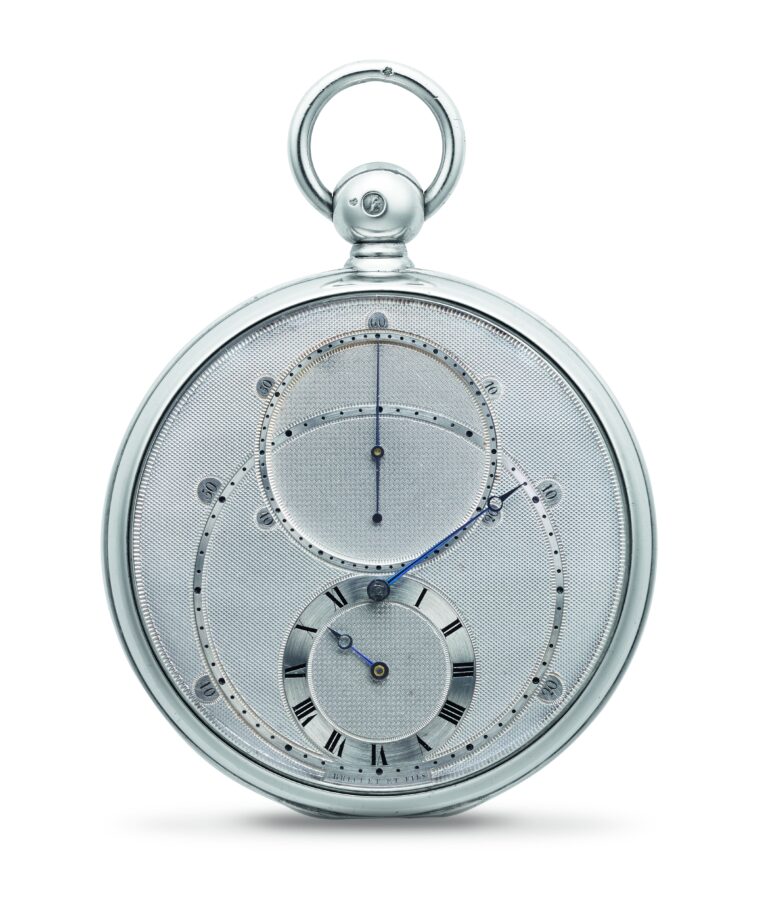
It pays historical homage to the aesthetic codes of Reference 3448 in both dial layout and movement architecture. It echoes the 1997 Reference 1747, created for A.-L. Breguet’s 250th birth anniversary. This forges a natural connection with the Expérimentale 1, launched in 2025 to commemorate the 250th anniversary of the eponymous brand that has borne the founder’s name since 1775. It is also considered to be a legitimate successor to the 1747, which was the first wristwatch to feature a regulator display in Breguet’s recent history.
This lineage extends back to the authentic Marine Chronometer No. 104 by A.-L. Breguet, who was then exiled during the French Revolution. A temporary workshop in Le Locle witnessed the birth of the No.104. Akin to the chronometer, the Expérimentale 1 also marks a first: Breguet’s debut R&D model. The No.104 held the distinction of being the first to employ Arabic numerals, now revived in the Expérimentale 1.
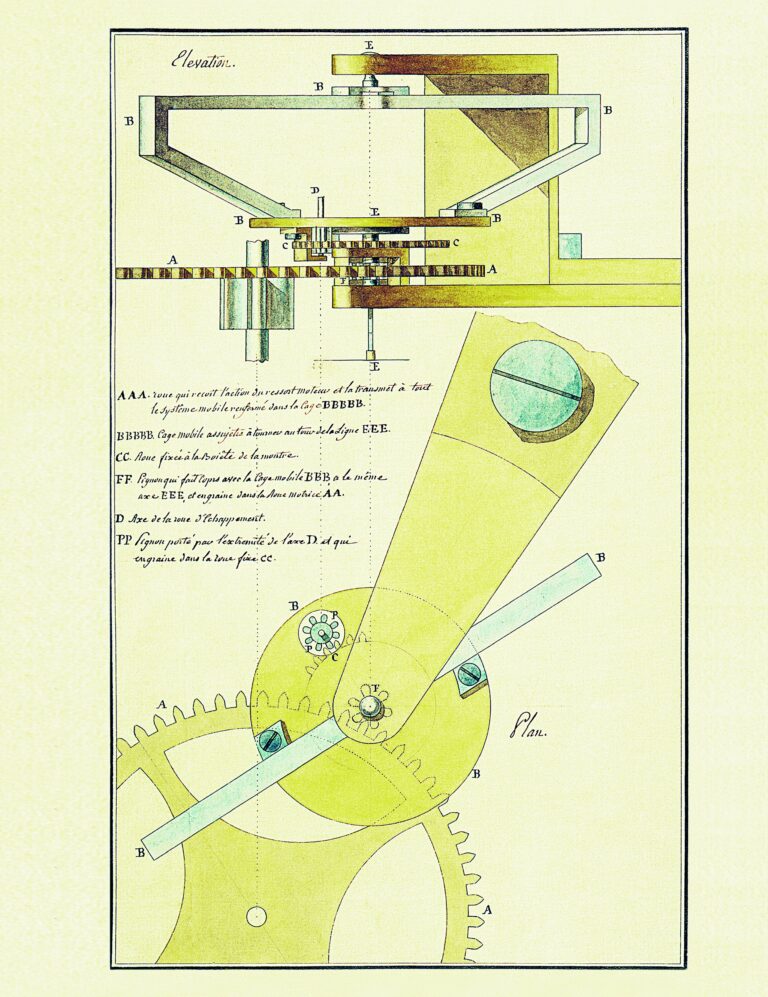
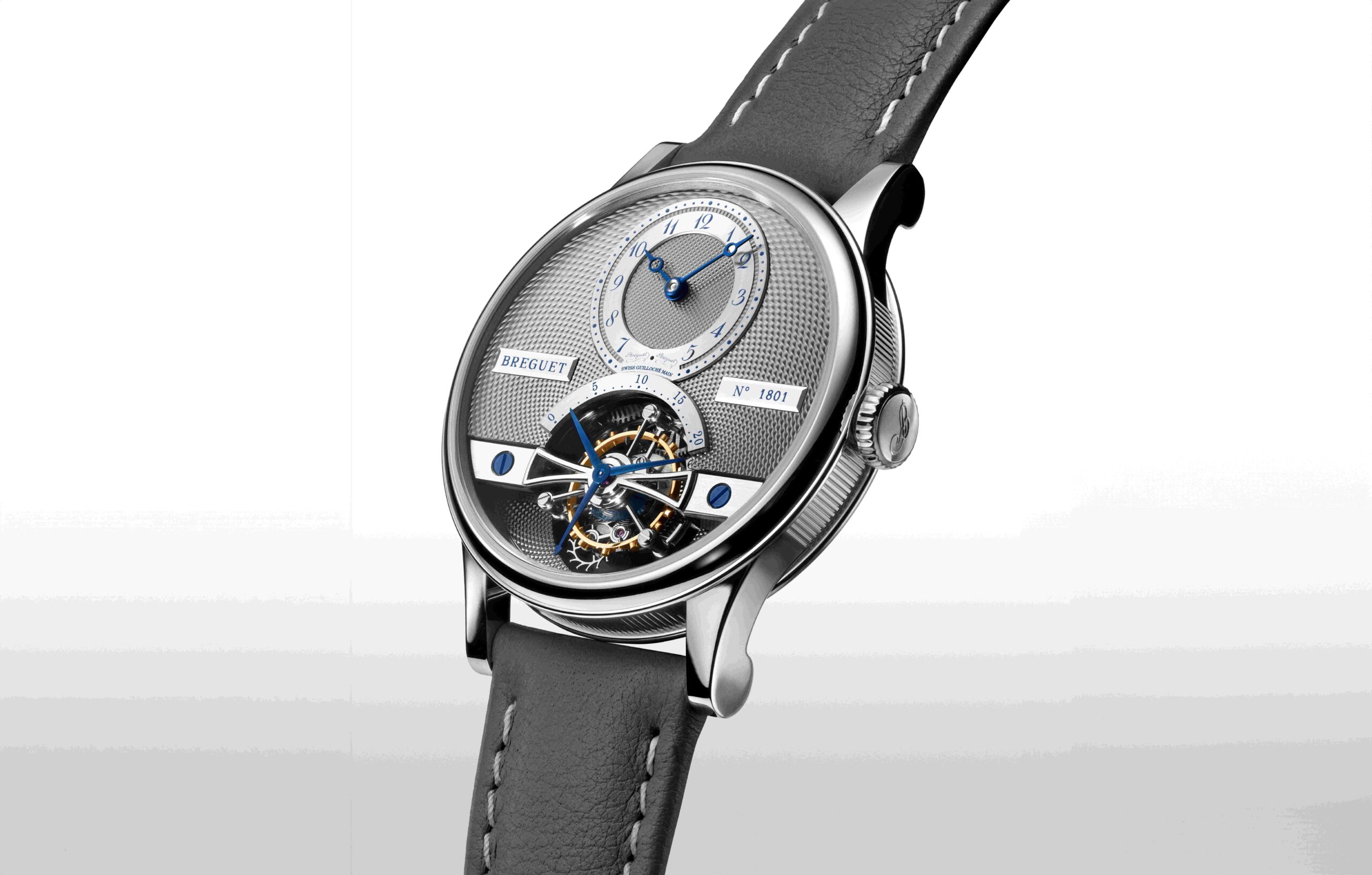
Precision lies at the very core of the Expérimentale 1, serving as the catalyst for Breguet’s technical innovations. For A.-L. Breguet, accuracy was not merely an objective; it was the cornerstone of a lifetime devoted to horology. Though a few in number, two of his patents eventually proved to be decisive, with a lasting impact in the realm of watchmaking. One devoted to constant force, the other to the protection of the tourbillon and registered in 1801.
Two centuries later, the manufacture continues this pursuit by carrying the legacy forward, incorporating them into modern research by further refining the tourbillon and constant-force escapement.
Chronometric accuracy is usually attributed to the multiple variables acting simultaneously and therefore cannot be reduced to a single factor. The first factor influencing accuracy is the struggle of maintaining a constant balance amplitude, despite the declining torque delivered by the mainspring over the power reserve. The second factor relates to the earth’s gravitational influence, which affects the regulating organ and can disrupt performance depending on the watch’s position. The final factor concerns shock resistance, including impacts and accelerations. Each disturbance, however brief, may possibly impair regular timekeeping and compromise precision.
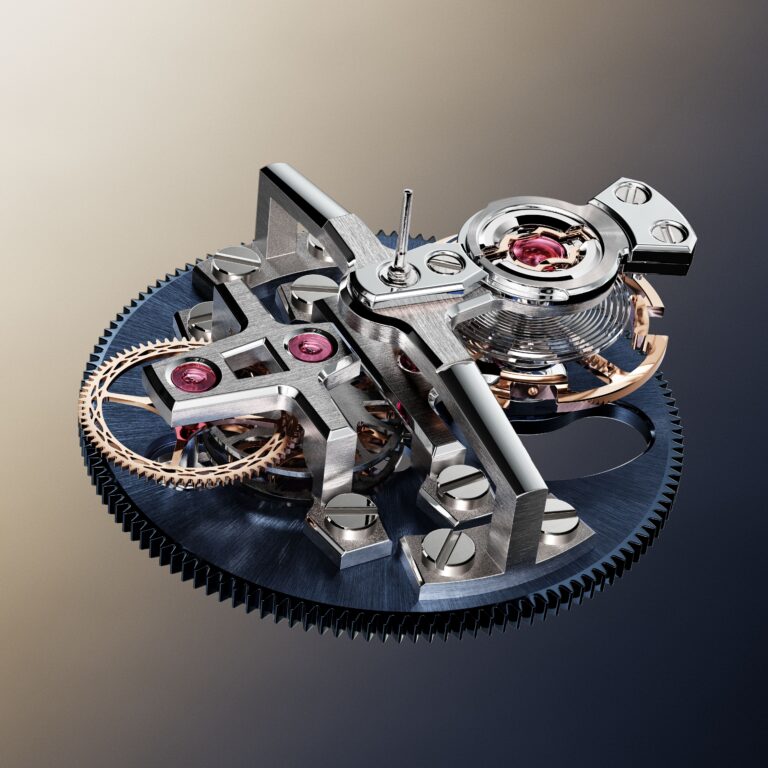
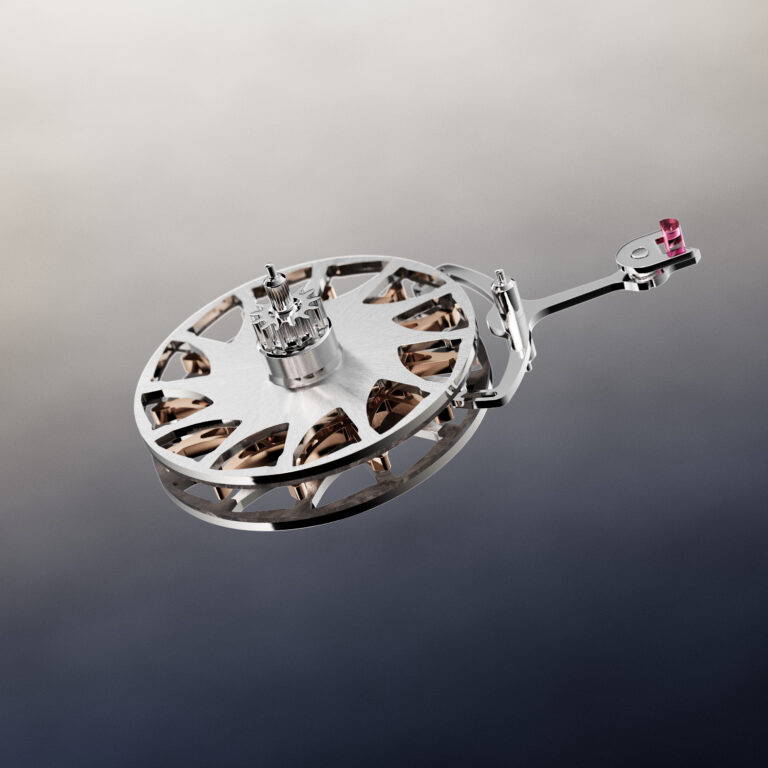
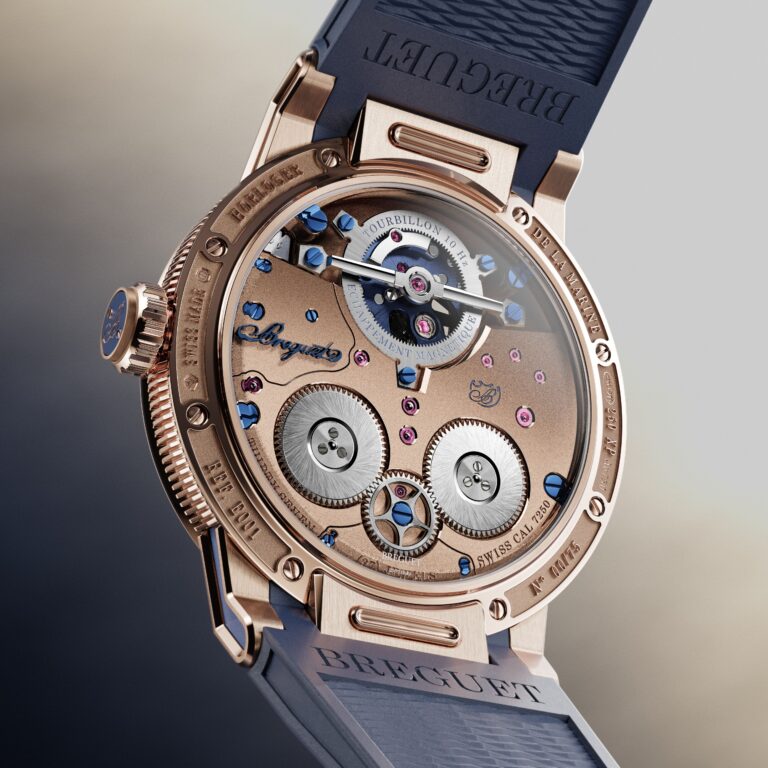
The Expérimentale 1 unites a 10 Hz tourbillion and a magnetic constant-force escapement to deliver consistent energy, rapid balance recovery and enhanced timekeeping stability by averaging gravitational errors.
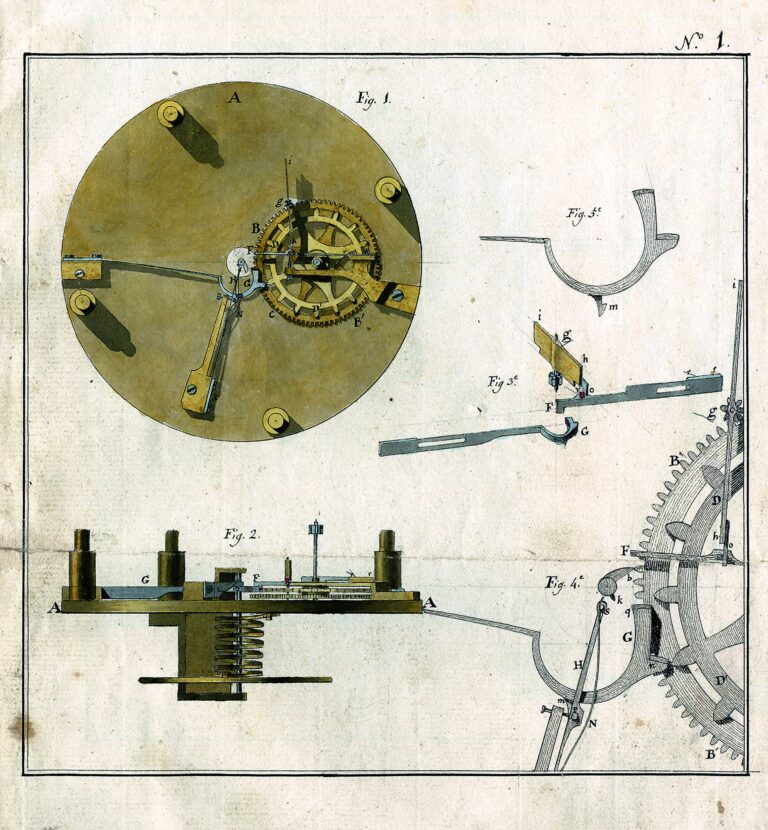
Since the early 2010s, Breguet has redefined its expertise in magnetic fields that now extends to the escapement. The fundamental principle of precisely controlled magnetic interaction remains unchanged. The system employs two escape wheels, both incorporating magnetic tracks that drive a pallet lever fitted with magnetic pallets. This results in a constant-force escapement. Below a specified torque level, the tourbillon halts quickly; above it, the balance oscillates at full amplitude.
This escapement further separates the impulses transmitted to the balance from the rotation of the escape wheel and gear train. In contrast to a Swiss lever escapement, the inertia of the tourbillon cage plays a minor role. This separation enabled Breguet to realise a compact 10 Hz tourbillon—significantly higher than the 2.5 Hz standard tourbillon. This construction enhances stability and accuracy, notably allowing the balance to be positioned away from the cage’s rotational centre. The magnetic escapement ensures continuous impulse delivery devoid of unwanted interruptions.
Non-magnetic materials were employed to avoid interference, along with advanced components such as the silicon balance spring, titanium and nivagauss elements, which contribute to optimal performance, allowing the tourbillon to surpass conventional standards to ensure scientific accuracy.
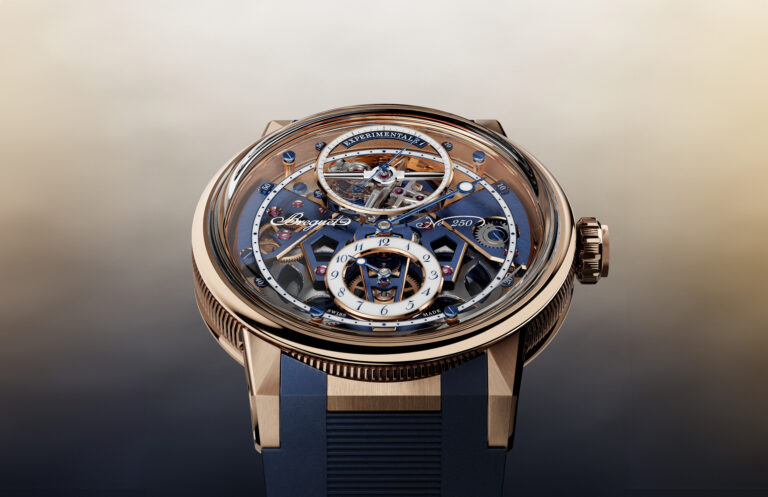
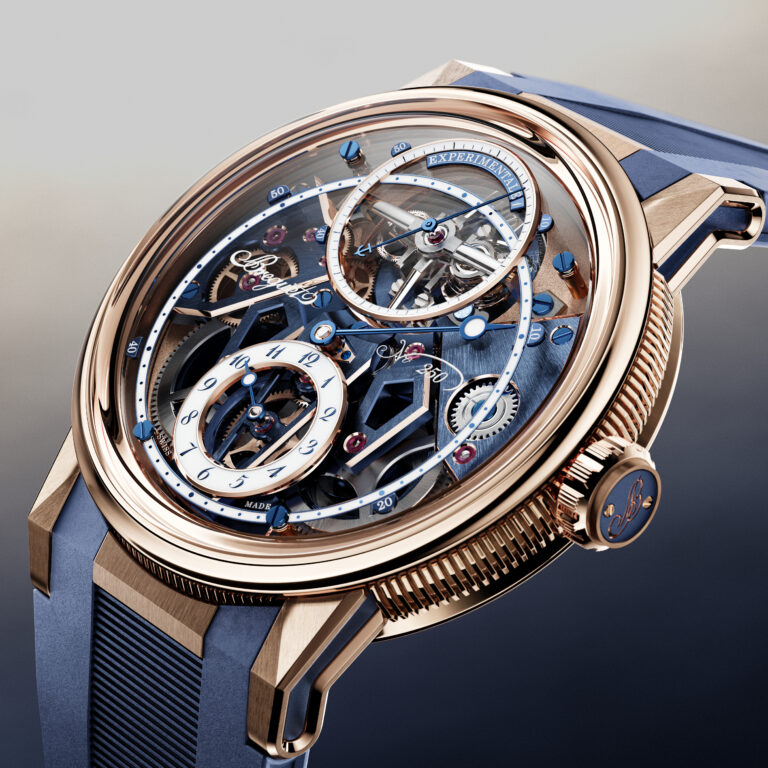
The Expérimentale 1 is presented in a 43.5 mm Breguet gold case with proportions inspired by the Marine collection. Its design takes cues from pocket watch No. 3448, which adopts a regulator-like display and a symmetrical architecture. The sapphire dial grants one an unobstructed view of the entire movement. The regulator-type display places hours at 6 o’clock, offset minutes and seconds, and the tourbillon at 12 o’clock, a layout devised by A.-L. Breguet, to enhance legibility and chronometric precision.
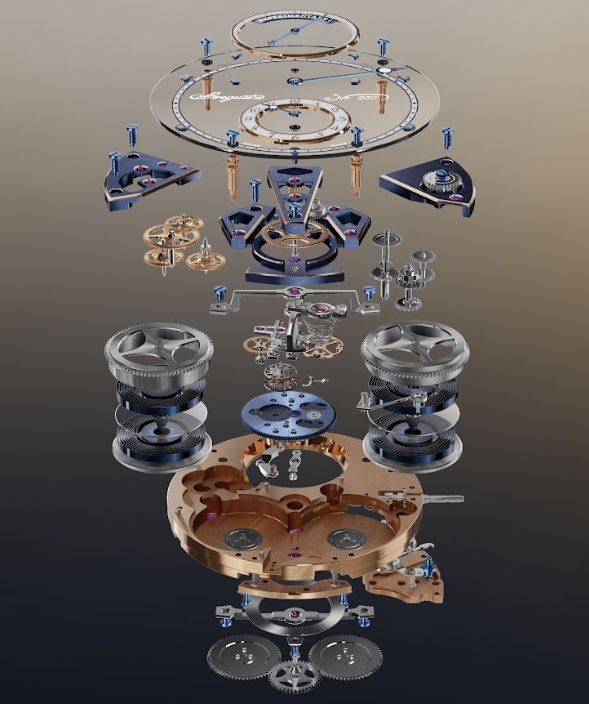
A patented twin-barrel system inspired by its predecessor pairs two series coupled barrels, separated by sapphire spacers at 3 and 9 o’clock to maximise efficient power transmission within the case. Breguet’s hallmark elements persist with the double-stepped fluted caseband, six close-set lugs, multi-finish surfaces, open-tipped blued hands with Super-LumiNova®, and a discreet signature on the sapphire dial, preserving the Maison’s aesthetic heritage with contemporary undertones.
Softly contoured, solid gold bridges define the architecture, balancing structural rigour and aesthetic harmony. To emphasise the watch’s contemporary expression, the peripheral minutes track encircle the chapter ring at 6 o’clock, while the tourbillon appears to escape from its confines, sitting freely at 12 o’clock.