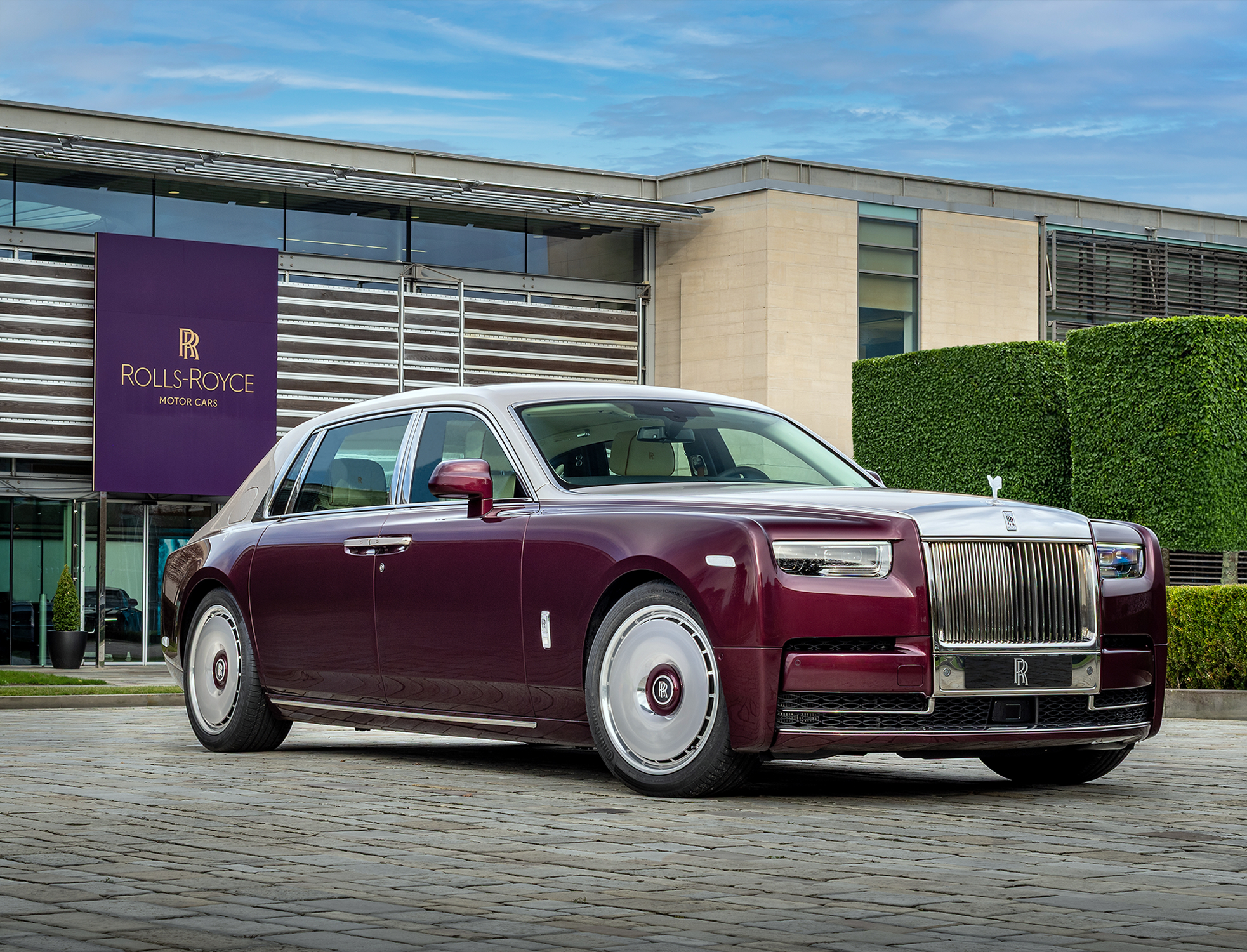

With a career shaped by more than 25 years of experience in automotive design, Domagoj Dukec brings a considered perspective to his role as Global Director of Design at Rolls-Royce Motor Cars. Since joining the prestigious marque in 2024, he has approached its design language with an appreciation for the qualities that have long defined Rolls-Royce: presence, purity and timelessness.
For Dukec, a Rolls-Royce should never need to compete for attention. Imposing yet composed, it must be beautiful in its own right, long before any Bespoke detail is introduced. He sees the motor car as a canvas, one that invites personal expression without overwhelming its original character.
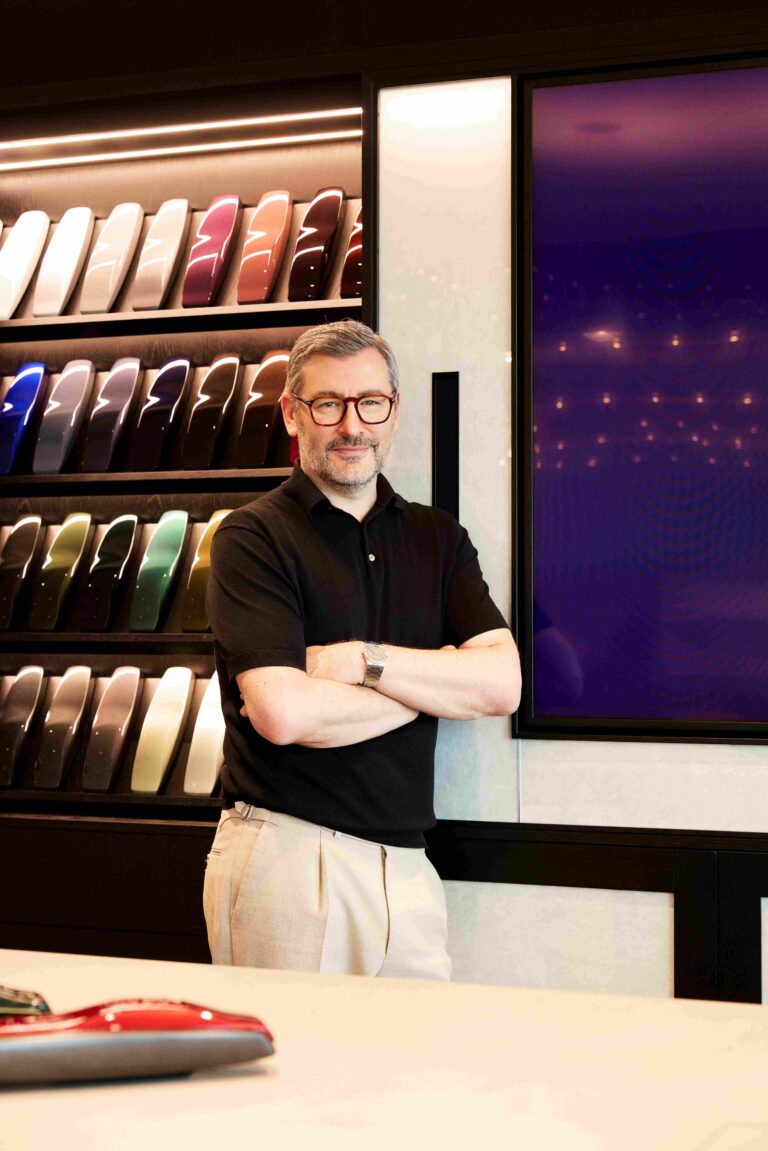
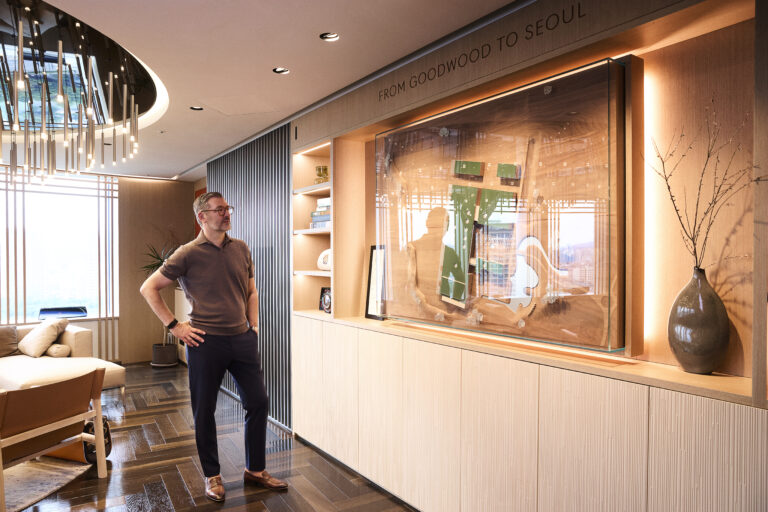
At the Rolls-Royce Private Office Seoul, where clients work closely with the marque’s designers to bring their Bespoke commissions to life, Dukec shares how this philosophy shapes an art form in which individuality and the enduring identity of Rolls-Royce find their balance.
When every Rolls-Royce Bespoke commission is deeply personal, what ensures the experience remains unmistakably Rolls-Royce?
What matters most to me is that there is a red thread running through the entire experience. Whether a client visits our Private Office in Seoul, New York, Dubai, Shanghai or Goodwood, they should experience the same signature approach that defines Rolls-Royce.
We have a clear strategy for how we engage with our clients, what we offer and how we guide the creative dialogue. There are certain standards, behaviours and sensations that should remain consistent, even when the final outcomes are entirely different.
I work closely with our Head of Bespoke Design at Goodwood, who oversees the designers across our Private Offices. This creates a clear line of communication, ensuring that our teams remain connected and share the same understanding of our approach.
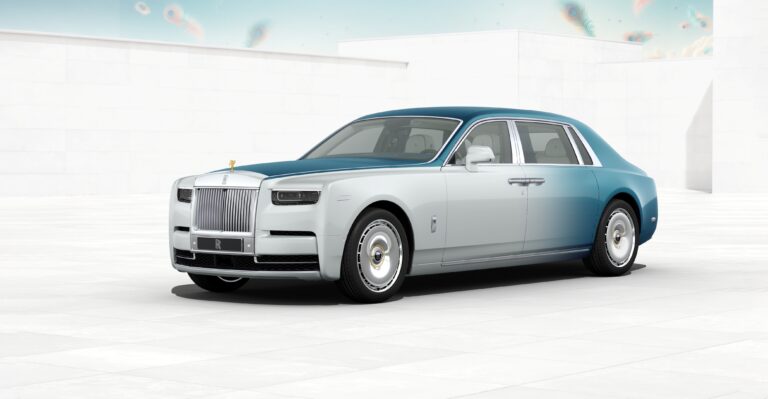
Beyond that, I don’t need to know about or control every individual commission. We’re not here to be the “taste police”. Bespoke is about giving our designers the freedom to interpret each client’s vision, while ensuring that the experience, from the first conversation to the final creation, remains unmistakably Rolls-Royce.
In Bespoke design, where virtually anything is possible, how do you balance creative freedom with the discipline of restraint?
We do not allow absolutely everything. Certain elements are integral to the identity of Rolls-Royce and must remain consistent. The ‘RR’ Badge of Honour, for example, can only be adapted in specific circumstances. We can explore different textures, materials and executions in many areas, but there are certain defining elements we do not individualise.
There are also technical considerations.
Every material must meet strict safety and homologation requirements, while withstanding the demands of everyday use. Our challenge is to make ambitious ideas possible without compromising these standards.
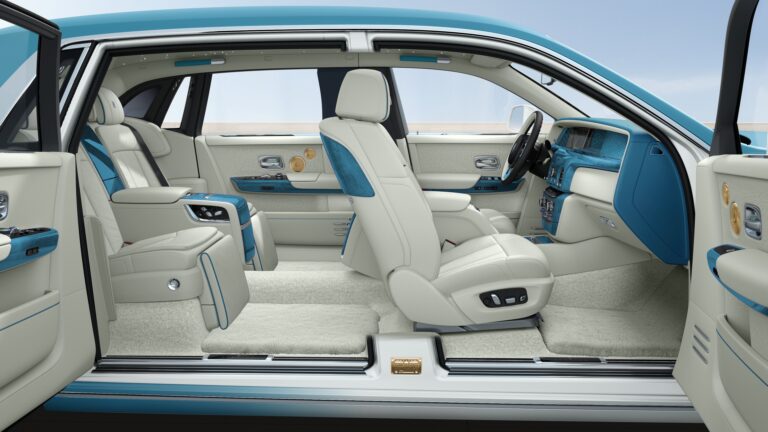
At the same time, we are not here to reject ideas simply because they are unexpected. Even a bold combination, such as a pink exterior with a neon-yellow interior, can work beautifully when carefully considered. Clients often come to us for guidance rather than with a finished design. Through conversation, we learn what matters to them and interpret their vision through our design expertise.
What are the most fascinating non-automotive references clients bring into the design process today?
In the commissions I have seen, nature and its symbolism are particularly meaningful in Asia. Animals, flowers and other natural elements often carry cultural significance, and clients may want to incorporate those stories into their motor cars. A peacock, for example, can represent particular qualities or symbolism depending on the cultural context.
Elsewhere, I see different priorities. Some clients in America may favour a more visible expression of achievement, while commissions from the Middle East often draw on regional craftsmanship, architectural patterns and traditions such as marquetry. These meaningful references can work beautifully with the materials and craftsmanship we offer at Rolls-Royce.
After meeting so many extraordinary clients around the world, what makes a Bespoke commission truly meaningful, beyond the design itself?
Sometimes a client commissions a motor car as a gift for a parent or grandparent. Those projects can be particularly meaningful because they bring together family history, personal memories and the things that matter most to someone.
For me, the most interesting commissions are those in which the design reflects something genuine about the person. It might be a family memory, a personal achievement or a deeply held passion. When those elements are translated thoughtfully into the motor car, the result becomes much more than an expression of taste.
You have spoken about the importance of knowing clients beyond their immediate design preferences. How does that relationship shape the Rolls-Royce experience?
For us, it is about understanding people over time. We do not simply ask what someone likes. We get to know their interests, preferences and personalities, and that allows us to approach them in a much more considered way.
It is not enough to create an expensive product and declare it luxurious. The experience has to be earned through the way you treat people, the relationships you build and the access you provide. It is about understanding how to engage with clients without pressuring them, and creating a relationship they genuinely value.
Ultimately, some people are drawn to Rolls-Royce because of the motor car, but what makes the experience distinctive is everything that surrounds it: an intuitive understanding that goes beyond words. The relationship does not end when the car is delivered. In many ways, that is where it continues.