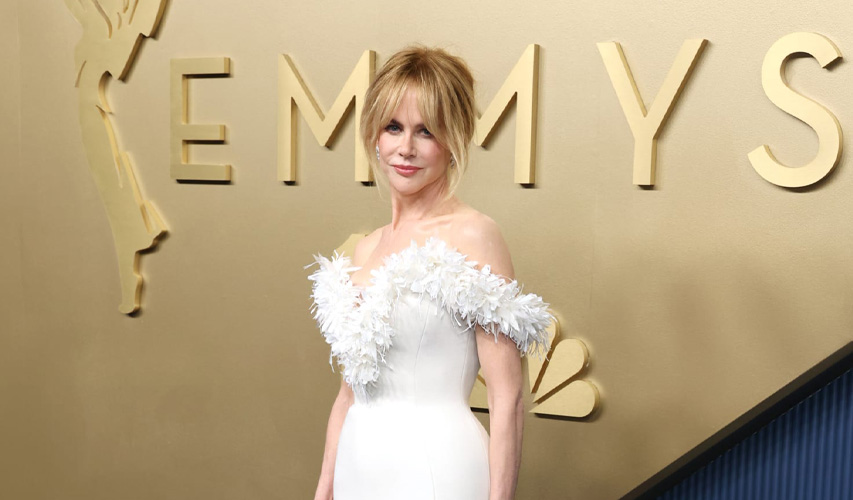

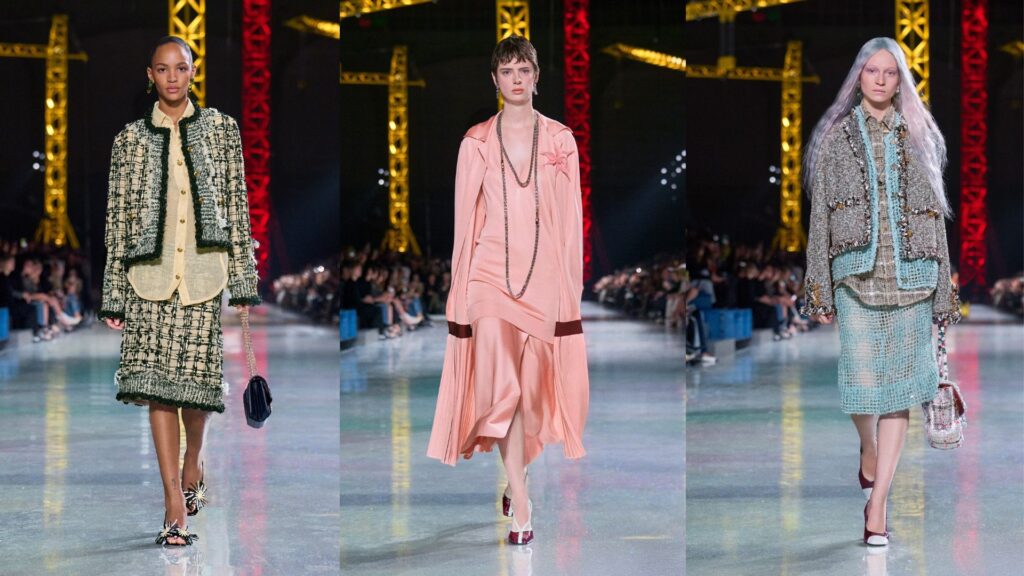
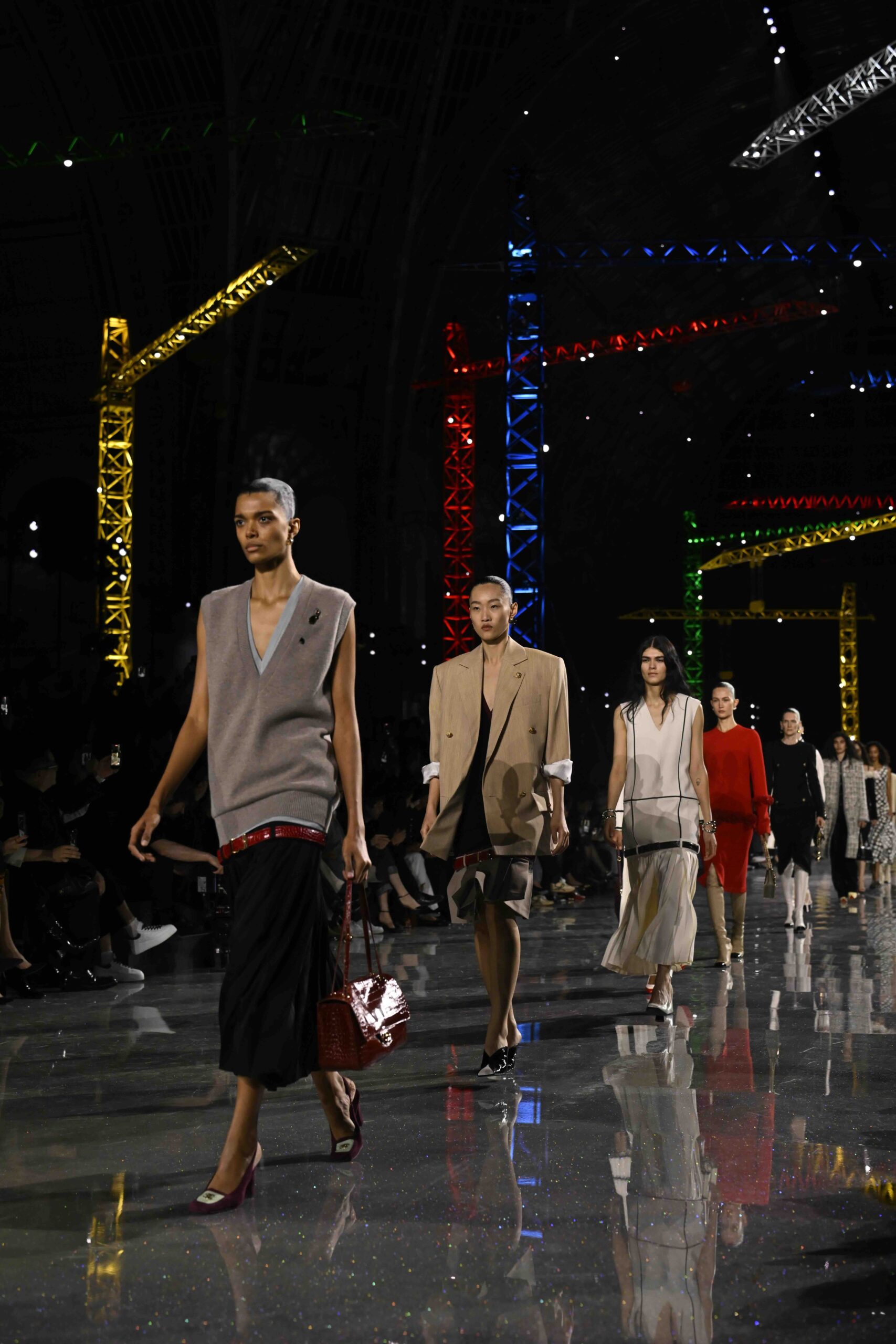
Under the glass vault of the Grand Palais last March, the scenery suggested a Maison still under construction, and cheerfully so. Lacquered cranes in primary colours hovered above a darkened hall like outsized toys, while models rose from a polished black floor as the clatter of building works dissolved into the voice of Cesária Évora. For “La Conversation – Part Two,” Matthieu Blazy’s second Ready-to-Wear collection for CHANEL (and his fourth show overall), he framed the show as precisely that. For Fall/Winter 2026, he presented a continuing exchange with Gabrielle Chanel, conducted this season in tweed, silk jersey, and a great deal of light.
The cheerfulness was earned. Blazy’s debut had made CHANEL the most coveted name in fashion again, everywhere at once, though Paris said it most plainly, its boutiques emptying within days. While debut collections are forgiven almost anything, it is the next one that tells you what a designer actually intends, which leaves the more interesting question of direction. In that light, the construction site reads less as an apology than as a statement of method. Blazy is building CHANEL not from the ground up but upward, like new storeys on foundations laid a century ago. And his answer came in the most CHANEL way imaginable.
He went back to the suit and refused to leave it alone, some arrived taken apart almost literally. Tweeds cut raw at the hem as though the fitting were still in progress, jackets pared back until their gilt chains stopped being ornamental and started doing the real work of holding cloth to the body. The skirt suit alone appeared more than 20 times and never twice the same way. Whether in cream tweed fringed at the edges, in appliquéd florals, or in pastel plaid coated with sequins.
The premise goes back to Gabrielle Chanel herself. “Fashion is both caterpillar and butterfly,” she once observed. “We need dresses that crawl and dresses that fly. The butterfly doesn’t go to the market, and the caterpillar doesn’t go to the ball.” Blazy replied with a credo of his own in the show notes. The wardrobe he proposed grants its wearer the liberty to move between those two states of transformation whenever they please, and to be unapologetic about either.
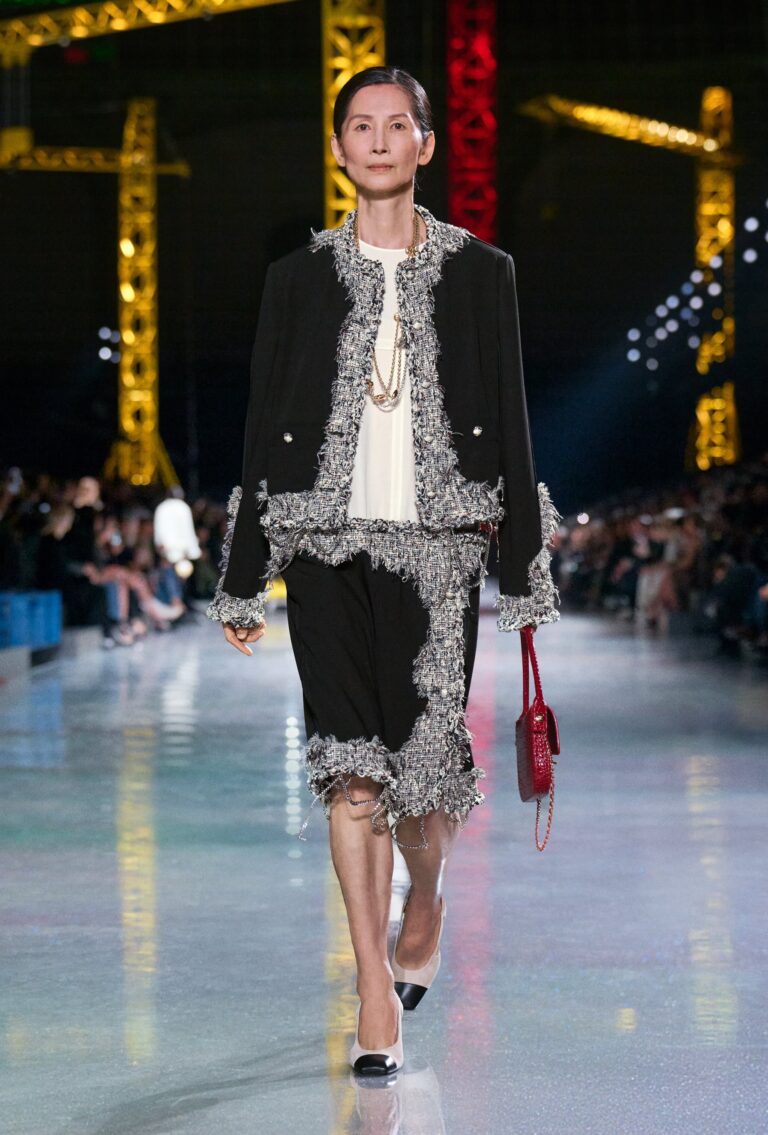
The caterpillar hours made the case for the crawl. Cotton shirts came chain-weighted and untucked, braided at the pockets, and clothes with the easy competence of a working day. That ease itself is a profound homecoming, since Gabrielle Chanel, who earned her own living, built her house on the clothes of working people, and Blazy keeps steering the label back there. The drop waist was the show’s defining line, slung low as the ’20s wore it on pleated dresses belted in leather, while the decades shuffled around it, from ’50s propriety, ’60s crispness, to the present era.
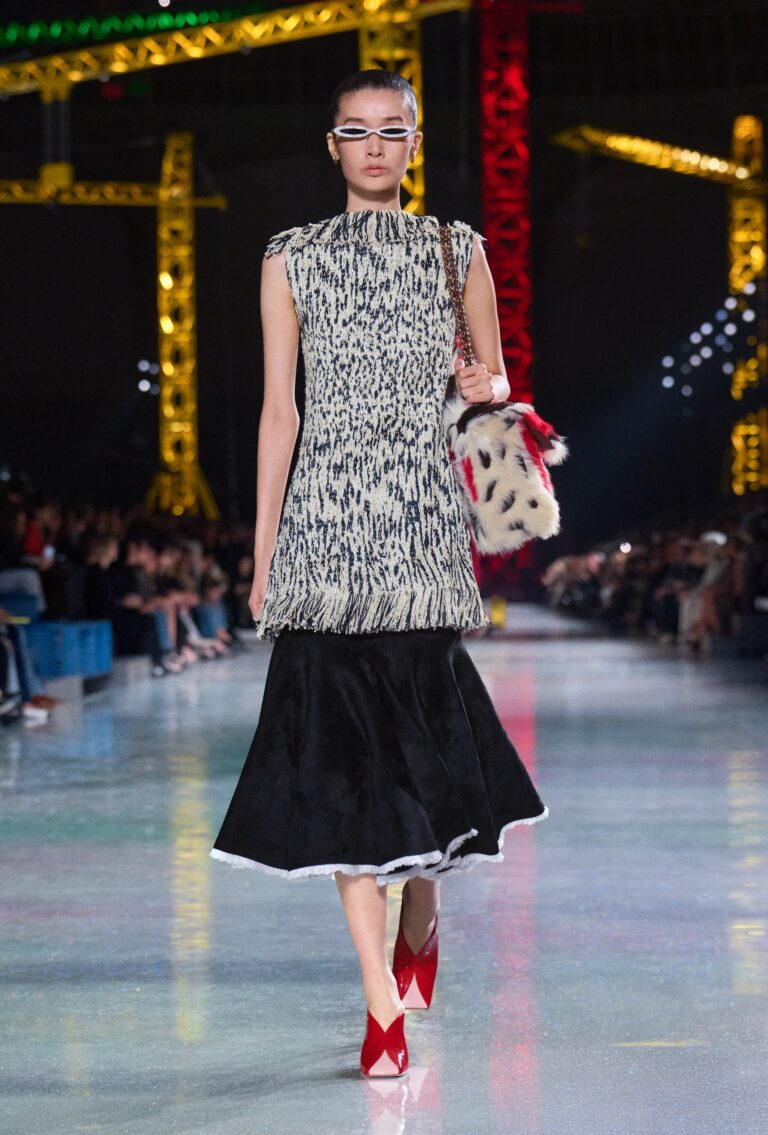
The butterfly hours answered in iridescence, gathering as day slid into night. Narrow chainmail jackets came printed to look like tweed, as if the day suit had followed its wearer into the evening. A wedding dress floated by, ribbons trailing, and the finale went full fairy tale, with metallic bags, pastel hair, and all. The embroidered insects were depicted as moths in soft, feathery colours. It is a French pun in which a moth is a papillon de nuit, the night butterfly. The buttons carried the same humour, in the shape of cocoa beans, a nod to Mademoiselle Coco.
The metaphor folded shut with the last look, a black jersey dress with a feathery Camélia pinned between the shoulder blades. After 78 looks, the wardrobe read fluent in the market and the ball, for a woman who declines to choose between her useful hours and her spectacular ones. The conversation between Blazy and Gabrielle Chanel continues, and neither seems in any hurry to end it.