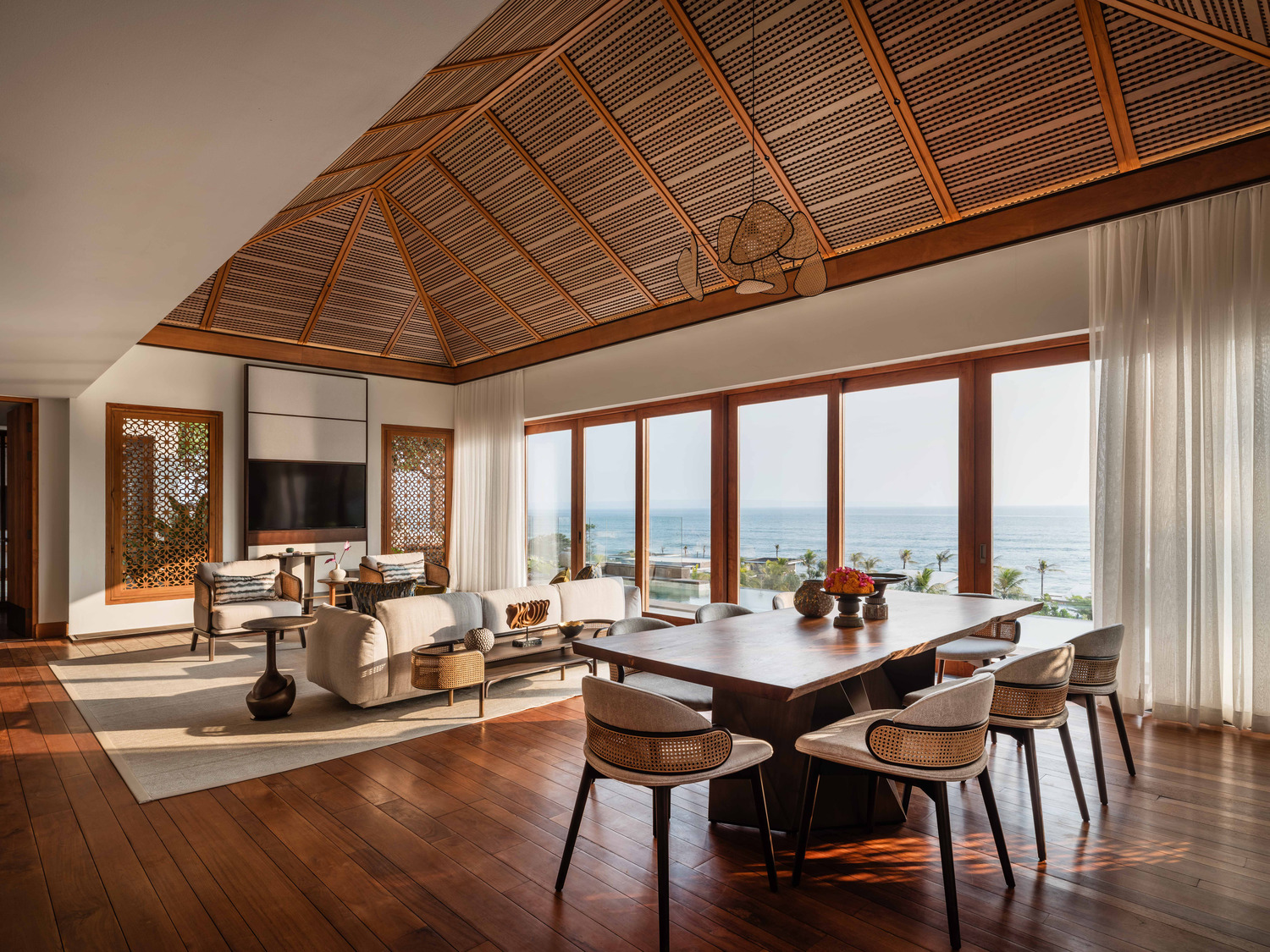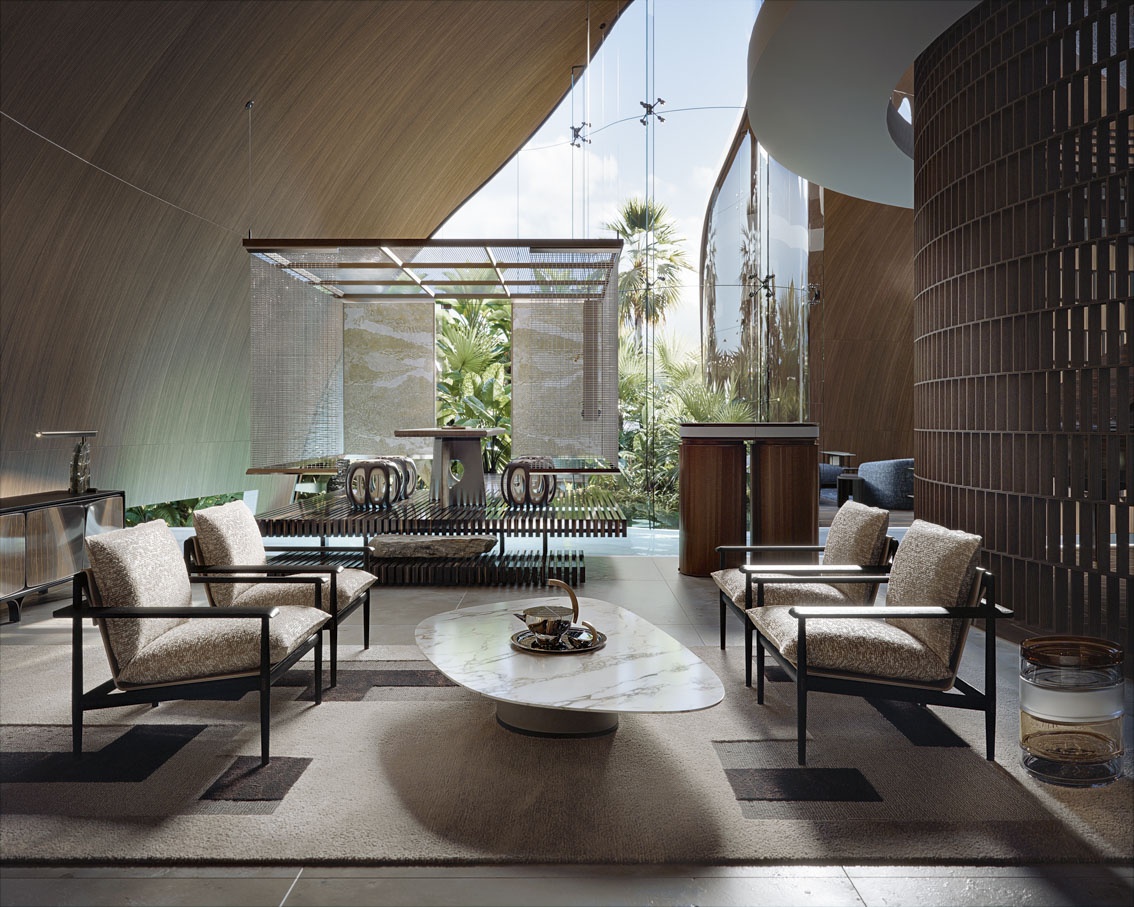

Great design is not always about making a statement. Sometimes, its greatest achievement lies in the details that go unnoticed: the way natural light enters a room, the proportions of a space, or an atmosphere that simply feels right.
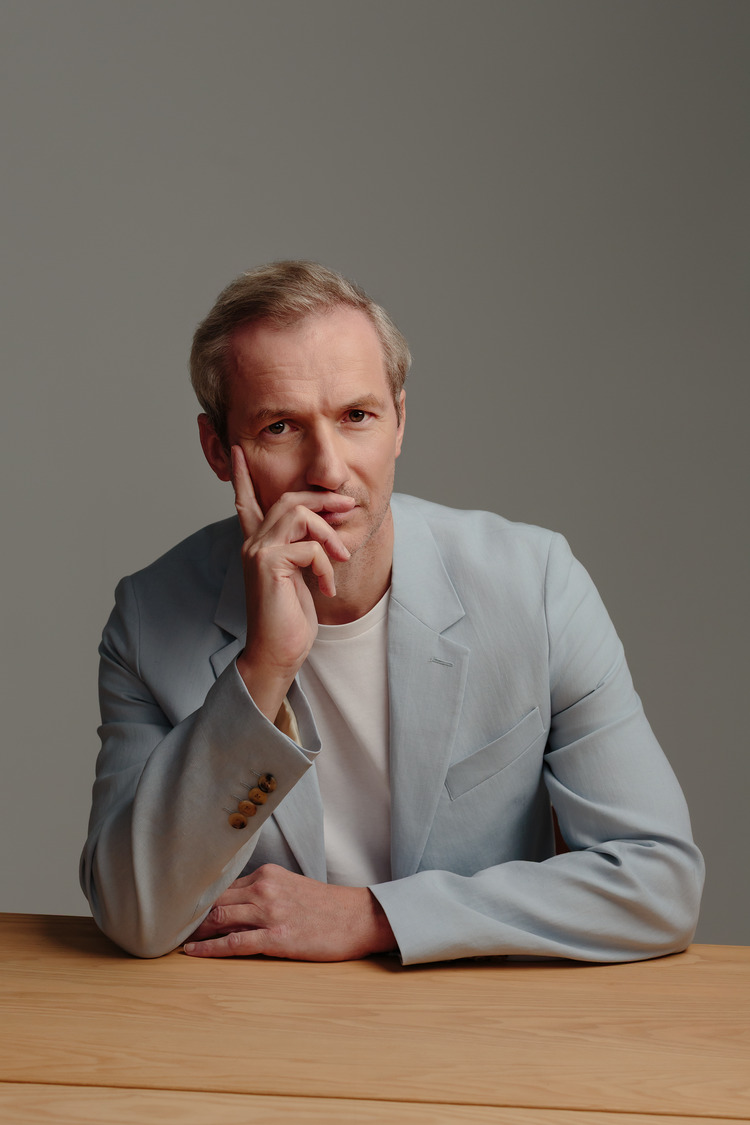
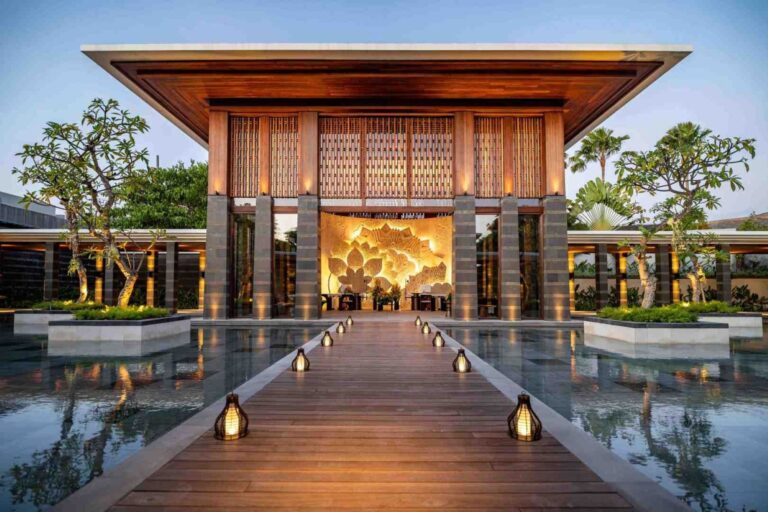
For Chris Godfrey, Co-CEO of Hirsch Bedner Associates (HBA), these subtle considerations define meaningful design. As the global hospitality design firm celebrates ten years of local presence in Indonesia with a diverse portfolio including Regent Bali Canggu and Marriott’s Sari Pacific Jakarta, Autograph Collection, he reflects on his entrepreneurial beginnings, HBA’s creative evolution, and why true luxury is ultimately about how a place makes us feel.
How did becoming a business owner influence your approach to design?
I started my first business in my twenties, driven entirely by creativity. There was little consideration for commerce initially. But as the company grew, I became responsible for other people’s livelihoods.
Every decision suddenly affected more than just myself. Navigating the 2008 financial crisis reinforced that responsibility. It taught me that creativity and commerciality must coexist. You should never lose sight of why you design, but understanding business is equally important. That balance continues to shape how I lead HBA today.
What attracted you to HBA, and how has the company evolved?
What fascinated me was HBA’s willingness to explore the world without limitations. Coming from London, where design thinking can be quite London-centric, I discovered a company with an entirely different outlook.
Today, HBA extends beyond hospitality interiors into architecture, master planning, landscape design, and strategic advisory. Yet we remain designers at heart. It’s about bringing different disciplines together and recognising that the whole can be greater than the sum of its parts.
What makes a design unmistakably HBA?
It’s not about creating a recognisable aesthetic. Every project should respond authentically to its location, culture, and context.
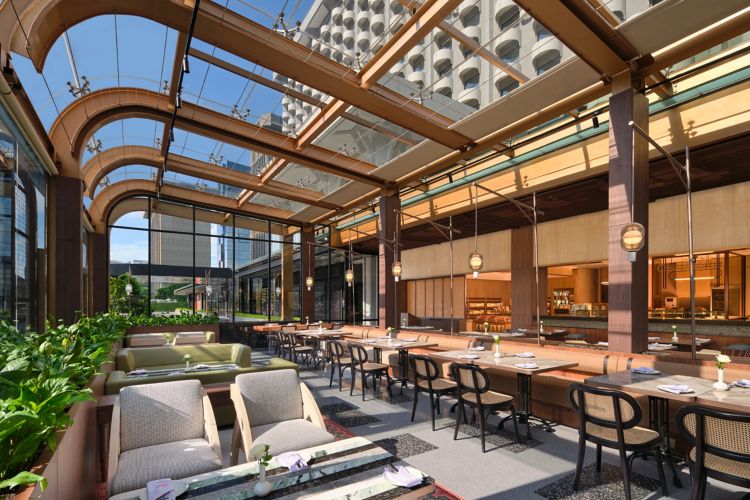
We begin with the human experience: how a space feels, how light falls, and how people interact with their surroundings. When proportions, balance, and atmosphere work together naturally, the design almost becomes invisible. Our philosophy is about creating design that gives form to emotion.
As HBA celebrates ten years in Indonesia, how has the local practice influenced its global perspective?
We’ve actually worked in Indonesia for approximately 35 years, initially from Singapore. Establishing a dedicated local presence was an important evolution. Today, it’s no longer about international teams arriving with predetermined solutions. It’s about empowering local designers who truly understand their culture and environment.
What’s equally exciting is how knowledge from Indonesia can influence our global network. The relationship should work both ways.
How does HBA incorporate Indonesia’s cultural heritage without making it merely decorative?
Authenticity begins with curiosity. We encourage designers at every level to investigate local traditions, discover artisans, and understand the deeper meaning behind cultural references.
Every project presents different circumstances, but the ambition remains consistent: creating something appropriate, meaningful, and truthful to its surroundings.
Finally, how do you see the meaning of luxury evolving?
I’ve always believed luxury doesn’t need to be ostentatious. Having worked with extraordinarily wealthy individuals, I’ve realised that what people truly value is often remarkably simple. Time, peace, health, and meaningful connections are increasingly precious.
For me, luxury might simply be a beautiful view, a table with a book, perhaps a glass of red wine, and being surrounded by people you love. Ultimately, the greatest luxury is often the simplest.