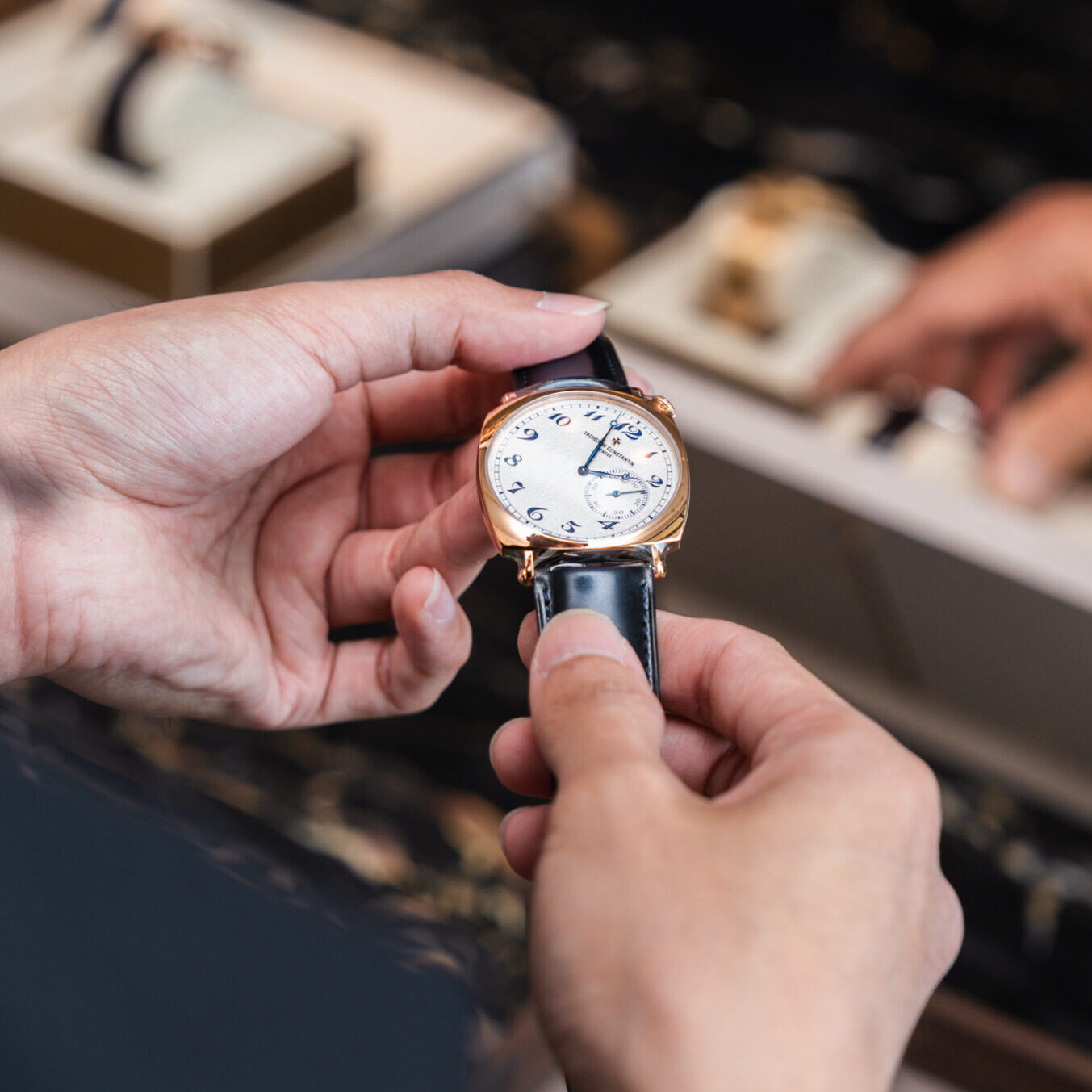
Breguet is one of those rare watchmaking Maisons whose creations can be recognised without a logo in sight. Not through ostentatious design or conspicuous branding, but through a visual language so distinctive that it speaks to those who know where to look.
The Maison’s intelligent balance between technical substance and aesthetic restraint embodies a compelling paradox: behind their apparent simplicity lie layers of mechanical complexity, refined until every detail feels intuitive and purposeful. For the discerning eye, Breguet’s ingenuity lies not in how much a watch can do, but in how effortlessly it does so.
To understand Breguet is to understand its founder, Abraham-Louis Breguet, whose innovations helped shape modern watchmaking. Born in Neuchâtel in 1747, he established his Paris workshop in 1775 and patented the tourbillon in 1801, a landmark achievement in mechanical horology. His influence endures not only through technical breakthroughs, but also in the signature hands, numerals, and guilloché that continue to define the Maison’s distinctive identity.
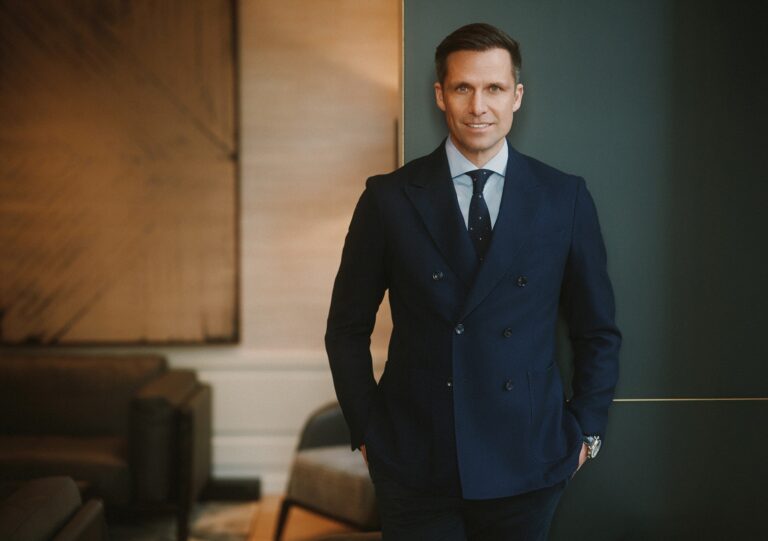
Today, Breguet’s legacy is carried forward by CEO Gregory Kissling, whose background in microtechnology and more than two decades at the Swatch Group inform his approach to the Maison’s technical and creative ambitions. Appointed in October 2024, he shares with The Time Place Magazine how Breguet continues to honour its founder’s innovative spirit while looking ahead, as exemplified by the latest Tradition collection, where mechanical ingenuity takes centre stage.
You joined Breguet as it celebrated its 250th anniversary. Do you see yourself more as a guardian of its legacy or an architect of its next chapter?
Neither completely. Of course, when you arrive at a Maison with 250 years of history, you have a responsibility towards what has been built before you. But Breguet’s history is above all a history of invention. So simply preserving what already exists would not, in my view, be enough. My responsibility is to understand what makes Breguet unmistakably Breguet, protect those fundamentals, and then give the teams the freedom to continue developing them. Heritage should give us direction, not prevent us from moving forward.
Having spent much of your career as an engineer and product leader, is there a particular aspect of Abraham-Louis Breguet’s way of thinking that resonates with you most?
His ability to question what already existed. He was not innovating simply to demonstrate that something new could be done. Most of his inventions responded to a very concrete problem: precision, reliability, legibility, ease of use. That is something I find extremely modern. As an engineer, you can sometimes be tempted by complexity because technically it is fascinating. But the real question should always be: does it make the watch better?
A Breguet watch should never be purely decorative, but neither should its technical sophistication become an excuse for unnecessary complexity. There must always be something behind the beauty of the object: an idea, an invention, a particular construction or exceptional craftsmanship. I think Abraham-Louis Breguet had this extraordinary ability to combine technical intelligence with a very practical understanding of what a watch should do for the person wearing it.
Every heritage brand faces the pressure of attracting a new generation. How do you design for contemporary collectors without falling into the trap of trying to make a 250-year-old House look younger than it needs to be?
I think the mistake would be to design a watch specifically to look younger. A good product should be able to speak to different generations. Our responsibility is to understand how expectations are changing without simply following trends. Today’s collectors may look for different proportions, different materials or a different way of wearing a watch, and we need to listen to that. But the answer has to remain coherent with Breguet. In the end, I believe relevance comes from creating something strong enough to feel contemporary without having to announce that it is contemporary. I believe that if the product is right, you don’t need to force it.
You have described Tradition as the icon of Breguet. What, in your view, transforms a successful watch into an icon?
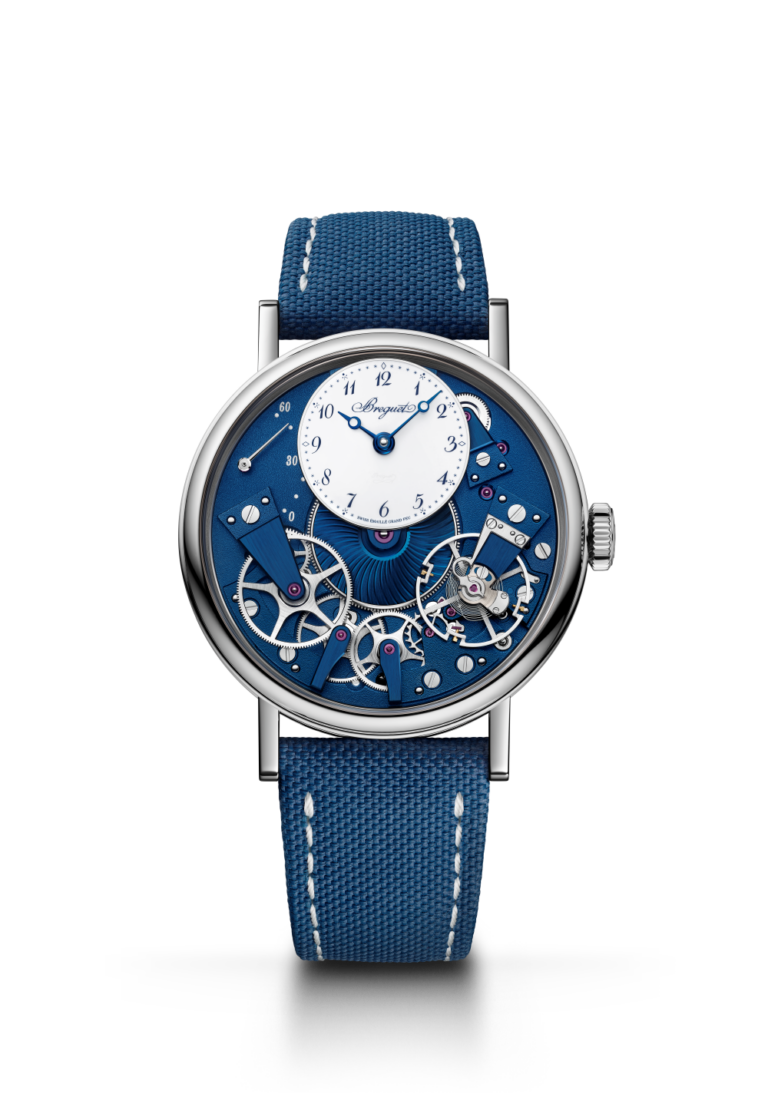
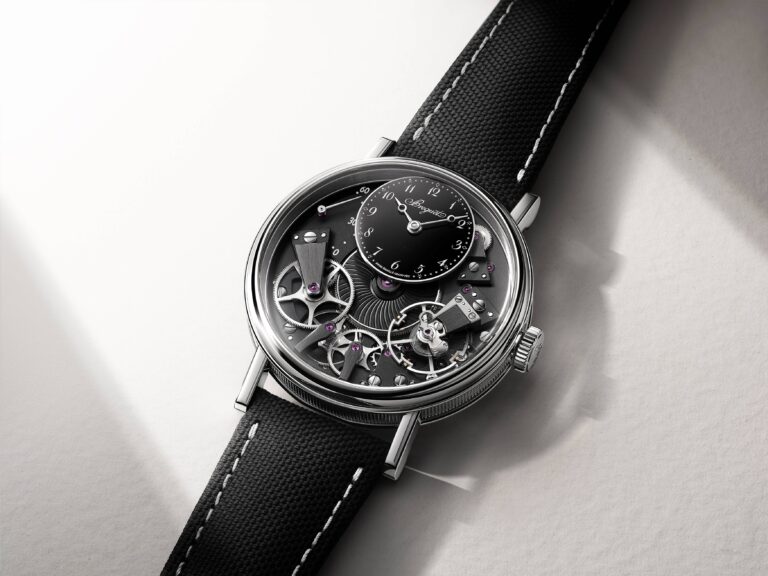
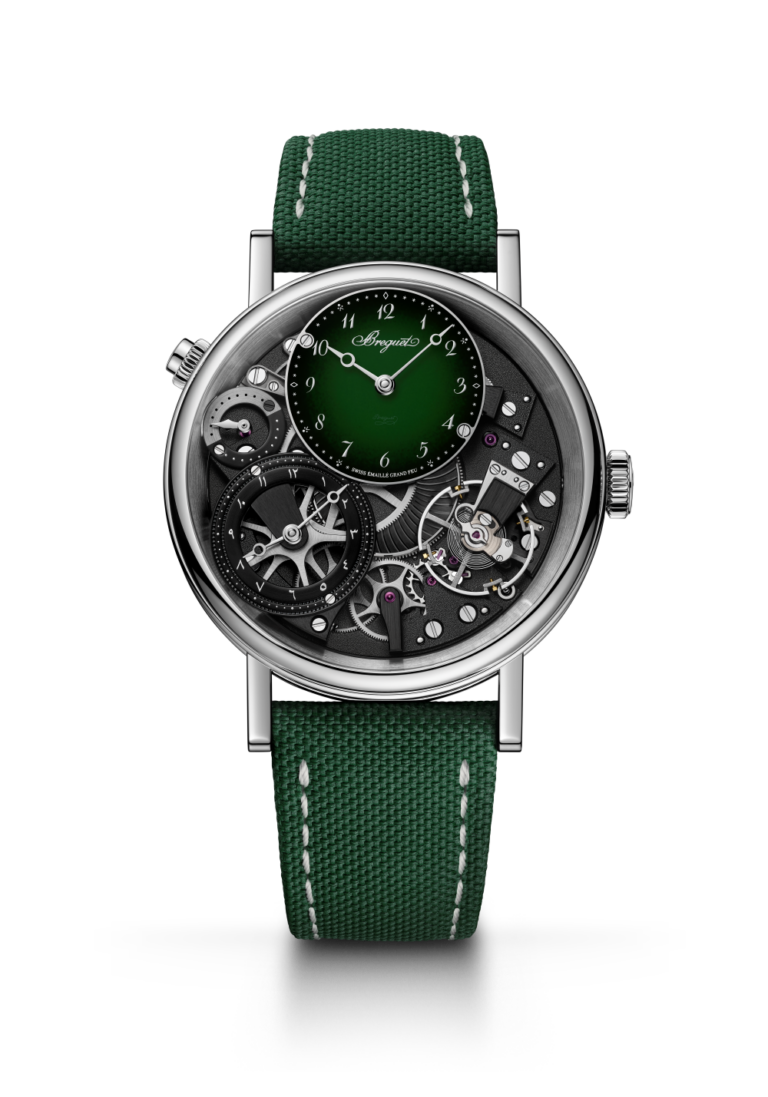
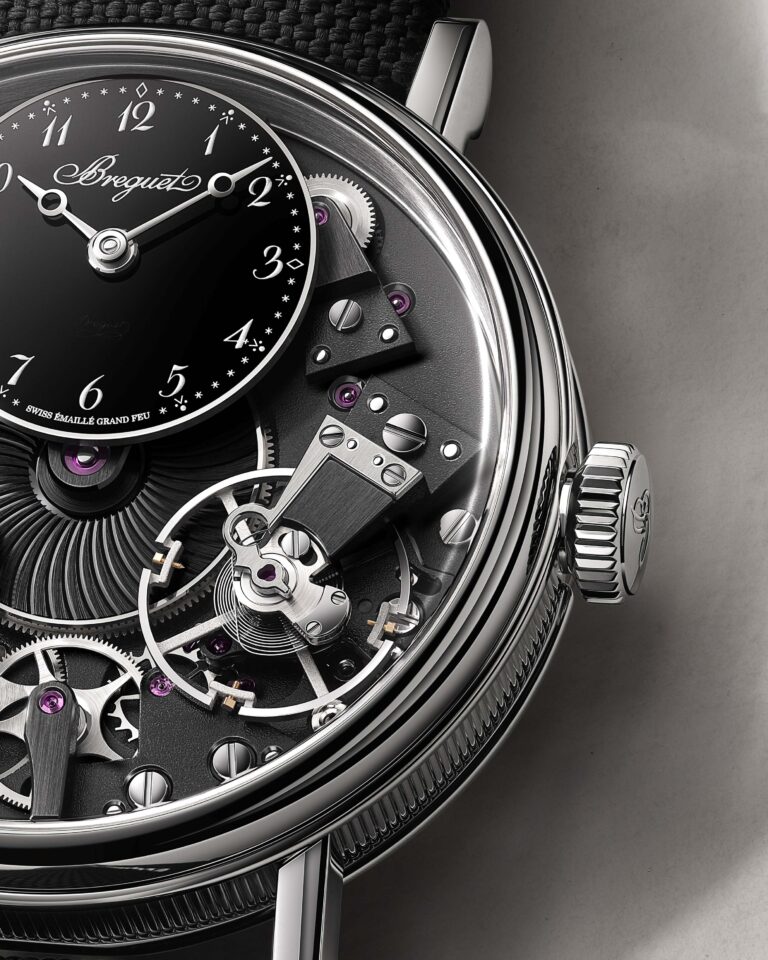
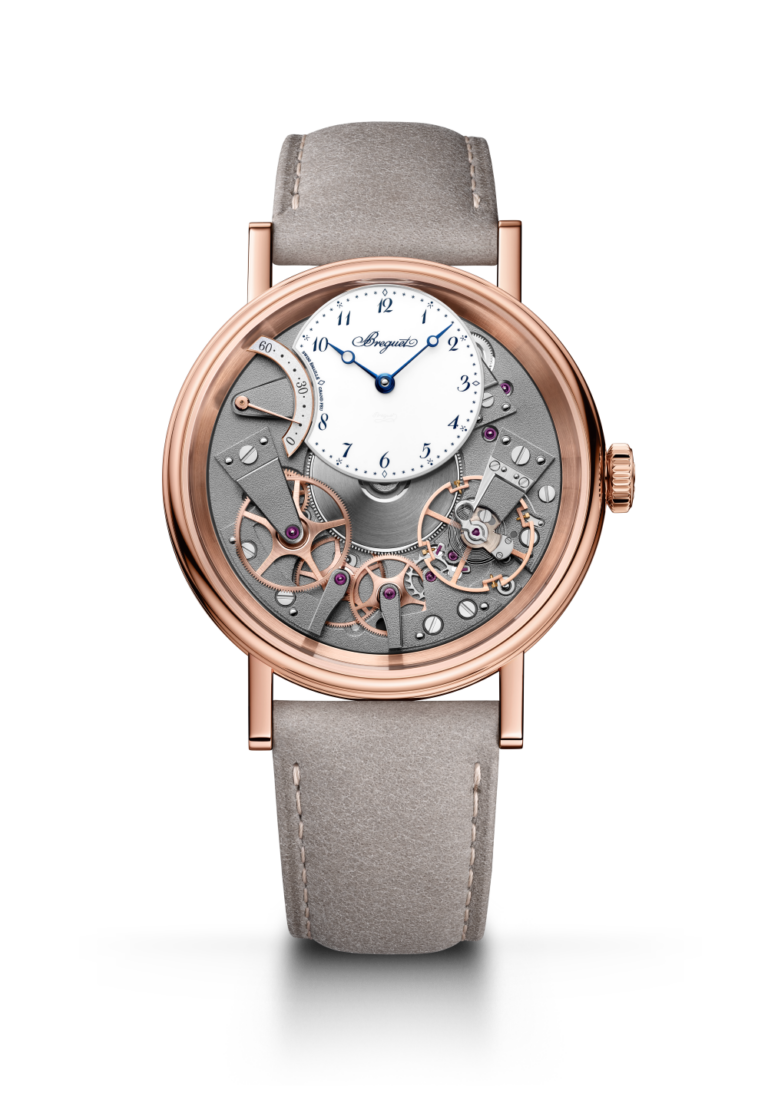
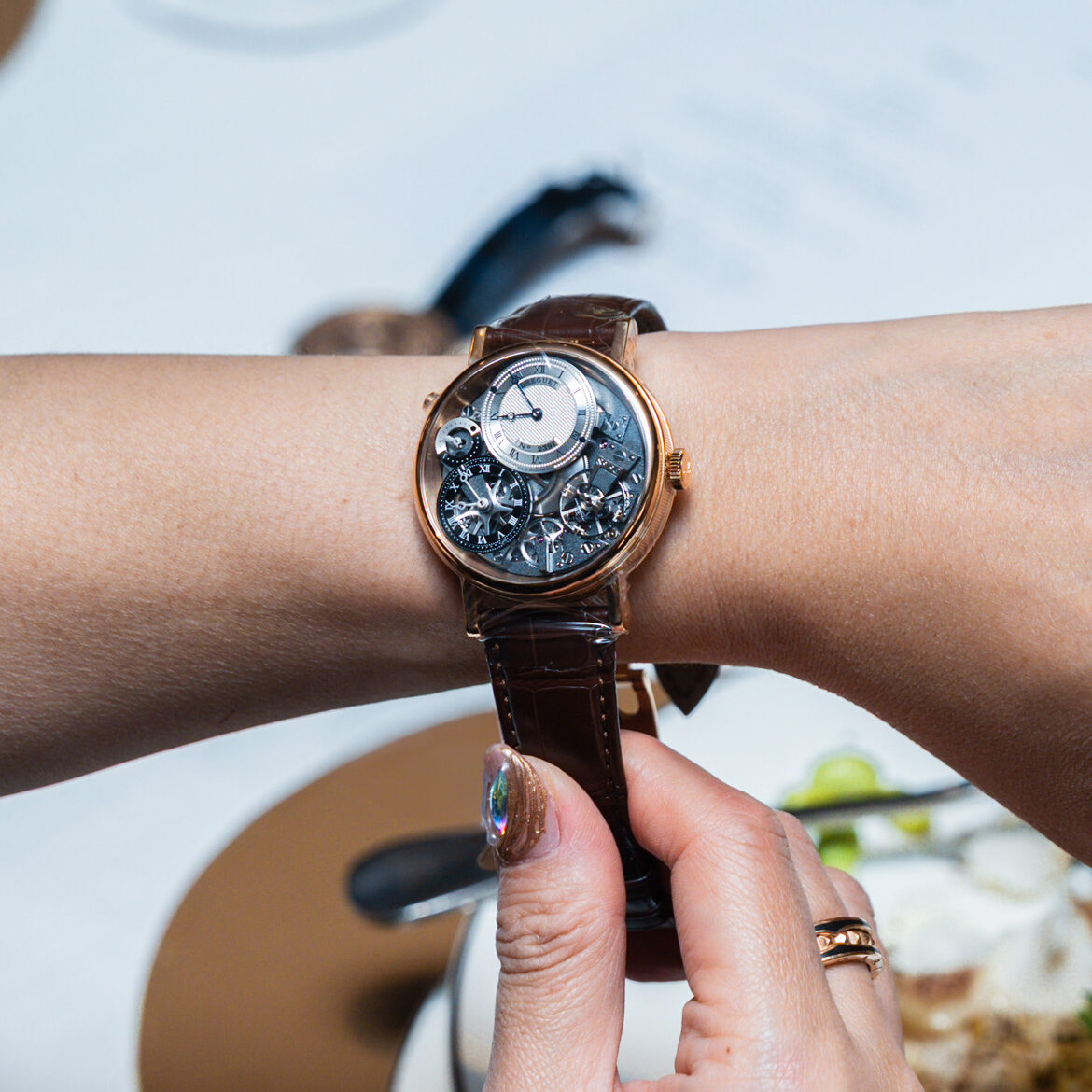
For me, the first thing is identity. You should be able to recognise an iconic watch without necessarily seeing the name on the dial. Tradition has that quality. Its architecture is immediately identifiable, and importantly, it could really only belong to Breguet. It takes inspiration from the architecture of the souscription and tact watches created by Abraham-Louis Breguet, but the result feels surprisingly contemporary. Longevity is also essential. You cannot decide that something is an icon when you launch it. Time decides that. An icon is a design that remains relevant even as tastes around it change.
The new Tradition models demonstrate that modernisation does not necessarily require radical change. In an industry that often equates novelty with visibility, how do you recognise when a subtle evolution is enough?
I think you have to start with the product rather than with the desire to create novelty. If something is already strong, changing it radically simply to make it look new can actually weaken it. With Tradition, the architecture is extremely distinctive and already very contemporary.
We don’t need to reinvent its identity every few years. The question is rather: where can we improve proportions, finishing, materials, performance or the way the watch sits on the wrist? Sometimes innovation is immediately visible, sometimes it is almost invisible. I don’t think one is necessarily more valuable than the other. What matters is whether the change makes sense for the watch.
The Tradition collection puts the mechanism at the centre of the experience. Why do you think people are increasingly drawn to understanding how an object works, particularly in an age when so much technology has become invisible and inaccessible?
I think that is precisely what makes mechanical watchmaking so fascinating today. We live surrounded by incredibly sophisticated technology, but most of the time we have absolutely no idea how it works. You touch a screen and something happens. With a mechanical watch, the opposite is true. You can see the energy being transmitted, you can see the balance beating, you can understand that one component is interacting with another. There is something very tangible and almost reassuring about that.
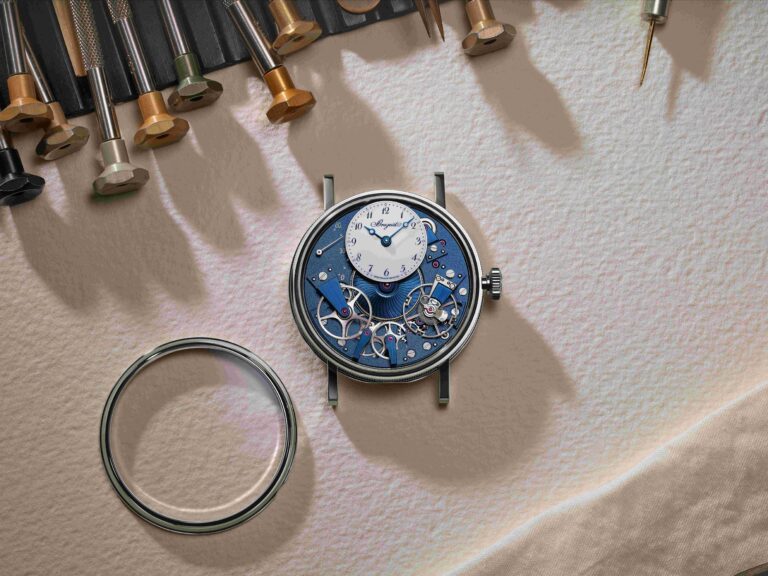
Tradition expresses this particularly well because the architecture normally hidden beneath the dial becomes the design of the watch itself. You don’t simply wear the mechanism; you can observe and understand it. And I think that creates a very different emotional relationship with the object.
Abraham-Louis Breguet spent his life trying to solve problems that other people had accepted as limitations. As you lead the House 250 years later, what is a limitation in modern watchmaking that you would still like Breguet to challenge?
Precision remains an extraordinary field of exploration. It may sound paradoxical because mechanical watches today can already achieve remarkable levels of performance, but there are still physical forces that affect a movement: gravity, shocks, magnetism or variations in torque as the energy stored in the barrel decreases. This is exactly the kind of subject that interests us because it brings us back to the fundamental purpose of mechanical watchmaking: measuring time as precisely as possible.
With the Expérimentale 1, for example, we have already started exploring some of these questions in a very different way. What fascinates me is that, even after more than two centuries of mechanical watchmaking, there are still accepted limitations that we can question. That is probably one of the most Breguet things we can do.