Distinguished as one of the foremost watch manufacturers in haute horlogerie, Zenith is a master of chronometry. Winning over 2,333 chronometry prizes throughout the years for the precision of its movements, the brand forges ahead guided by the principles established by its founder, Georges Favre-Jacot. Now celebrating its 160th anniversary, Zenith reaffirms its position by staying true to its values and upholding only the finest practices in watchmaking.
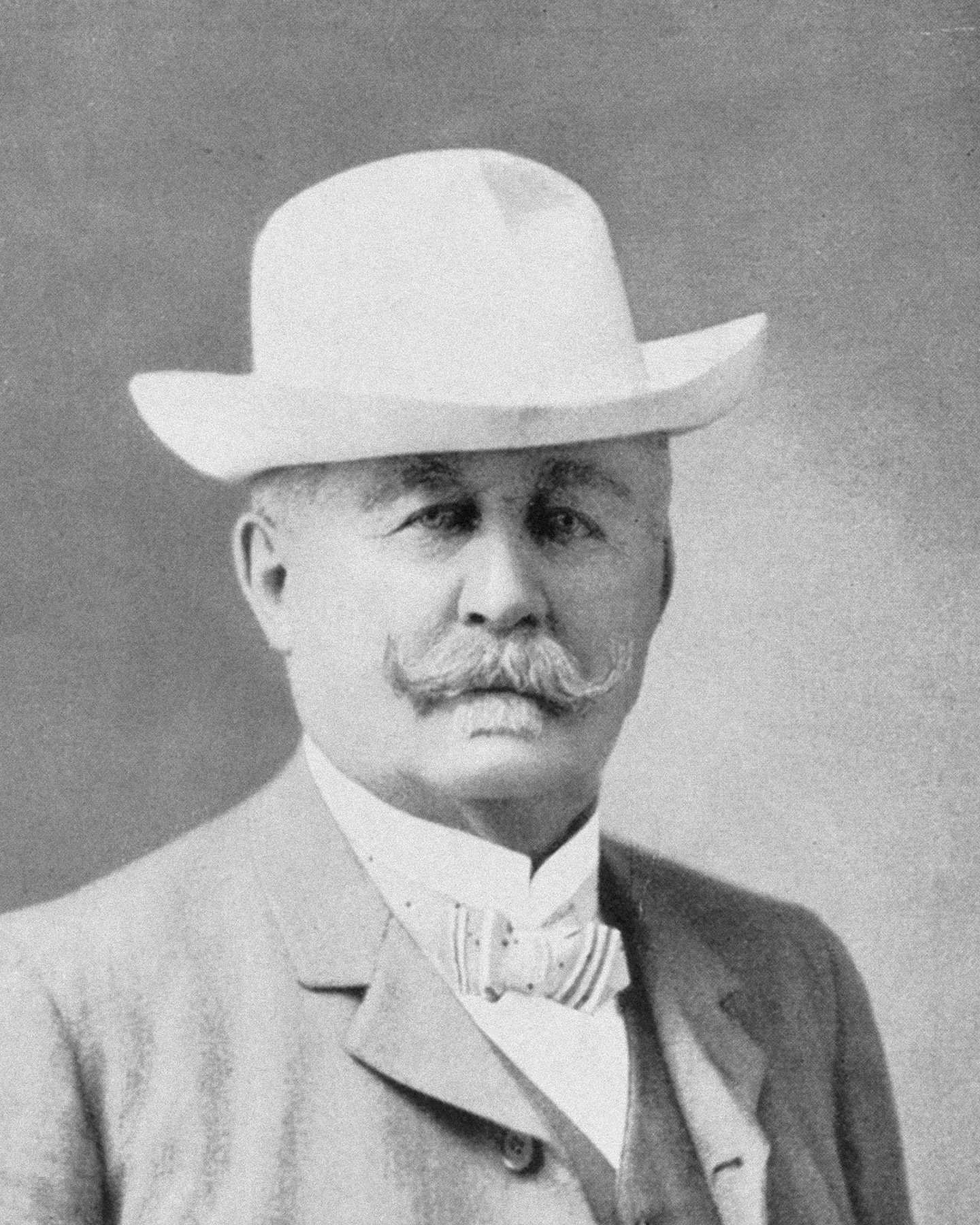
Zenith’s journey began in the mid-19th century, in Le Locle, Switzerland. A young Georges Favre-Jacot had dreams of creating the most precise watch known to man. To bring this to fruition, the visionary watchmaker realised he had to rethink the traditional way watches were made—parts of the timepiece were brought to skilled craftspeople, at different locations—and bring all the talents and crafts required under one roof.
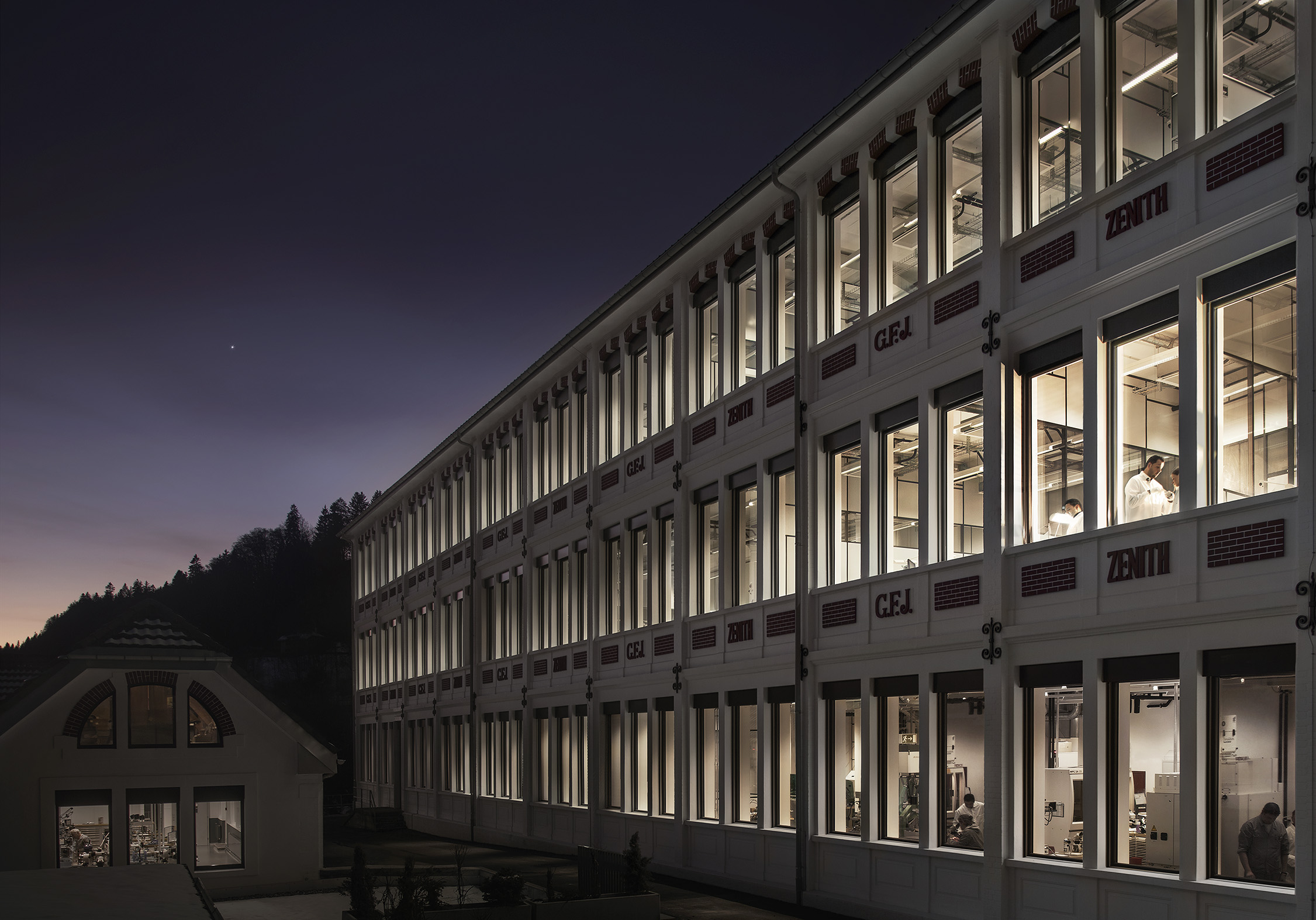
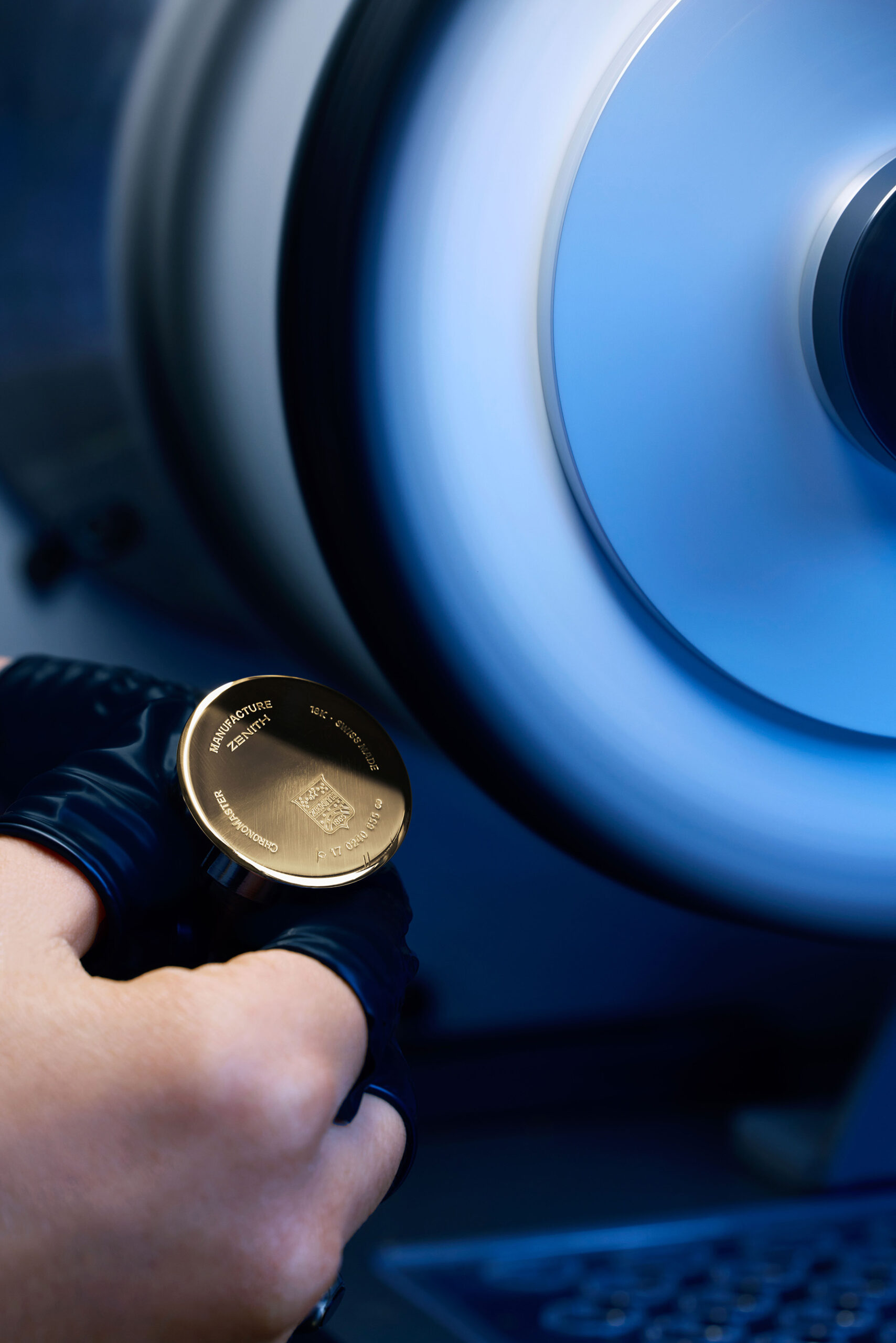
Together with his wife, Favre-Jacot opened his first watchmaking atelier in 1865 on Rue de Billodes, where the Zenith remains headquartered today. By following his instincts and uniting all necessary skills under one roof, Favre-Jacot revolutionised the industry and successfully merged innovation with technical excellence. Within a few years, the Zenith Manufacture became the largest in the Neuchâtel Mountains, with 18 buildings covering 9,300 square metres, where over 600 artisans produced 100,000 watches annually by the early 20th century.
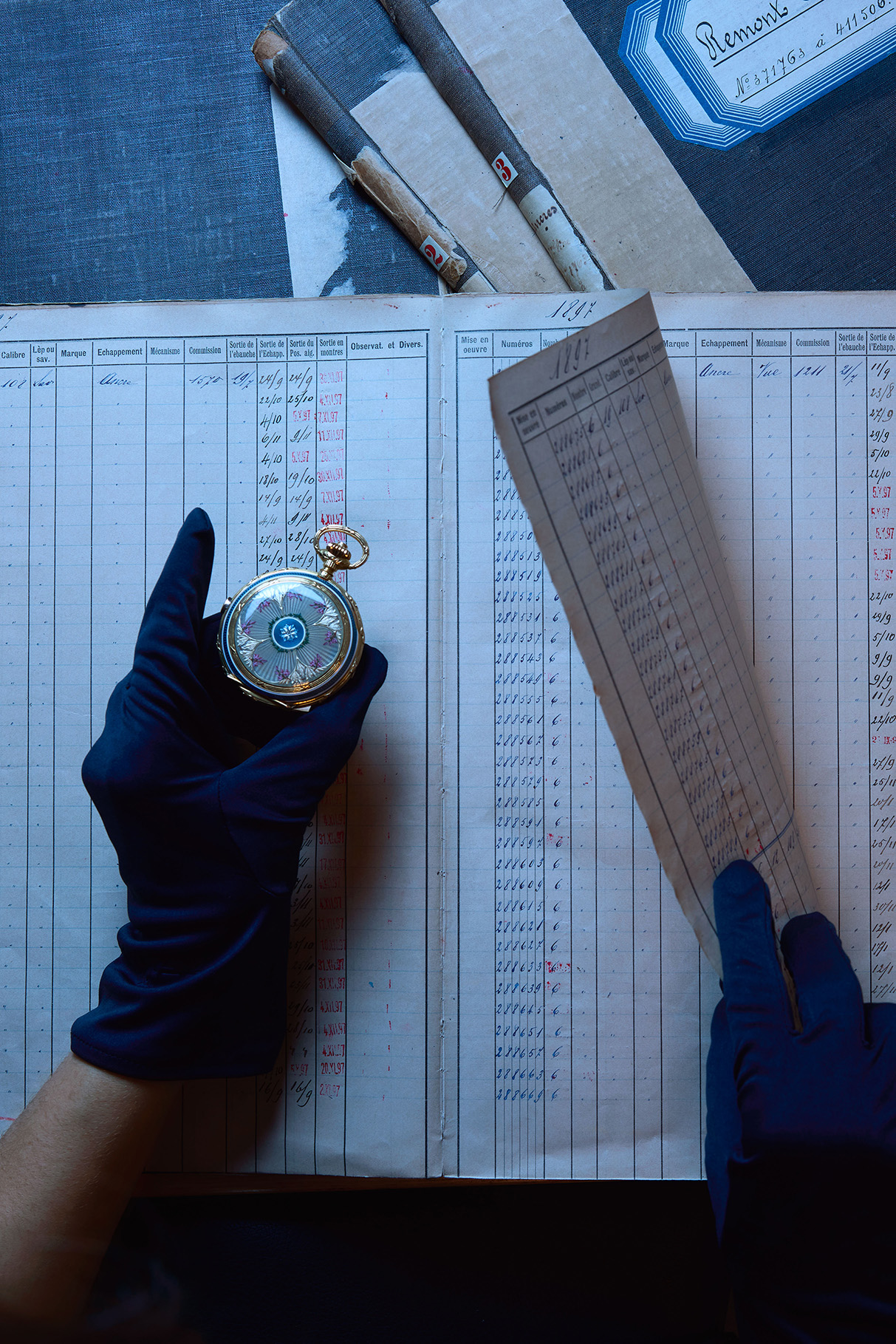
In 1898, Favre-Jacot’s dream of making the perfect watch served as an inspiration in the search for the manufacture’s name. Envisioning a future in the stars, he singled in on the word “Zenith,” symbolising ascension and perfection. He used the word for his first masterpiece calibre. The Zenith calibre, a dependable movement, was produced using standardised methods.
One of the brand’s most enduring calibres, the mechanism accompanied it with different variations for nearly half a century and was lauded at a number of chronometry competitions. In 1911, the Maison itself was named Zenith, a fitting appellation that serves as a steadfast declaration of its journey toward excellence.
Two years later, the world was witness to the attempts of aviation pioneers to take to the skies. Recognising the potential of this field, Zenith offered a watch to Louis Blériot, author of the first successful flight across the English Channel. A French aviator, inventor and engineer, Blériot commended Zenith’s precision, even saying he was very satisfied with the watch and could not “recommend it highly enough to people who care about accuracy.” This was the beginning of Zenith’s relationship with aviation, and its neverending quest to deliver perfect accuracy.
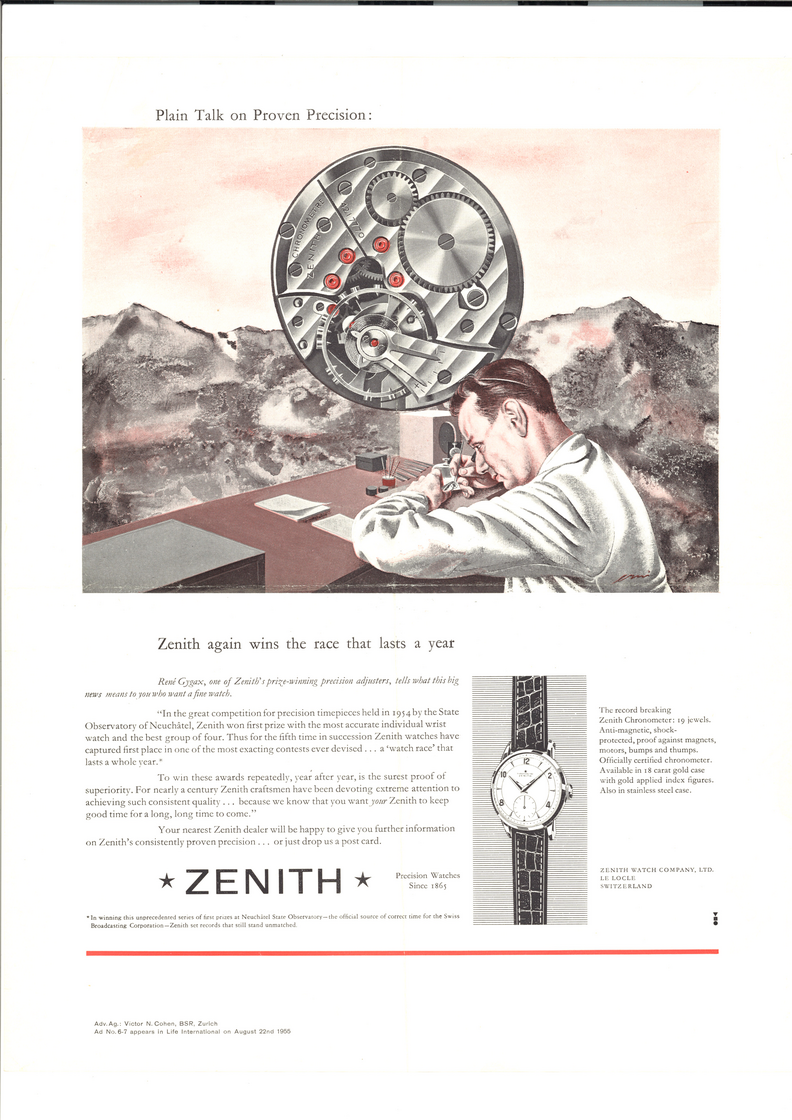
As Zenith became synonymous with precision, it became a supplier of choice for public institutions such as the Swiss postal service and astronomical observatories as well banks, insurance companies, and even the military. In 1949, Zenith unveiled a new benchmark of precision and one of its most legendary chronometer calibres, Calibre 135. A movement that trumped all others, it included several innovative features that allowed it to win five consecutive Neuchâtel Observator chronometry prizes from the period of 1950 to 1954.
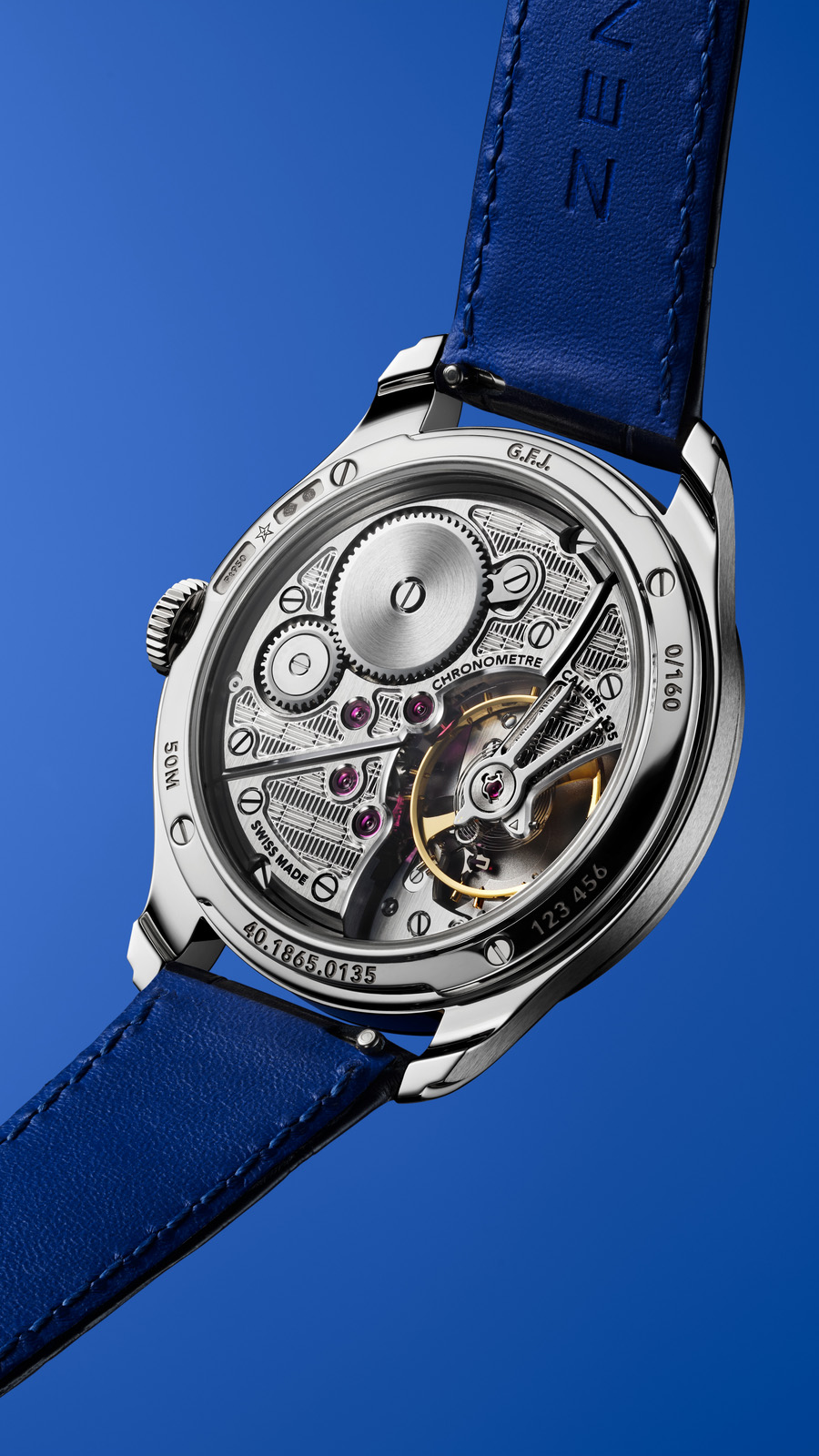
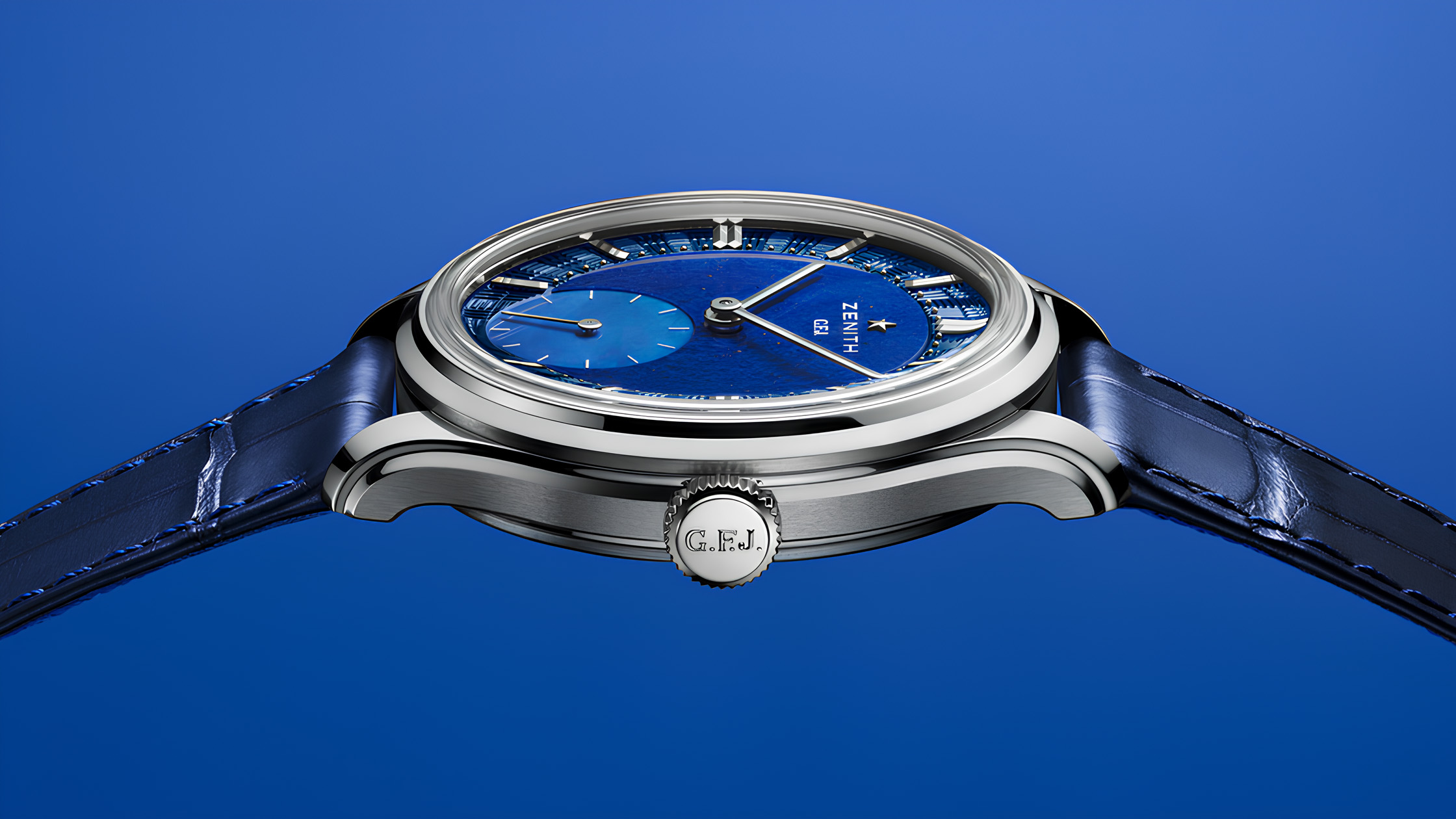
This year, Zenith presents a modernised take on Calibre 135, while also staying true to its historical roots. With a signature offset centre wheel for more balance and stability, it now provides a 72-hour power reserve to the new G.F.J. timepiece. Presented in a 39 mm platinum case, the watch is a limited offering of 160 pieces worldwide, a fitting tribute to the milestone anniversary of the manufacture.
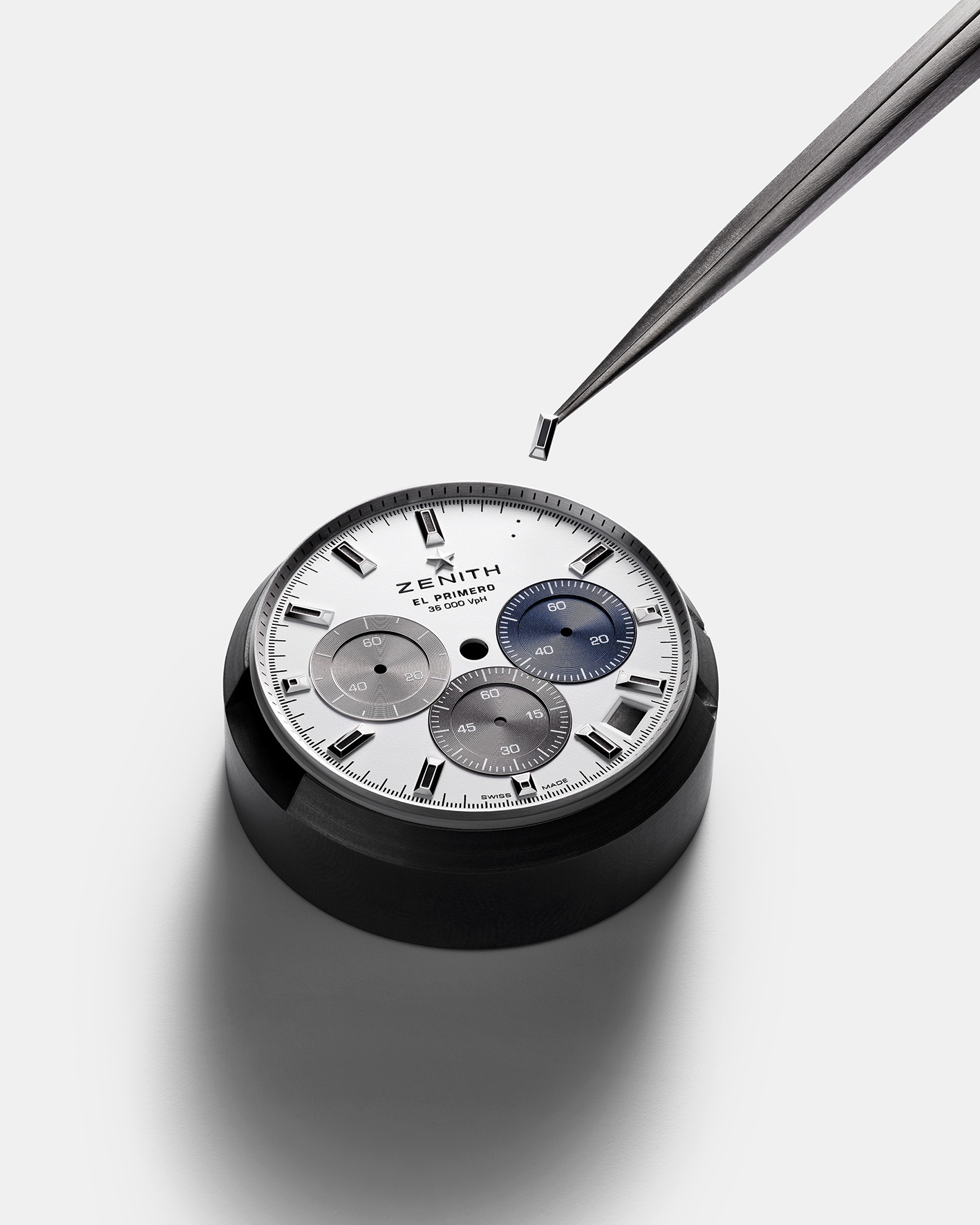
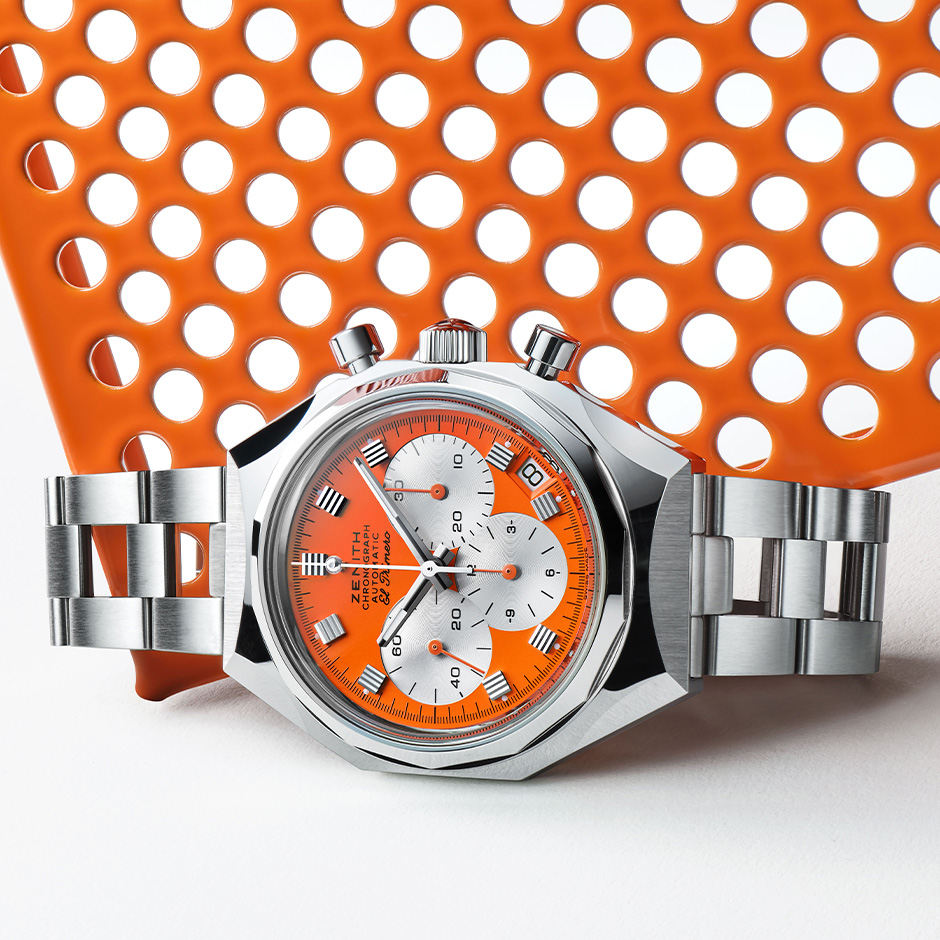
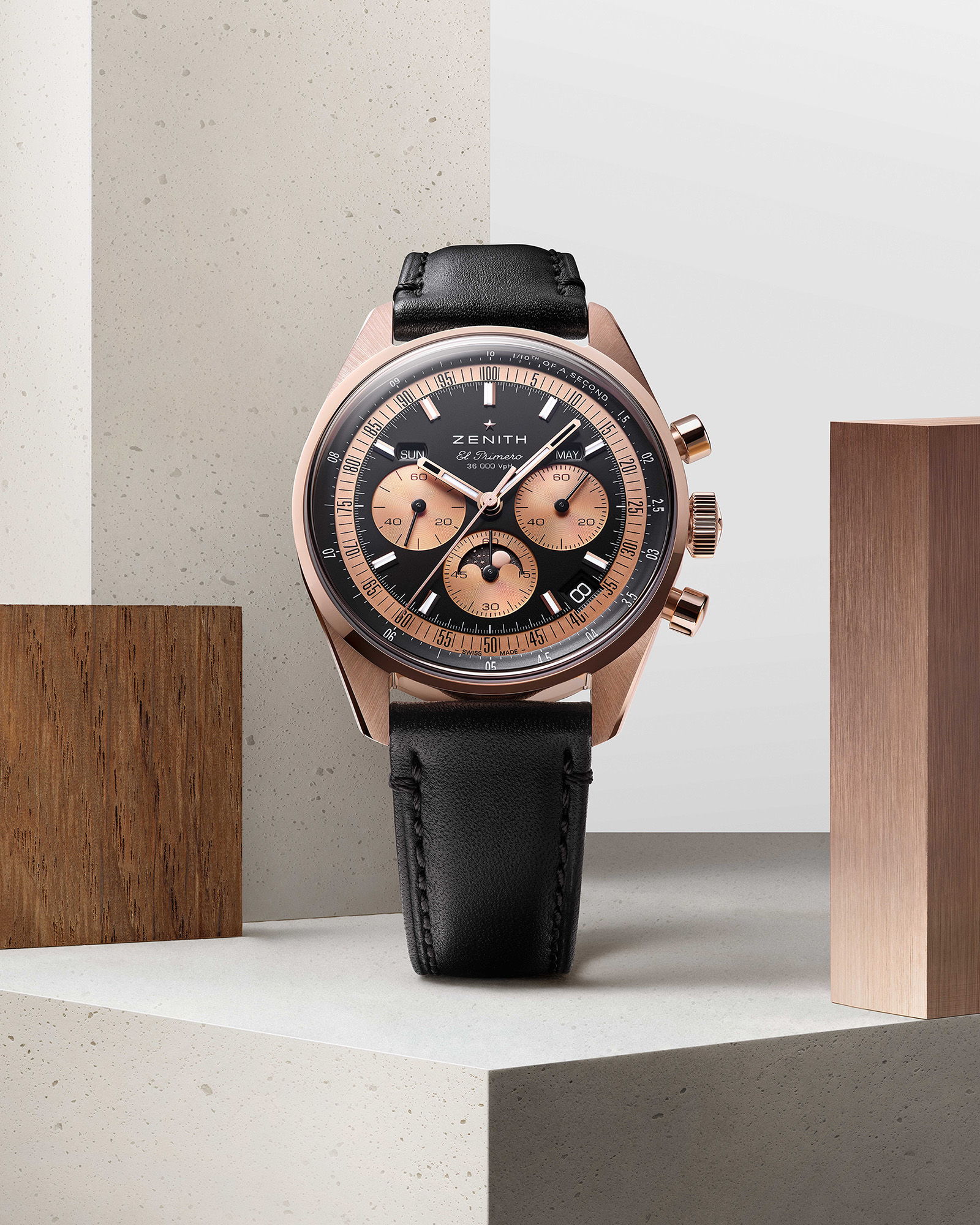
Apart from Calibre 135, another prestigious movement within the Zenith repertoire is the El Primero. A masterpiece of exceptional watchmaking, the El Primero was the first automatic chronograph unveiled on Januar 10, 1969. The product of over seven years of development, it was the first ultra-thin high frequency integrated automatic chronograph, beating at 36,000 vibrations per hour, and measuring one-tenth of a second. The result of intensive R&D, which envisioned a modern production method using the latest generation tools, Zenith accomplished this by rethinking the chronograph structure and streamlining the way it was produced.
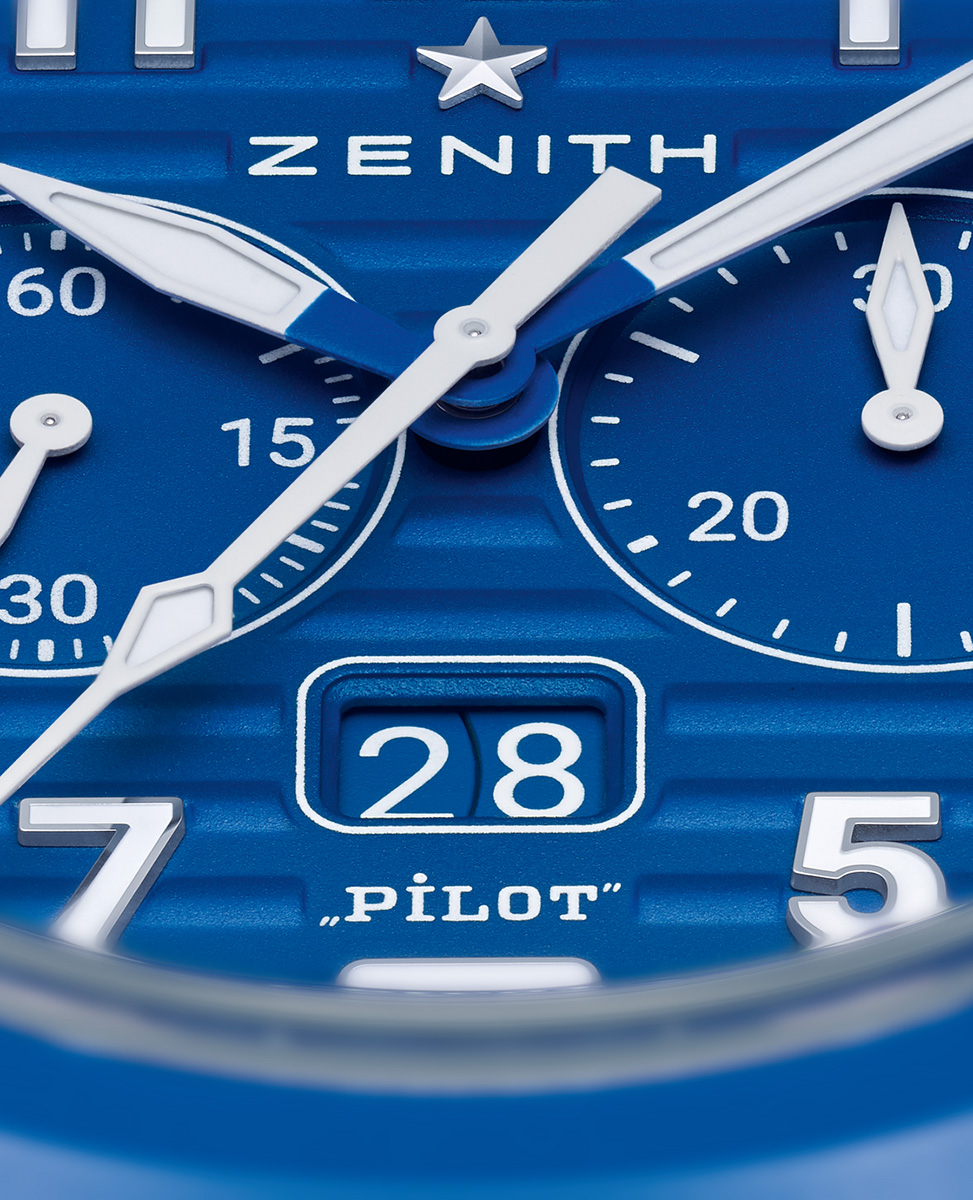
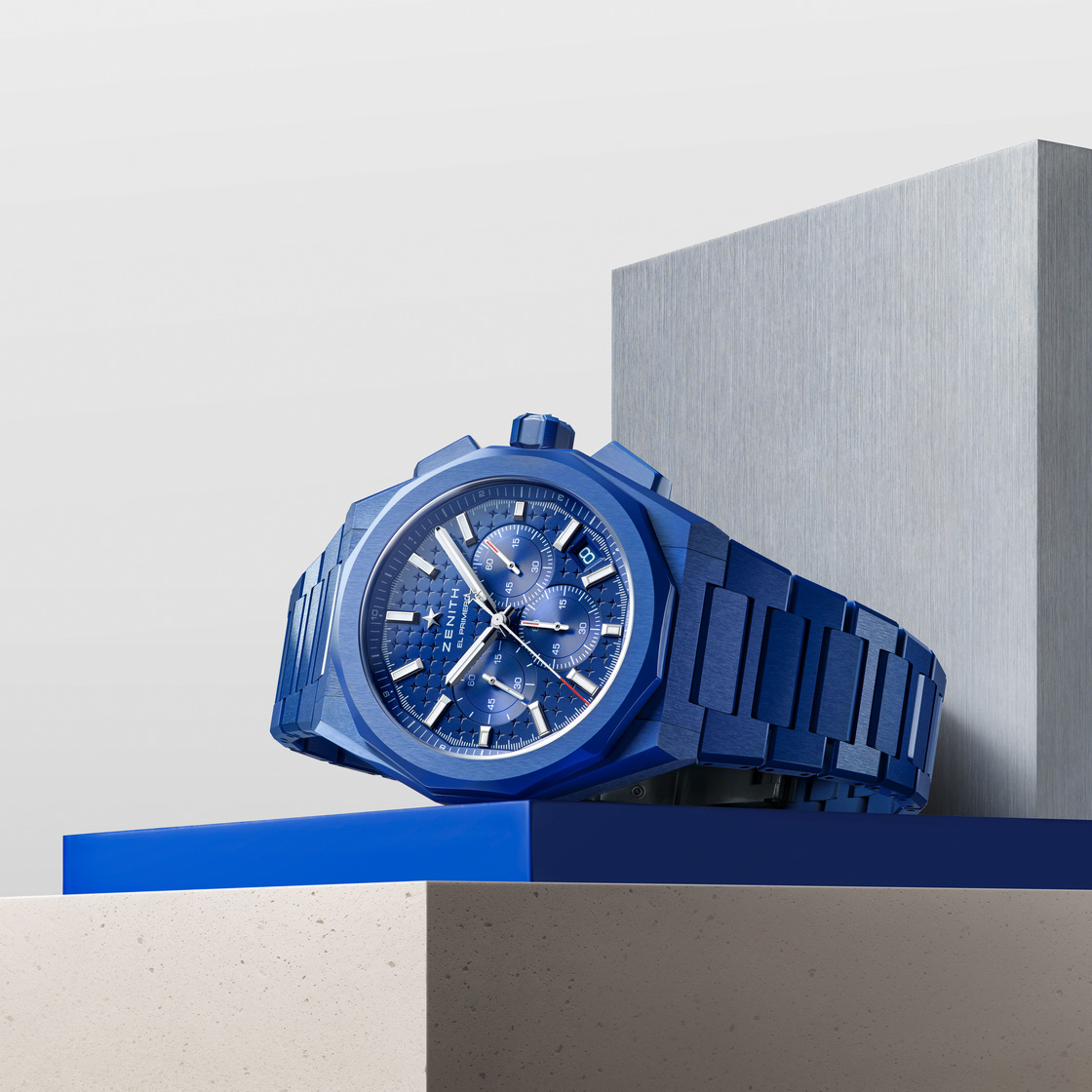
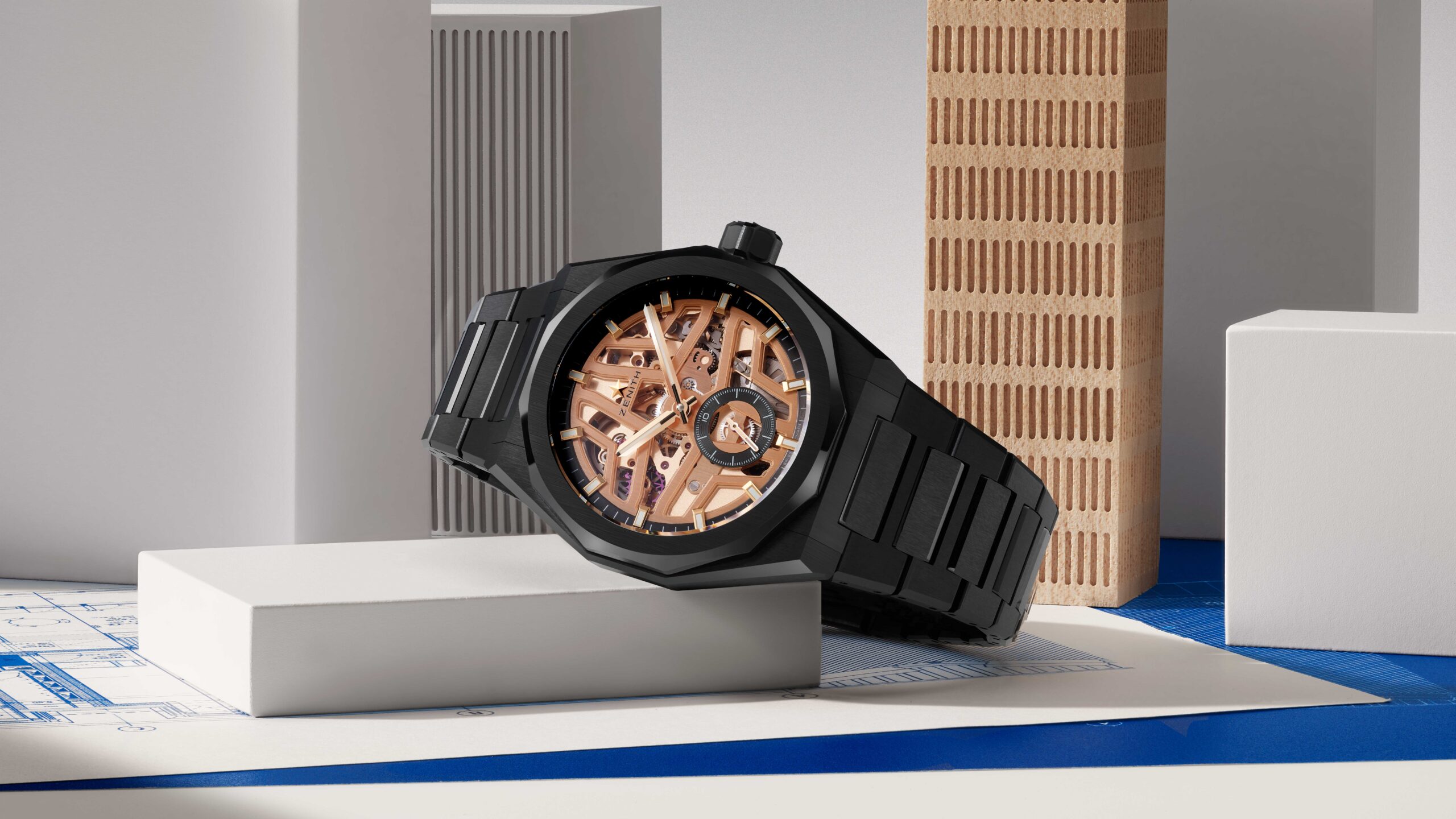
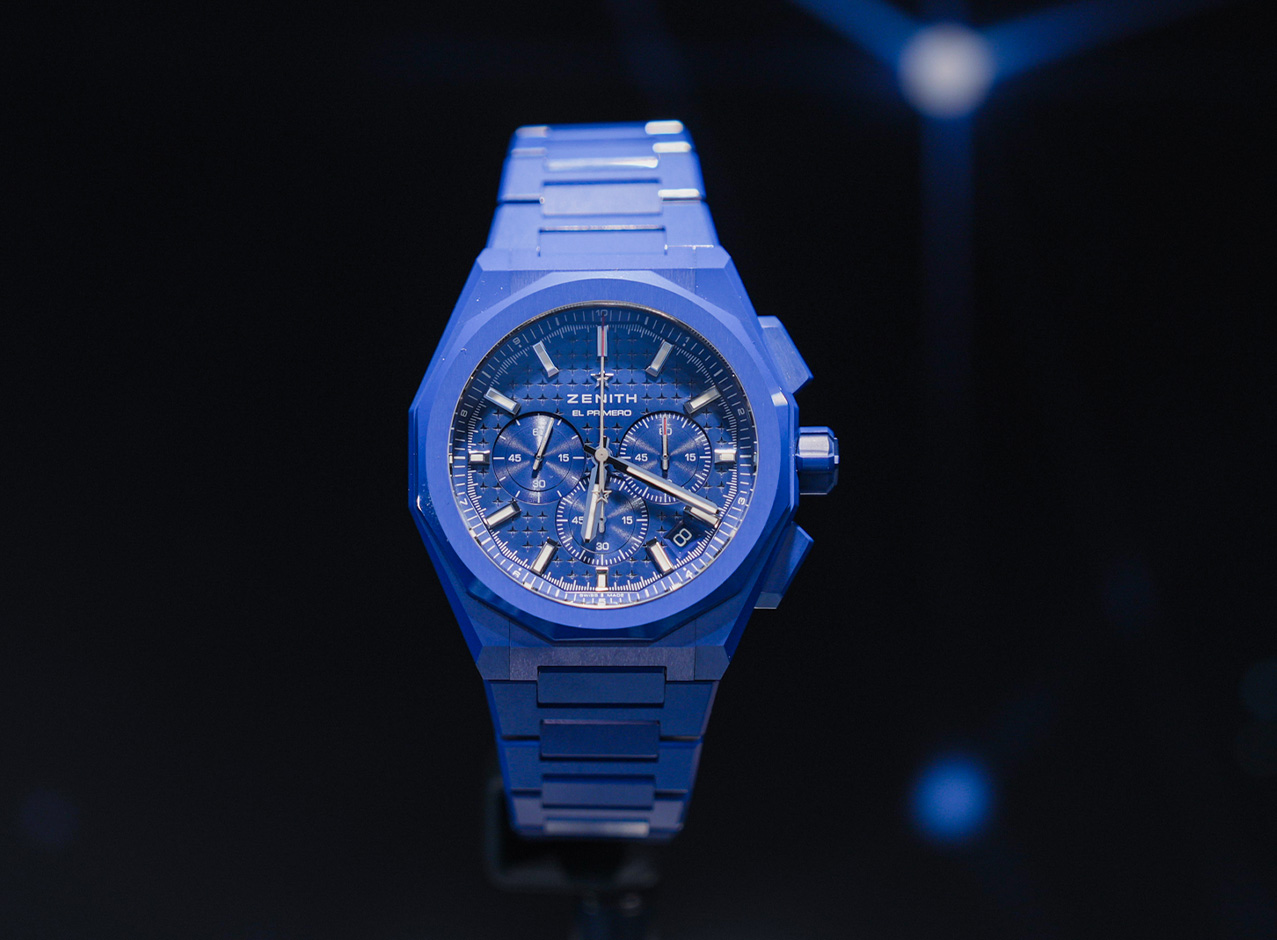
The newest versions of the El Primero power some of Zenith’s 2025 novelties highlighted at Watches and Wonders 2025, notably the 160th anniversary variations of the Pilot Big Date Flyback, DEFY Skyline Chronograph, and Chronomaster Sport. The 42.5 mm Pilot Big Date Flyback 160th Anniversary is driven by the El Primero 3652 calibre, with a patented big date function, while the DEFY Skyline Chronograph 160th Anniversary Edition and the Chronomaster Sport 160th Anniversary Edition are both equipped with the El Primero 3600 movement, capable of measuring 1/10th of a second with a central hand that completes a full rotation every 10 seconds. This trio of watches, now rendered in bright blue ceramic, is a demonstration of what Zenith does best—fitting a highly precise movement into a visually arresting and compelling timepiece. Each of the ceramic anniversary offerings is a limited edition of 160 pieces worldwide.
With the dawn of the 70s, the quartz crisis put a stop to mechanical watchmaking. At Zenith, one remarkably astute man firmly believed that mechanical watches would eventually return to popularity and guaranteed the continuity of the El Primero legacy by safeguarding the tools and machinery used in its creation. His name was Charles Vermot, a workshop manager at Zenith and saviour of the manufacture. His brave and intuitive action allowed Zenith to bridge the gap and become more than just a watchmaker, but also a producer of movements for other renowned brands such as Ebel and Rolex.
As the world slowly became in tune with the new millennium, Zenith introduced a new manufacture movement, the Elite calibre. A mechanism that would become a staple for the brand for years to come, the Elite stood out for its slimness and versatility. This was followed by the creation of the Chronomaste collection, which has become one of Zenith’s core collections, and the main line for the prestigious El Primero movement.
In 1999, Zenith joined the LVMH conglomerate. This move ushered in a new phase for the brand, one offering unrivalled expertise in vertical watchmaking, as well as unlimited opportunities for development and success. It also explored creative watchmaking solutions while developing the El Primero into new models and complications, namely the Chronomaster Open in 2003, as well as the El Primero Tourbillon in 2004, the world’s first high-frequency tourbillon timepiece.
In 2008, a new accomplishment was celebrated by the brand with the patented “Zero G” mechanism, which places the regulating organ in a gyroscopic cage inspired by gimbal-mounted marine chronometer that always keeps the balance wheel in a horizontal position. The “Zero G” mechanism was a groundbreaking undertaking in a long line of patented Zenith innovations, one that would pave the way for more Zenith world-firsts.
In 2010, Zenith conquered the stratosphere with Felix Baumgartner. Wearing a Zenith El Primero Stratos Flyback Striking 10th on his wrist, the Austrian daredevil jumped from a space capsule, and during his freefall, broke the sound barrier with a record speed of 1,342 km an hour. Of note was the fact that his timepiece was still in perfect working condition upon his return to the ground. Following this wonderful feat, Zenith unveiled the DEFY El Primero 21 with a new El Primero calibre beating at a phenomenal rate of 50Hz for an accurate 1/100th of a second chronograph function.
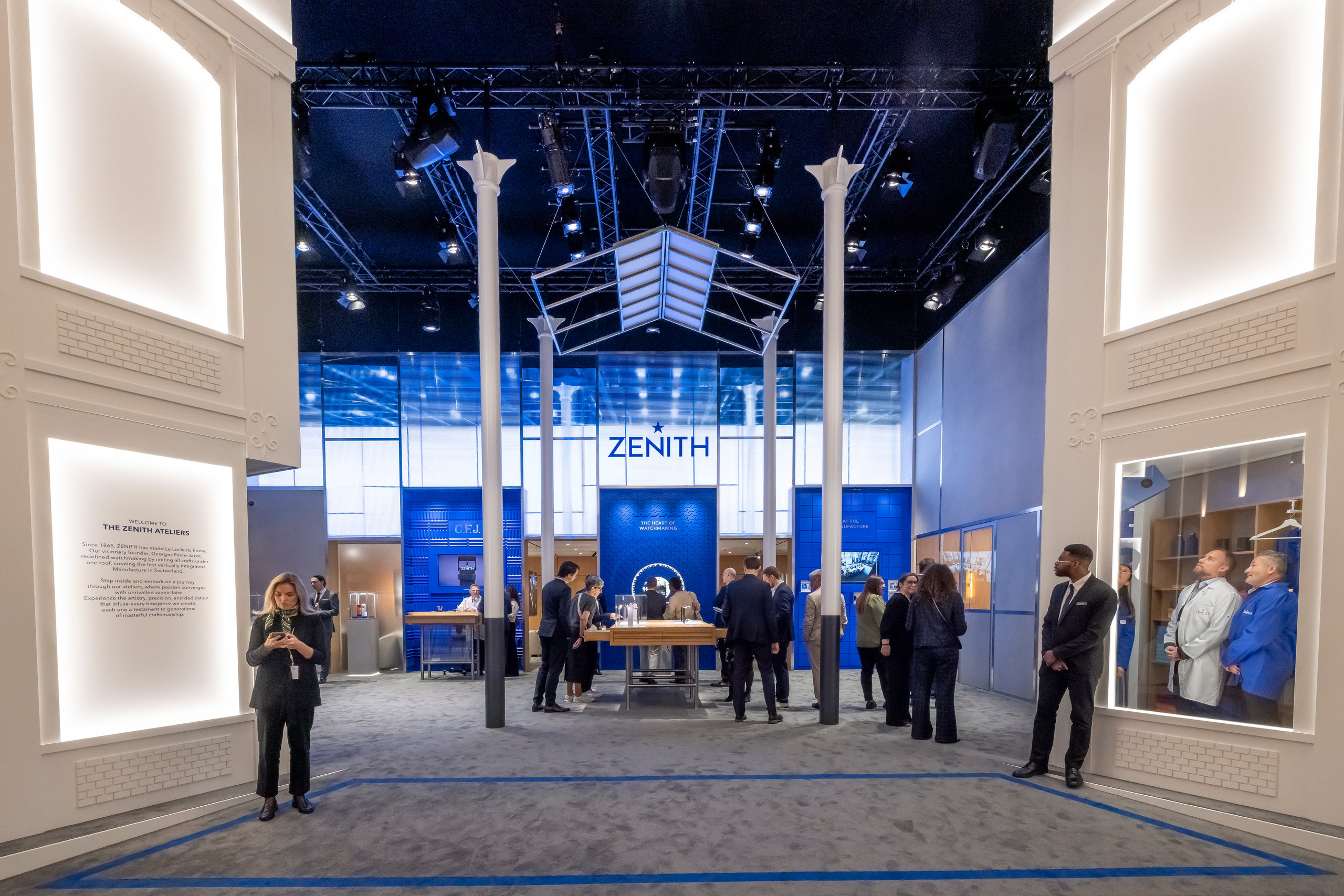
Through the years, Zenith has collected not only accolades and prizes, but also won the hearts of many as it became the first manufacture to open its doors to the public in 2018. In a bid to promote the art of watchmaking, the brand partnered with the Neuchâtel Tourism Office to create an unforgettable experience for those visiting the cradle of Swiss watchmaking. In 2019, with the 50th anniversary of the El Primero, Zenith offered a warranty of 50 years for select anniversary timepieces and limited editions.
A testament to the movement’s robustness and unwavering performance, this unequivocally attests to the brand’s prowess in watchmaking. Taking haute horlogerie further than ever before, in 2020, Zenith aimed to bring the past closer to watch enthusiasts and collectors with Zenith Icons, offering the possibility of acquiring a curated selection of iconic and highly sought-after vintage Zenith models that are sourced, restored and certified by the manufacture. In succeeding years, the brand set new standards with the Chronomaster Sport, DEFY Skyline, and the updated Pilot collection.
After 160 years, Zenith remains a force to be reckoned with in the world of watchmaking. Staying true to its roots while also looking to the future, the esteemed brand not only celebrates its many accomplishments, but also pays tribute to the very men and women who make the impossible possible: watchmakers, artisans, engineers, technicians, and the people behind the scenes who constantly collaborate and are instrumental to the success of the brand. Brought together by the art of watchmaking and the ethos left behind by Georges Favre-Jacot, particularly the vertical integration of all processes, Zenith prevails as a master watchmaker that continues to bring exceptional creations to life.